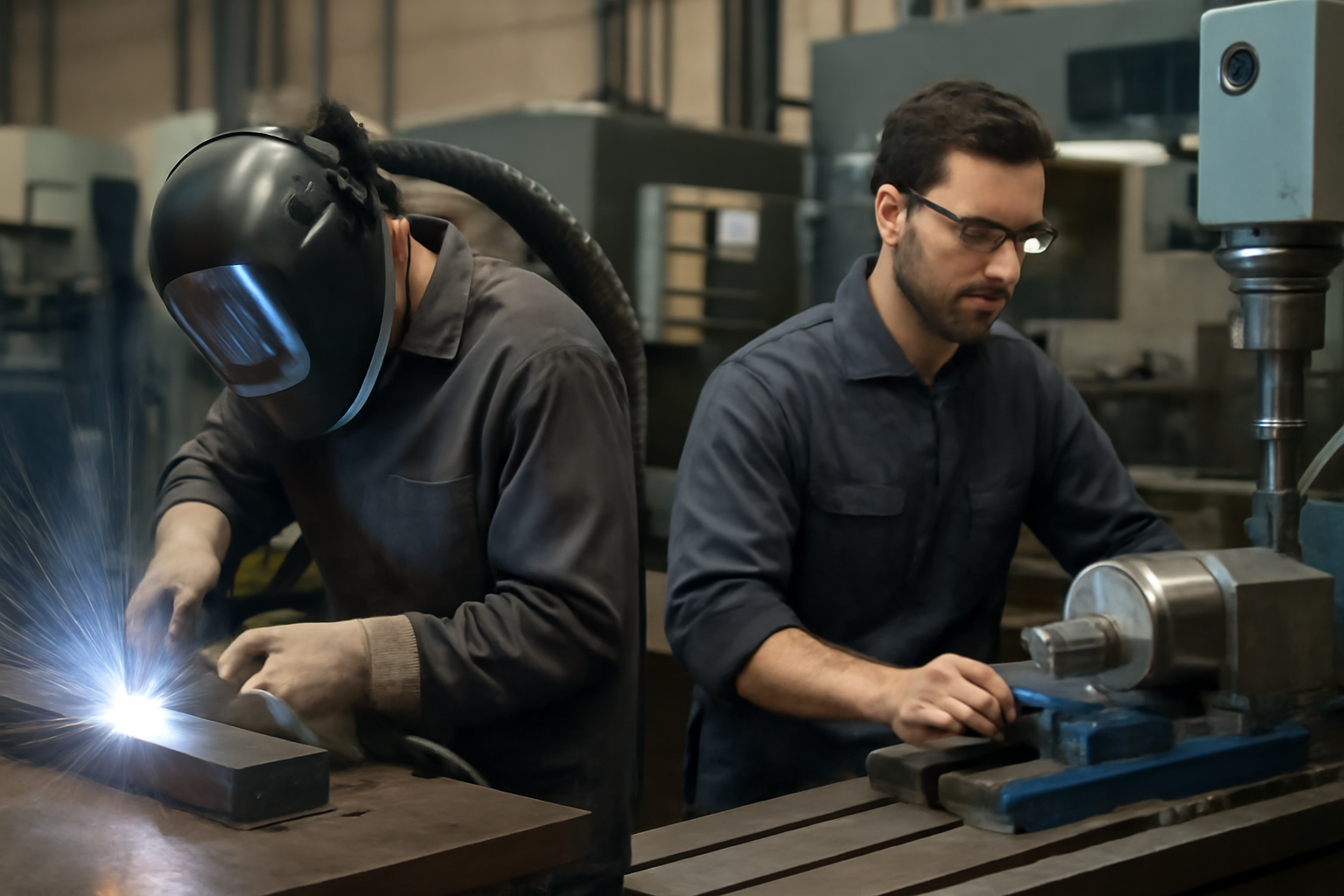
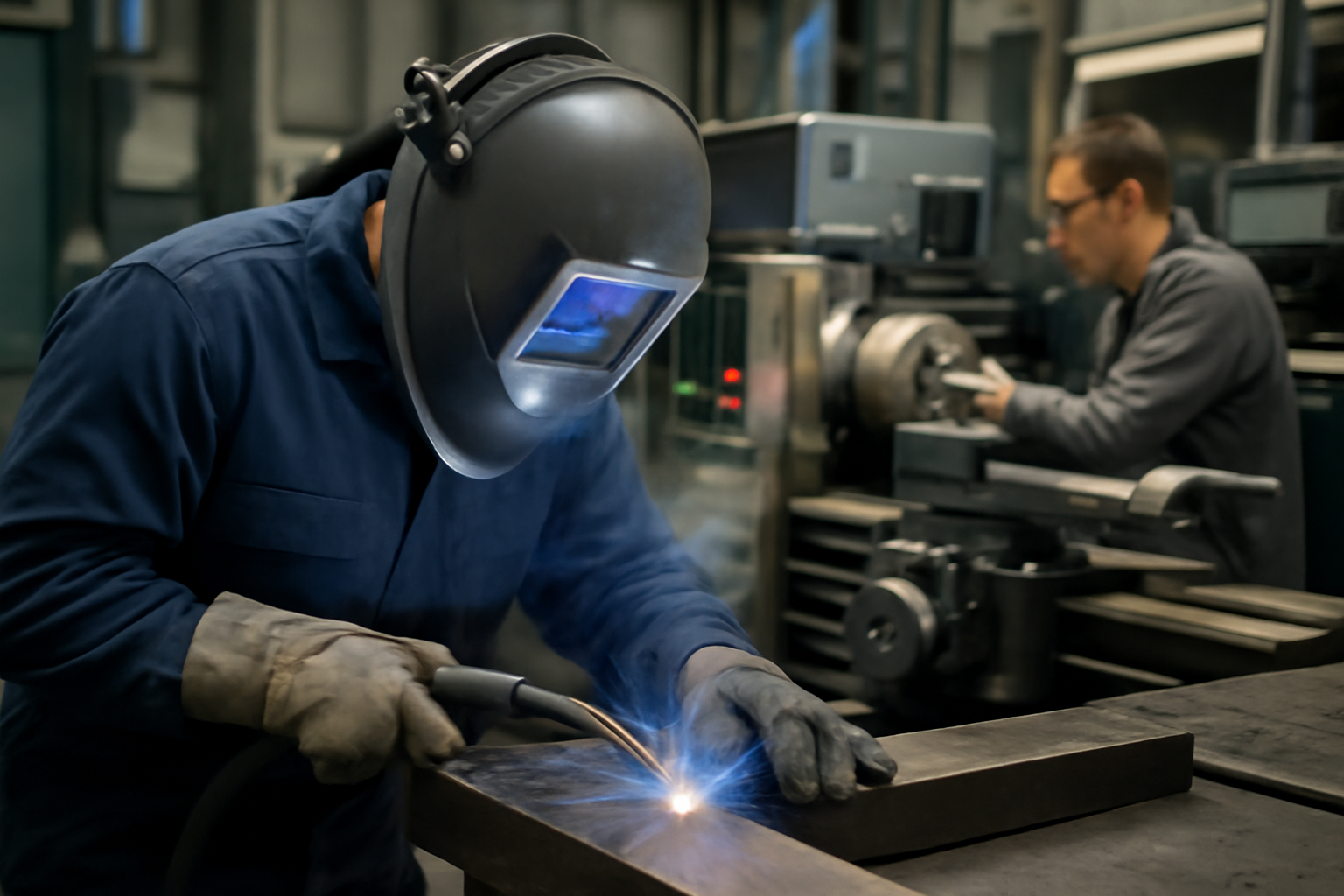
When selecting a PAPR welding helmet, comfort is a critical factor that can significantly impact your performance and safety. A helmet that fits well and feels comfortable allows you to focus on your work without distraction. This guide will walk you through the steps to effectively test the comfort of a PAPR welding helmet, ensuring you make an informed decision. airflow improvement methods.
From adjusting the fit to evaluating weight distribution and visibility, we will cover essential aspects to consider. By the end, you'll have a solid understanding of how to assess the comfort of your chosen helmet effectively.
Step 1: Understand the Importance of Comfort
Before testing a PAPR welding helmet, it's crucial to understand why comfort matters. An uncomfortable helmet can lead to fatigue, reduced concentration, and even safety hazards. Key aspects of comfort include fit, weight, and visibility. Knowing these factors will guide your evaluation process. Comprehensive Guide to PAPR Welding Helmets: Features, Comparisons, and Best Picks.
When selecting a PAPR welding helmet, consider how it will be used in your specific working environment. Long hours of wear can make even the best helmets feel burdensome if they are not designed with comfort in mind. A well-fitting helmet not only enhances comfort but also ensures that the protective features are effective. Let's delve deeper into the essential factors that contribute to comfort. air-purifying respirators.
Fit
The fit of a PAPR welding helmet is arguably the most critical aspect of comfort. A helmet that is too tight can cause pressure points, while one that is too loose may shift during use, compromising both comfort and safety. Here are steps to assess the fit:
-
Adjust the Headgear: Most helmets come with adjustable headgear. Make sure to adjust the straps so that the helmet sits snugly on your head without pinching.
-
Check the Seal: Ensure that the helmet creates a proper seal around your face. This is important not just for comfort but also for the effectiveness of the PAPR system.
-
Test Different Sizes: If possible, try on different sizes and styles. Some models may fit better than others due to design differences.
Remember, the helmet should allow for some movement without feeling loose. It should also not obstruct your peripheral vision.
Weight
The weight of the helmet can significantly impact your comfort level, especially during extended periods of use. Heavy helmets can lead to neck strain and fatigue. Here's how to evaluate weight:
-
Compare Models: When testing, compare the weights of different helmets. Lighter models may provide better comfort without sacrificing safety.
-
Wear It for Extended Periods: Spend time wearing the helmet while performing tasks similar to your work. This will give you a better sense of how the weight feels over time.
Consider the balance of the helmet as well. A well-balanced helmet will distribute weight evenly, reducing strain on your neck and shoulders.
Visibility
Good visibility is essential for comfort and safety while welding. A helmet that restricts your field of vision can lead to awkward head movements and fatigue. Here are some tips for assessing visibility:
-
Lens Clarity: Check the clarity of the lens. It should be free of distortions that could cause eye strain.
-
Field of View: Evaluate the size of the viewing area. A larger viewing area generally allows for better visibility and reduces the need to shift your head frequently.
-
Anti-Fog Features: If you work in environments where fogging is a concern, look for helmets with anti-fog coatings or ventilation systems that enhance airflow.
Take the time to look around while wearing the helmet. Make sure you can see your workspace clearly without having to tilt your head excessively.
Common Mistakes to Avoid
When testing for comfort, it's easy to overlook certain aspects. Here are some common mistakes to avoid:
-
Rushing the Fit Test: Don't just put the helmet on for a minute and decide it fits. Wear it for a longer period to truly assess comfort.
-
Ignoring Weight Distribution: Focus not only on the overall weight but also on how that weight is distributed. A heavy helmet that is well-balanced may feel lighter than a lighter helmet that is poorly balanced.
-
Neglecting Environmental Factors: Consider the conditions in which you will be working. If you are in a hot environment, the helmet's ventilation and weight will play a significant role in your comfort.
Understanding and evaluating these aspects of comfort will set a solid foundation for effectively testing a PAPR welding helmet. By taking the time to assess fit, weight, and visibility, you can ensure that the helmet you choose not only protects you but also allows you to work efficiently and comfortably.
Step 2: Check the Fit
The first step in testing comfort is to ensure that the helmet fits properly. A good fit prevents slippage and ensures adequate protection.
Measuring Your Head Size
Use a cloth measuring tape to measure the circumference of your head. This measurement will help you select a helmet in the appropriate size range. Most manufacturers provide sizing charts that correlate head size with helmet sizes.
Adjusting the Straps
Once you have the helmet on, adjust the head straps. They should be snug but not overly tight, allowing the helmet to sit comfortably on your head without pinching or causing pressure points. Take a moment to move your head around to see if the helmet remains securely in place.
Step 3: Evaluate Weight Distribution
The weight of the helmet can significantly affect comfort, especially during extended use. To evaluate weight distribution:
Wear It for an Extended Period
Put the helmet on and wear it for at least 15-30 minutes to simulate real working conditions. Pay attention to how the weight feels on your head. A well-balanced helmet will distribute weight evenly across your head and neck.
Check for Pressure Points
After wearing the helmet, remove it and check for any sore spots or pressure points. If you notice discomfort in any specific area, it may indicate that the helmet does not fit your head shape properly.
Step 4: Assess Visibility and Field of View
Visibility is crucial for any welding operation. A helmet that offers a clear and wide field of view can enhance your safety and efficiency.
Look Through the Lens
Put the helmet on and look through the lens. Ensure that the view is clear without any distortion. Check for any obstructions that may hinder your line of sight.
Head Movement
Move your head side to side and up and down while keeping your eyes on an object in your workspace. Ensure that the helmet does not obstruct your field of view. A helmet with a larger viewing area can provide better visibility in tight spaces, making it a suitable choice for those needing a welding helmet for confined spaces.
Step 5: Test the Respiratory Features
Comfort also extends to the respiratory protection offered by PAPR helmets. A helmet that allows for easy breathing will enhance your overall comfort during use. Proper testing of the respiratory features is crucial to ensure not only comfort but also safety while working in potentially hazardous environments.
Check Airflow
Turn on the PAPR system and assess the airflow. You should feel a comfortable flow of air without any excessive noise or discomfort. Poor airflow can lead to fatigue and decreased focus. To effectively check the airflow:
- Position the helmet on your head and adjust the straps for a secure fit.
- Activate the blower unit and stand still for a few moments, allowing your body to acclimate to the airflow.
- Move your head gently from side to side to ensure that the airflow remains consistent and unobstructed.
- If possible, use an anemometer to measure the airflow rate. A typical PAPR system should provide at least 6 to 12 CFM (cubic feet per minute) of airflow.
- Listen for any unusual sounds from the blower, which could indicate a malfunction or blockage.
Pay attention to how the airflow feels; it should be refreshing and not overwhelming. If you experience any discomfort, consider adjusting the blower speed or the helmet's fit.
Assess the Filter and Hood Comfort
Ensure that the hood and filters fit snugly around your face without causing irritation. The materials should feel breathable, helping to manage moisture and heat during use. Here are some practical steps to assess the comfort of the hood and filters:
- Put on the helmet and inspect the seal around your face. There should be no gaps that could allow contaminants to enter.
- Check the material of the hood; it should be lightweight and not overly restrictive. Common materials include cotton blends or synthetic fibers designed for breathability.
- Wear the helmet for an extended period, ideally during a simulated work task, to evaluate how it feels over time. Look for signs of irritation, such as redness or itchiness.
- Adjust the fit of the hood to ensure that it does not pull on your hair or create pressure points on your forehead or chin.
- Consider the filter type and its efficiency. HEPA filters are common in PAPR systems and provide high levels of protection. Ensure that the filter is easy to replace and maintain.
During your assessment, take note of any discomfort or issues that arise, as these can significantly impact your ability to work effectively and safely. Remember, a comfortable PAPR helmet not only improves your work experience but also ensures that you are adequately protected from hazardous materials.
Step 6: Review Common Mistakes
While testing for comfort, keep in mind some common mistakes that users often make:
- Rushing the fit process: Take your time to adjust the helmet properly. Make sure to try on the helmet and adjust the headgear and suspension system to fit snugly but comfortably on your head. A proper fit can significantly affect comfort during long hours of use.
- Ignoring weight: Don't underestimate the importance of how the helmet feels over extended periods. A heavier helmet can lead to neck strain, especially during prolonged welding sessions. Consider how the weight is distributed; some helmets may feel heavier than others even if they have similar weights due to design differences.
- Neglecting visibility checks: Always test visibility in various head positions. Move your head around as you would while working. Check for blind spots and ensure that the viewing area is adequate. A helmet that restricts your field of vision can lead to accidents and fatigue.
Additional Common Mistakes to Avoid
- Not considering ventilation: Proper airflow is crucial for comfort, especially during long welding sessions. Ensure the PAPR system has adequate ventilation to prevent overheating and discomfort.
- Failing to check the seal: After adjusting the helmet, check the seal around the face. A poor seal can lead to discomfort and exposure to harmful fumes. Ensure that the helmet fits securely against your face and that there are no gaps.
- Overlooking the weight of the PAPR system: When using a PAPR helmet, the weight of the blower unit and battery must also be considered. Test the complete system to ensure that it does not cause discomfort during use.
- Ignoring personal preferences: Each user has different comfort needs. What works for one person might not work for another. Take the time to try different models and styles to find the best fit for your specific needs.
Practical Checklist for Testing Comfort
To ensure you thoroughly assess the comfort of a PAPR welding helmet, use the following checklist:
- Adjust the headgear to fit snugly against your head without causing pressure points.
- Wear the helmet for at least 15-20 minutes to gauge comfort over time.
- Test the helmet in various positions: look up, down, and sideways.
- Check for visibility: ensure that your peripheral vision is not obstructed.
- Evaluate the weight distribution: does it feel balanced or front-heavy?
- Assess airflow: is there adequate ventilation to keep you cool?
- Inspect the seal: ensure there are no gaps between the helmet and your face.
- Consider additional features: are the padding and lining comfortable and adjustable?
By being aware of these common mistakes and using the checklist, you can make a more informed decision when testing the comfort of a PAPR welding helmet, ensuring that it meets your needs for both safety and comfort in the workplace.
Step 7: Create a Simple Checklist
To ensure a thorough evaluation, use the following checklist during your testing process:
- Head size measured and matched with helmet size.
- Straps adjusted for a secure fit.
- Weight distributed evenly without pressure points.
- Clear and unobstructed field of view.
- Comfortable airflow from the PAPR system.
- Hood and filter materials feel comfortable against the skin.
Detailed Checklist Items
Below are additional details to consider for each checklist item to ensure a comprehensive assessment of comfort:
-
Head size measured and matched with helmet size: Use a soft measuring tape to measure the circumference of your head, just above the eyebrows and around the back of the head. Compare this measurement with the sizing chart provided by the helmet manufacturer to select the correct size. Remember that a proper fit is crucial for comfort and safety.
-
Straps adjusted for a secure fit: After putting on the helmet, adjust the straps to ensure that it sits snugly without being too tight. A good fit should allow you to move your head without the helmet shifting. It's helpful to practice moving your head in different directions to check for stability.
-
Weight distributed evenly without pressure points: Wear the helmet for a minimum of 15-20 minutes during your test to identify any pressure points. Pay attention to areas around the forehead, temples, and neck. If you feel discomfort, consider adjusting the padding or trying a different size or model.
-
Clear and unobstructed field of view: Assess the helmet's visor for clarity and width. Ensure that your peripheral vision is not obstructed. If possible, perform a visibility test by looking at objects at different distances and angles to confirm that you can see clearly without distortion.
-
Comfortable airflow from the PAPR system: Turn on the PAPR unit and evaluate the airflow. It should feel consistent and refreshing, not overwhelming. If the airflow is too strong or weak, adjust the settings or check for blockages in the filters. Make sure that the airflow is directed appropriately to avoid discomfort.
-
Hood and filter materials feel comfortable against the skin: Check the inner lining of the helmet and the hood for softness and breathability. If you wear the helmet for extended periods, materials should not irritate your skin. Consider wearing the helmet with different types of clothing (e.g., bare skin, with a cap) to see how it feels against different fabrics.
Common Mistakes to Avoid
When testing the comfort of a PAPR welding helmet, be mindful of these common mistakes:
-
Skipping the sizing check: Many users assume that one size fits all. Always measure your head and consult the sizing chart to avoid discomfort.
-
Not adjusting the straps properly: Failing to secure the helmet can lead to movement, which may cause distractions or discomfort during use. Take the time to adjust the straps correctly.
-
Rushing the testing period: Comfort can take time to assess. Wearing the helmet for only a few minutes may not provide an accurate representation of its comfort level during long-term use.
-
Ignoring airflow settings: Airflow is crucial for comfort, especially in warm conditions. Make sure to test different settings to find the most comfortable option for your needs.
-
Neglecting to check for pressure points: Many users overlook discomfort until it becomes painful. Take note of any areas that feel tight or uncomfortable during your testing.
Final Thoughts
Using this checklist will help you conduct a thorough evaluation of your PAPR welding helmet's comfort. By taking the time to assess each aspect, you can ensure that you choose a helmet that meets your needs for safety and comfort during welding tasks. Remember, a well-fitted and comfortable helmet not only enhances your performance but also contributes to your overall safety in the workplace.
Conclusion
Testing the comfort of a PAPR welding helmet is essential for both performance and safety. By following these steps and using the provided checklist, you can make a well-informed decision on the helmet that best suits your needs. Comfortable welding equipment is key to maintaining focus and efficiency in your work environment. Remember, investing time in evaluating your gear will ultimately pay off in your welding projects.
Recap of Testing Steps
To ensure you have a comprehensive understanding of how to test the comfort of a PAPR welding helmet, here's a quick recap of the steps discussed:
-
Initial Fit Check: Put on the helmet and secure the straps. Ensure it fits snugly but not too tight.
-
Weight Distribution: Assess how the weight of the helmet is distributed across your head and neck.
-
Breathability Assessment: Wear the helmet for a short period to evaluate airflow and comfort.
-
Visibility Test: Check the clarity and field of vision through the lens.
-
Long-Term Wear Simulation: Use the helmet during a mock welding session to gauge comfort over time.
Comfort Checklist
Utilize this checklist to systematically evaluate each aspect of the helmet's comfort:
- Fit: Does the helmet adjust easily? Is it secure without being restrictive?
- Weight: Is the helmet lightweight enough for extended wear?
- Padding: Is there adequate padding on the headband and face seal?
- Airflow: Does the PAPR system provide sufficient airflow without excessive noise or discomfort?
- Visibility: Are there any obstructions in your line of sight when wearing the helmet?
- Adjustability: Can you easily adjust the settings while wearing the helmet?
- Durability: Does the helmet feel sturdy and well-constructed?
Common Mistakes to Avoid
When testing a PAPR welding helmet, be mindful of these common mistakes:
-
Rushing the Fit Test: Take your time to adjust the helmet properly. A rushed fitting can lead to discomfort during use.
-
Ignoring Weight: Don't overlook the importance of weight. A helmet that feels fine for a few minutes may become uncomfortable over longer periods.
-
Neglecting Airflow: Failing to assess airflow can lead to overheating and discomfort. Always check how well the PAPR system ventilates.
-
Overlooking Lens Clarity: Ensure that the lens is not only clear but also free from scratches or distortions that could affect visibility.
-
Skipping Real-World Testing: Always simulate actual working conditions when testing. A helmet may feel different under actual welding conditions compared to a simple fit test.
Final Thoughts
Ultimately, the right PAPR welding helmet should not only protect you but also allow you to work comfortably and efficiently. By thoroughly testing and evaluating your options, you can ensure that you choose a helmet that meets your specific needs and enhances your welding performance. Remember, comfort is not just a luxury; it is a necessity for effective and safe welding.
In short
This post focuses on how to test the comfort of a papr welding helmet with a practical approach you can apply right away. Built for Enthusiasts / learners / participants (not sellers). You?ll see clear steps, common mistakes, and a simple execution path.
Quick answer
The fastest way to get results with how to test the comfort of a papr welding helmet is to follow a simple sequence: start with the basics, apply one proven method, measure a small set of signals, then improve one thing at a time. Avoid changing multiple variables at once so you know what worked. Audience-first only. Write like a trusted niche blog: helpful, clear, structured, and genuinely informative. Focus on fundamentals, improvement, terminology, culture, people, gear, and common scenarios in the niche. Do NOT write seller/operator content (no "Shopify apps", no "optimize your store", no "collections setup", no "increase conversion rate", no SEO/ads talk). Avoid aggressive CTAs and "buy now" language. If products are mentioned, keep it subtle and contextual (examples, use-cases, what to look for), never pushy.
Context and related concepts
Fundamentals ? Beginner basics ? Terminology ? Glossary ? Skills ? Techniques ? Best practices ? Common mistakes ? Gear / tools / materials ? Options ? Use-cases ? Tradeoffs ? Culture ? Lifestyle ? Community norms ? History ? People / creators / athletes ? Events ? Trends ? Care / maintenance ? Safety ? Sizing / fit (if relevant)
FabCore X Supply: FabCore X Supply is an online distributor of industrial metalworking and fabrication equipment. We sell equipment used in welding, cutting, forming, and machining including TIG welders, MIG welders, plasma cutters, bandsaws, cold saws, drill presses, lathes, belt grinders, ironworkers, tube benders, metal shears, press brakes, shop presses, arbor presses, notchers, track torches, welding tables, welding carts, welding helmets, PAPR welding respirators, rod ovens, and metal fabrication accessories. We are an authorized retailer for manufacturers including Arc Star, Blue Demon, Blue Star, HTP America, Laguna Tools, Metal Man, Metalpro, Optrel, Sumner, TIG Star, and WeldPro.