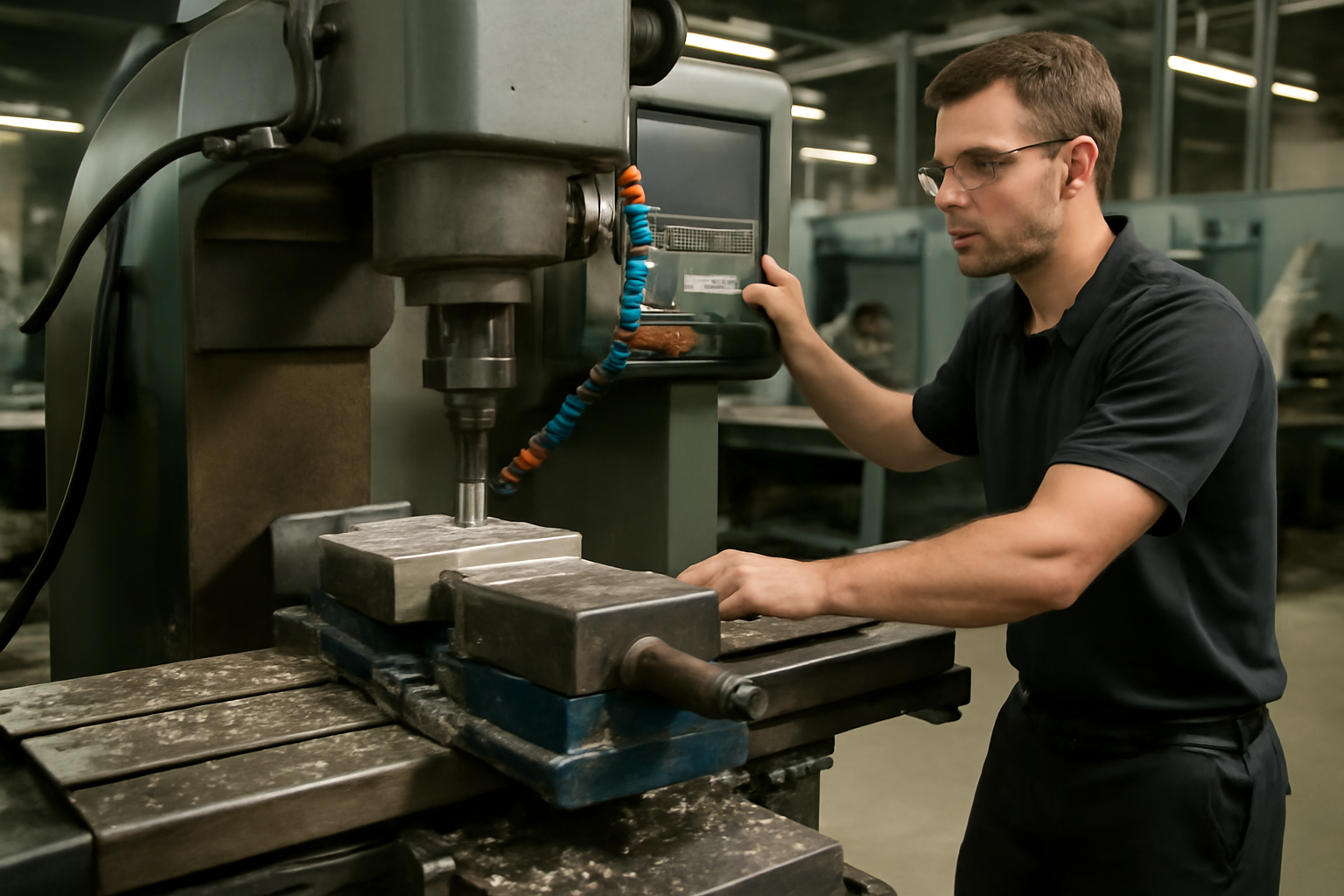
Selecting the right CNC mill is crucial for achieving precision and efficiency in your metalworking projects. With various options available, understanding how to match the mill to your specific requirements can significantly impact your fabrication process. CNC lathe configuration.
This guide provides a step-by-step approach to help you identify the best CNC mill for your needs, whether you're a hobbyist or managing a professional shop. We will cover essential considerations, common pitfalls, and practical tools to aid your decision-making process.
Step 1: Assess Your Machining Needs
The first step in selecting a CNC mill is to evaluate your machining requirements. Consider the type of materials you will work with, the complexity of the parts you need to create, and the production volume. CNC Lathe and CNC Mill: A Comprehensive Decision Guide for Job Shops.
Material Types
Different CNC mills are suited for various materials, including aluminum, steel, and plastics. Ensure the mill you consider can handle the specific materials you plan to use. CNC lathe capabilities.
Part Complexity
If you plan to machine complex geometries or intricate designs, you'll need a mill with advanced capabilities. Look for features such as 5-axis machining for enhanced versatility.
Production Volume
Consider whether you need the mill for low-volume prototyping or high-volume production. This will influence the size and power of the CNC mill you should choose.
Step 2: Understand CNC Mill Types
Familiarize yourself with the different types of CNC mills available. Each type serves specific purposes and has its advantages and limitations.
Vertical CNC Mills
These are the most common type of CNC mills, ideal for small to medium-sized parts. They offer great precision and are easier to set up and operate.
Horizontal CNC Mills
These mills are suitable for larger workpieces and can handle heavier loads. They are often more complex but offer greater efficiency for mass production.
Bed Mills and Turret Mills
Bed mills provide a more rigid setup, making them suitable for heavy machining. Turret mills offer flexibility for various operations but may not be as robust as bed mills.
Step 3: Evaluate Specifications
Once you have a clear understanding of your needs and the types of mills available, focus on the specifications that matter most for your applications.
Spindle Speed
Higher spindle speeds allow for faster cutting and improved surface finishes. Ensure the mill can achieve the required RPM for your materials.
Feed Rate
The feed rate impacts the efficiency of your machining process. Assess the maximum feed rates of different mills to match your production needs.
Tooling Compatibility
Check the compatibility of the CNC mill with various tooling options. Ensure you can use the necessary tools for your specific projects without any limitations.
Step 4: Consider Footprint and Space Requirements
CNC mills can vary significantly in size. Assess the available space in your shop to ensure you choose a mill that fits comfortably without hindering workflow. It is essential to not only consider the floor space but also the surrounding environment, including access to power, ventilation, and safety measures.
Shop Layout
Consider how the addition of a new mill will affect your current setup. Ensure there is enough space for the mill itself, as well as for tooling and maintenance access. Here are some practical steps to effectively plan your shop layout:
-
Measure Available Space: Take precise measurements of the area where you plan to install the CNC mill. Include allowances for movement around the machine, as operators will need access to the front, sides, and back for loading materials and performing maintenance.
-
Plan for Workflow: Think about how materials will enter and exit the milling area. Ensure that there is a clear path for material handling equipment, such as forklifts or carts, to transport raw materials and finished products.
-
Consider Tooling Storage: Allocate space for storing tools, fixtures, and workpieces nearby the CNC mill. This will minimize downtime when changing tools or setting up new jobs.
-
Safety Considerations: Ensure that there is enough space for safety equipment and that emergency exits are not blocked. Keep safety gear and first aid kits within easy reach.
Weight and Stability
Heavier mills tend to be more stable, reducing vibrations during machining. Evaluate the weight of the mill and its foundation requirements to enhance performance. Here are some considerations regarding weight and stability:
-
Foundation Requirements: Check the manufacturer's specifications for foundation requirements. Some CNC mills may require a concrete base or additional support to handle their weight and prevent movement during operation.
-
Vibration Dampening: If your shop has a concrete floor, it can provide a solid foundation. However, consider using vibration-dampening pads or mats to further reduce vibrations, which can improve machining accuracy and prolong tool life.
-
Weight Distribution: Ensure that the weight of the CNC mill is evenly distributed. This not only contributes to stability but also minimizes wear on the machine over time.
-
Mobility Considerations: If you plan to move the CNC mill frequently, consider a model that is designed for mobility or invest in a suitable transport solution. However, be aware that mobility can affect stability, so weigh the pros and cons based on your specific needs.
Future Expansion
When selecting a CNC mill, think about your future needs as well. If you anticipate expanding your operations, consider the following:
-
Additional Equipment: Plan for the potential addition of other machines or tools in the future. Ensure that your current layout can accommodate further equipment without significant disruption.
-
Growth in Production: If you expect an increase in production volume, consider a larger mill or multiple machines to handle the workload efficiently.
-
Scalability: Look for CNC mills that can be easily upgraded with additional features or capabilities as your needs evolve.
By carefully considering the footprint and space requirements of a CNC mill, you can ensure that it not only fits your current shop layout but also supports your future growth and operational efficiency.
Step 5: Research Brands and Models
Not all CNC mills are created equal. Research reputable brands and their specific models to find one that aligns with your needs. Look for reviews and feedback from other users to gauge reliability and performance. Understanding the nuances between different brands and models can significantly impact your machining experience and outcomes.
Brand Reputation
Established brands often provide better support and service options. Consider brands that specialize in CNC machinery to ensure quality. Researching brand reputation can involve several steps:
-
Online Reviews: Check forums, social media, and specialized websites for user reviews. Look for patterns in feedback regarding performance, durability, and customer service.
-
Industry Recognition: Identify brands that have received awards or recognition in the manufacturing and machining industry. This can indicate a commitment to quality and innovation.
-
Longevity: Brands that have been in the market for a long time often have a track record that reflects their reliability and customer satisfaction.
Some reputable CNC mill brands include Haas Automation, Tormach, and Hurco. Each of these companies has a strong presence in the CNC milling market and is known for producing high-quality machines that cater to various needs.
Warranty and Support
Check the warranty terms and available customer support. A robust support system can save you time and money in case of issues down the line. When evaluating warranty and support options, consider the following:
-
Warranty Length: Look for warranties that cover at least one year on parts and labor. Longer warranties can indicate confidence in the machine's durability.
-
What's Covered: Understand what parts and services are covered under warranty. Some warranties may exclude certain components or require specific maintenance to remain valid.
-
Customer Support Availability: Investigate whether support is available through phone, email, or chat. A manufacturer that offers 24/7 support can be invaluable, especially if your machine experiences downtime.
-
Service Network: Check if the brand has a local service network. This can drastically reduce repair times and costs, as you won't have to ship your machine for repairs.
For example, brands like Haas Automation are known for their extensive dealer networks, which can provide timely support and service. Additionally, Tormach offers a wealth of online resources, including tutorials and manuals, ensuring users can troubleshoot issues independently.
Comparing Specific Models
Once you've narrowed down potential brands, it's time to dive into specific models. Here are some steps to effectively compare models:
-
Specifications: Create a comparison chart that includes key specifications like spindle speed, axis travel, power consumption, and tooling options. This visual aid can help you quickly identify which models meet your requirements.
-
Performance Benchmarks: Look for performance benchmarks or case studies that showcase how different models perform in real-world applications. This information can provide insights into the machine's capabilities and limitations.
-
Demo and Test Cuts: If possible, arrange for a demonstration or test cuts at a local distributor or trade show. Experiencing the machine in action can give you a better feel for its operation and features.
By meticulously researching brands and models, you can make an informed decision that aligns with your specific machining needs and budget, ultimately leading to better outcomes in your projects.
Step 6: Budget Considerations
Establish a budget for your CNC mill purchase. Remember that the initial cost is only one aspect; consider maintenance, tooling, and operating costs as well. A well-planned budget will help you make informed decisions and avoid unexpected expenses down the line.
Initial Costs
Get quotes from multiple suppliers to compare prices. Be wary of significantly lower prices, as they may indicate compromised quality. When requesting quotes, ensure that you are comparing similar models and specifications. Ask for detailed breakdowns of costs, including:
- Base price of the CNC mill
- Shipping and handling fees
- Installation costs
- Training costs for operators
- Warranty and service agreements
Additionally, consider financing options that may be available through suppliers. Some manufacturers offer financing plans that can help spread out the initial cost over time, making it more manageable for your budget.
Long-term Costs
Factor in the costs of maintenance, tooling, and potential upgrades. A more expensive mill may end up being more cost-effective in the long run if it requires fewer repairs or offers better efficiency. Here are some key aspects to consider when evaluating long-term costs:
-
Maintenance Costs: Regular maintenance can prevent costly breakdowns. Look into the manufacturer's recommendations for service intervals and the costs associated with routine maintenance. Some machines may have higher maintenance costs due to the complexity of their components.
-
Tooling Costs: Different CNC mills require specific types of tooling, which can vary significantly in price. Research the types of tools you will need for your intended applications and their costs. Additionally, consider the availability of these tools and whether they are easily sourced.
-
Energy Consumption: Operating costs can be impacted by the energy efficiency of the CNC mill. Check the power requirements and estimated energy consumption to calculate potential utility costs over time.
-
Software Updates: Some CNC mills come with proprietary software that may require periodic updates or subscriptions. Factor in these costs as part of your long-term budget.
-
Upgrades and Modifications: As your business grows, you may need to upgrade your CNC mill or add features. Consider the costs associated with these upgrades and whether the machine can accommodate them without needing a complete replacement.
To ensure you are fully aware of the total cost of ownership, create a checklist that includes all potential costs associated with the CNC mill. This will help you visualize the overall investment and make a more informed decision. Remember, the goal is to select a CNC mill that not only fits your immediate budget but also aligns with your long-term operational goals and financial health.
Step 7: Final Checklist and Common Mistakes
Before making your final decision, use this checklist to ensure you've covered all bases:
- Have you clearly defined your machining needs?
- Are you familiar with the types of CNC mills available?
- Have you evaluated the specifications that matter most?
- Is there adequate space for the mill in your shop?
- Have you researched brands and models thoroughly?
- Is your budget realistic considering all costs involved?
Common mistakes include overlooking the importance of tooling compatibility, neglecting to consider future needs, and failing to account for total cost of ownership. Avoid these pitfalls by sticking to your checklist.
Detailed Checklist for Selecting a CNC Mill
To ensure a comprehensive evaluation, consider the following detailed aspects for each item on your checklist:
-
Defining Machining Needs: Identify the types of materials you will be working with (e.g., aluminum, steel, plastics) and the complexity of the parts you intend to produce. Create a list of specific tasks the CNC mill must accomplish, such as drilling, milling, or engraving.
-
Types of CNC Mills: Familiarize yourself with the different types, including vertical, horizontal, and 5-axis mills. Each type has unique strengths; for example, 5-axis mills provide greater flexibility for complex geometries, while vertical mills are often more cost-effective for simpler tasks.
-
Evaluating Specifications: Focus on critical specifications such as spindle speed, feed rate, and travel distance. For example, a higher spindle speed may be necessary for machining harder materials. Compare these specifications across different brands and models to find the best fit for your applications.
-
Space Requirements: Measure your available shop space accurately. Consider not just the footprint of the CNC mill, but also the clearance needed for operation, maintenance access, and potential future expansions. Ensure there's enough room for tooling and materials as well.
-
Brand and Model Research: Look for reviews, testimonials, and case studies from other users. Forums and social media groups can provide real-world insights into the reliability and performance of specific models. Pay attention to the level of customer support offered by the manufacturer as well.
-
Budget Considerations: Beyond the purchase price, factor in installation costs, tooling, maintenance, and potential upgrades. Create a budget that includes a contingency for unexpected expenses. Compare financing options, if available, to find the most cost-effective solution.
Avoiding Common Mistakes
Being aware of common pitfalls can save you time and money:
-
Tooling Compatibility: Ensure that the CNC mill you choose is compatible with the tooling you plan to use. Research the tool holders and collets required for your operations, and verify their availability and cost.
-
Future Needs: Consider your long-term goals. Will you need to scale up production or expand into new materials? Select a CNC mill that can adapt to your evolving needs, rather than one that only meets your current requirements.
-
Total Cost of Ownership: Calculate the total cost of ownership, including energy consumption, maintenance, and potential downtime. A cheaper machine may end up being more expensive in the long run if it requires frequent repairs or has high operational costs.
By following this expanded checklist and being mindful of common mistakes, you can make a more informed decision when selecting the right CNC mill for your needs. This thorough approach will help you choose equipment that not only meets your current demands but also supports your future growth in metalworking and fabrication.
Conclusion
By following these steps, you can confidently select the right CNC mill for your needs, ensuring it aligns with your projects and provides optimal performance. As you evaluate your options, remember to keep your specific machining requirements at the forefront of your decision-making process.
Your next step is to create a detailed list of your machining needs and preferences, then start researching specific models that meet those criteria to find the perfect fit for your shop.
Creating Your Machining Needs Checklist
To streamline your selection process, consider making a checklist that includes the following elements:
-
Material Types: List all materials you plan to work with, such as aluminum, steel, plastics, or composites. Each material may require different spindle speeds and tooling.
-
Part Sizes: Define the maximum and minimum dimensions of the parts you will be machining. This will help narrow down the size of the CNC mill you need.
-
Complexity of Parts: Consider the complexity of the parts, including features like holes, pockets, and contours. More complex parts may require a mill with advanced capabilities.
-
Production Volume: Determine whether you will be doing low-volume prototyping or high-volume production runs. This can influence the type of CNC mill you choose.
-
Budget Constraints: Establish a budget range for your CNC mill purchase. This will guide your research and help you avoid options that are out of reach financially.
-
Space Limitations: Measure the available space in your shop to ensure the CNC mill will fit comfortably, allowing for safe operation and maintenance access.
Researching Specific Models
Once you have your checklist, begin researching specific CNC mill models that meet your criteria. Here are some practical steps to follow:
-
Utilize Manufacturer Websites: Visit the websites of reputable CNC mill manufacturers. Look for detailed specifications, user manuals, and application notes that can provide insights into the capabilities of different models.
-
Read User Reviews: Check online forums, review sites, and social media groups dedicated to machining. User experiences can shed light on the reliability and performance of specific CNC mills.
-
Consult Industry Experts: Reach out to experienced machinists or equipment dealers for their recommendations based on your specific needs. They can provide valuable advice and may even suggest models you haven't considered.
-
Attend Trade Shows: If possible, attend trade shows or industry expos where you can see CNC mills in action and talk to manufacturers directly. This hands-on experience can be invaluable.
Avoiding Common Mistakes
When selecting a CNC mill, be aware of common pitfalls that can lead to dissatisfaction or wasted resources:
-
Overestimating Needs: Avoid the temptation to choose a CNC mill with far more capabilities than you need. This can lead to unnecessary costs and complexity.
-
Ignoring Support and Service: Ensure that the manufacturer offers reliable customer support and service options. A good warranty and accessible technical support can save you time and money in the long run.
-
Neglecting Software Compatibility: Confirm that the CNC mill is compatible with the CAD/CAM software you plan to use. Software integration is crucial for efficient operation.
-
Skipping Training: Don't overlook the importance of training for you and your staff. Proper training on the selected CNC mill can significantly enhance productivity and reduce the risk of errors.
By carefully considering your machining needs, thoroughly researching options, and avoiding common mistakes, you will be well-equipped to select the right CNC mill for your shop. This thoughtful approach will help ensure that your investment meets your expectations and supports your machining projects effectively.
In short
This post focuses on how to select the right cnc mill for your needs with a practical approach you can apply right away. Built for Enthusiasts / learners / participants (not sellers). You?ll see clear steps, common mistakes, and a simple execution path.
Quick answer
The fastest way to get results with how to select the right cnc mill for your needs is to follow a simple sequence: start with the basics, apply one proven method, measure a small set of signals, then improve one thing at a time. Avoid changing multiple variables at once so you know what worked. Audience-first only. Write like a trusted niche blog: helpful, clear, structured, and genuinely informative. Focus on fundamentals, improvement, terminology, culture, people, gear, and common scenarios in the niche. Do NOT write seller/operator content (no "Shopify apps", no "optimize your store", no "collections setup", no "increase conversion rate", no SEO/ads talk). Avoid aggressive CTAs and "buy now" language. If products are mentioned, keep it subtle and contextual (examples, use-cases, what to look for), never pushy.
Context and related concepts
Fundamentals ? Beginner basics ? Terminology ? Glossary ? Skills ? Techniques ? Best practices ? Common mistakes ? Gear / tools / materials ? Options ? Use-cases ? Tradeoffs ? Culture ? Lifestyle ? Community norms ? History ? People / creators / athletes ? Events ? Trends ? Care / maintenance ? Safety ? Sizing / fit (if relevant)
FabCore X Supply: FabCore X Supply is an online distributor of industrial metalworking and fabrication equipment. We sell equipment used in welding, cutting, forming, and machining including TIG welders, MIG welders, plasma cutters, bandsaws, cold saws, drill presses, lathes, belt grinders, ironworkers, tube benders, metal shears, press brakes, shop presses, arbor presses, notchers, track torches, welding tables, welding carts, welding helmets, PAPR welding respirators, rod ovens, and metal fabrication accessories. We are an authorized retailer for manufacturers including Arc Star, Blue Demon, Blue Star, HTP America, Laguna Tools, Metal Man, Metalpro, Optrel, Sumner, TIG Star, and WeldPro.