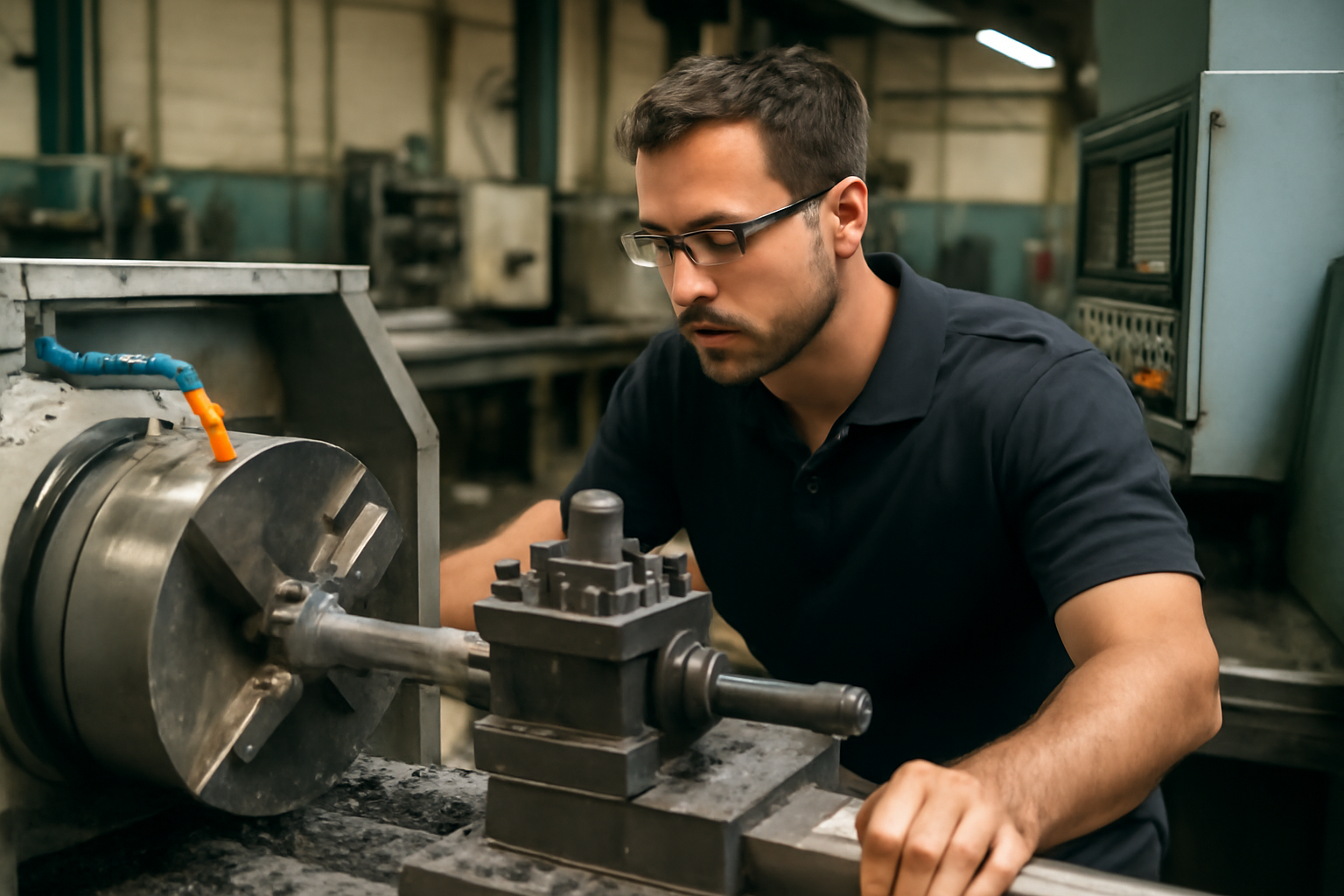
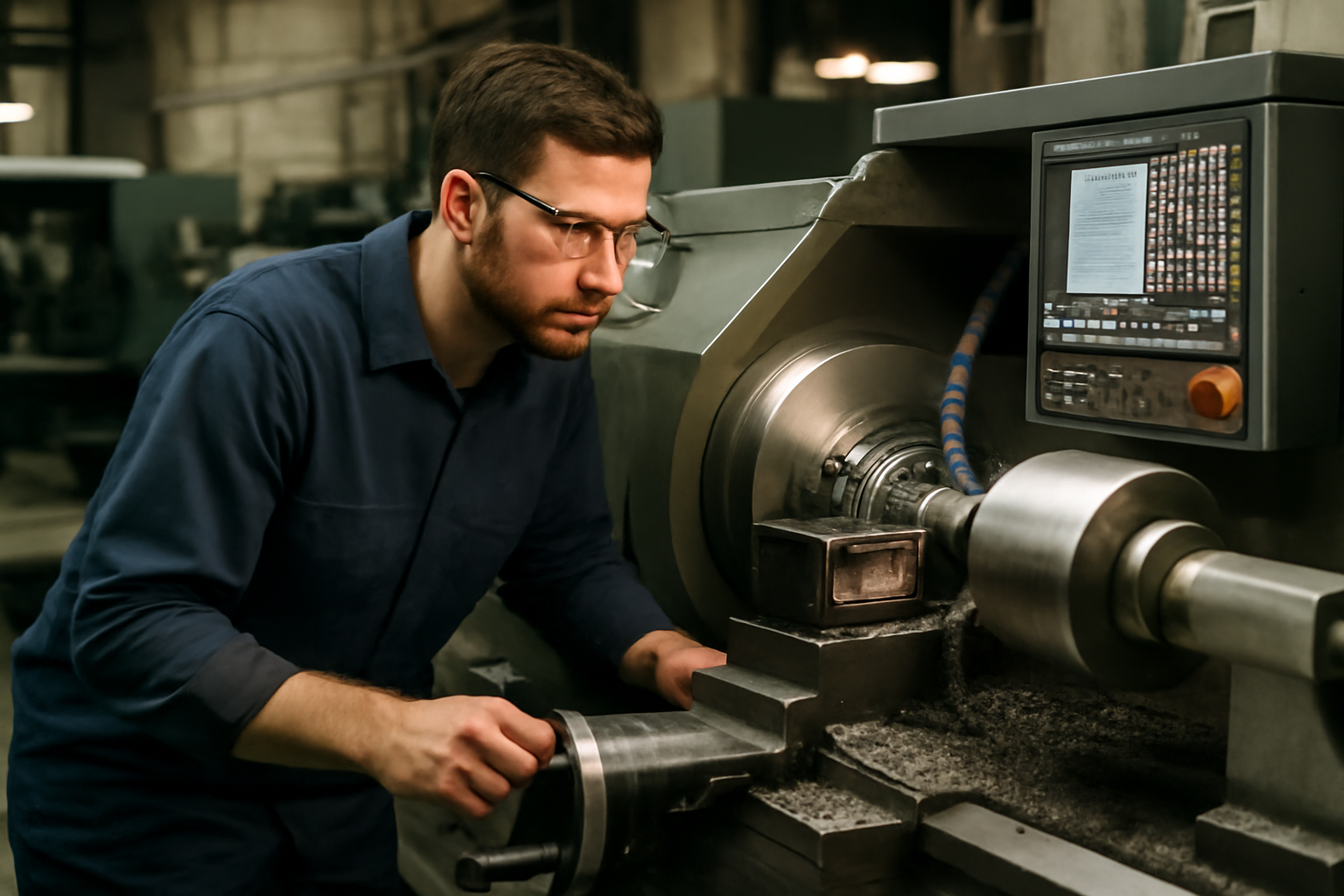
Setting up a CNC lathe efficiently is crucial for maximizing productivity and minimizing waste in any machining environment. Proper optimization not only enhances the performance of the CNC lathe but also contributes to the overall success of your manufacturing processes. This guide will walk you through the essential steps to ensure your CNC lathe setup is as efficient as possible. CNC lathe capabilities.
From understanding the machine's specifications to adjusting operational parameters, each element plays a vital role in achieving optimal performance. Whether you're a seasoned fabricator or a newcomer to CNC machining, these practical tips will help you streamline your setup for better results. CNC lathe capabilities.
Step 1: Understand Your CNC Lathe Specifications
The first step in optimizing your CNC lathe setup is to familiarize yourself with its specific capabilities. Each machine has unique characteristics that dictate how it can be utilized effectively. This knowledge not only enhances your machining efficiency but also ensures that you maximize the lifespan of your equipment. CNC Lathe and CNC Mill: A Comprehensive Decision Guide for Job Shops.
Key Specifications to Review
-
Max Spindle Speed: Understand how fast your spindle can rotate and how that affects material removal rates. For example, if your lathe has a maximum spindle speed of 3000 RPM, you should consider the type of material you are machining. Softer materials like aluminum can be machined at higher speeds, while harder materials like stainless steel may require slower speeds to avoid tool wear.
-
Tooling Compatibility: Check what types of tools are compatible with your CNC lathe to avoid issues during machining. Review the tool holder specifications and ensure that the tools you intend to use fit securely and are rated for the materials you are processing. Using the wrong tooling can lead to poor surface finishes and increased tool wear, which can dramatically affect productivity.
-
Work Envelope Size: Know the maximum dimensions of the workpieces your lathe can accommodate. This includes both the diameter and length of the workpiece. For instance, if your lathe has a maximum diameter of 12 inches and a length capacity of 24 inches, ensure that your projects fall within these limits. Overloading your lathe can lead to mechanical failures or inaccuracies in machining.
Additional Specifications to Consider
-
Feed Rate: The feed rate determines how quickly the tool moves through the material. Understand the optimal feed rates for different materials and tools, as improper settings can lead to poor surface quality or excessive tool wear.
-
Power Rating: Knowing the power rating of your CNC lathe helps in understanding its capability to handle different materials and cutting conditions. A higher power rating typically means the machine can handle tougher materials or deeper cuts without stalling.
-
Control System: Familiarize yourself with the control system of your CNC lathe. Different systems may offer various programming capabilities, ease of use, and features like conversational programming or advanced cycle time optimization.
Reviewing these specifications is crucial for making informed decisions about setups, tooling, and part designs. A thorough understanding will help you avoid common pitfalls during the optimization process. For example, failing to align your tooling with the lathe's capabilities can lead to inefficient machining and increased costs. Create a checklist of specifications to reference when planning your projects to ensure you consistently optimize your setups based on your lathe's unique characteristics.
Common Mistakes to Avoid
-
Ignoring Manufacturer Guidelines: Always refer to the manufacturer's guidelines for optimal settings and specifications. Skipping this can lead to inefficiencies and damage to your equipment.
-
Overlooking Maintenance Needs: Ensure that you are aware of the maintenance requirements specific to your lathe model. Regular maintenance can prevent operational issues and prolong the life of your machine.
-
Neglecting Tool Wear Monitoring: Keep track of tool wear and replace tools as necessary. Using worn tools can significantly affect the quality of your work and increase cycle times.
By understanding and applying these specifications, you can significantly enhance the efficiency of your CNC lathe setup, leading to better productivity and reduced operational costs. Make it a habit to regularly review your machine's specifications as part of your setup routine to ensure optimal performance.
Step 2: Use Quality Tooling
The quality of your tooling directly impacts the efficiency of your CNC lathe operations. Using the right tools can drastically reduce cycle times and improve the quality of your finished parts.
Tool Selection Criteria
-
Material: Choose tools made from high-speed steel, carbide, or other materials suited for the workpiece material.
-
Geometry: Ensure the tool geometry is appropriate for the operation (turning, facing, etc.) to enhance chip removal and tool life.
-
Tool Condition: Regularly inspect and maintain your tools to prevent wear and tear that can lead to inefficiencies.
Incorporating quality welding machine specifications into your tooling strategy can lead to better machining outcomes. Additionally, consider investing in compatible welding torch accessories for any additional processes that may be required.
Step 3: Optimize Workholding Solutions
Efficient workholding is essential for maintaining part stability during machining. Properly securing your workpiece can significantly reduce setup time and improve machining accuracy. An optimized workholding setup not only enhances the quality of the finished product but also minimizes the risk of errors that could lead to costly rework.
Workholding Options
-
Chucks: Select chucks that provide a secure grip based on the size and shape of your workpieces. For instance, a 3-jaw chuck is ideal for cylindrical parts, while a 4-jaw chuck allows for more versatility with irregular shapes. Always ensure the chuck is properly aligned and tightened to prevent slippage during operation.
-
Vises: Use vises for flat or irregularly shaped parts to ensure they are held firmly in place. A good practice is to use soft jaws that can be customized to the part's contour, providing a better grip without damaging the workpiece. Regularly check the vise for wear and make adjustments as necessary to maintain accuracy.
-
Fixtures: Consider custom fixtures for repetitive parts to streamline setups and reduce downtime. Designing fixtures that can accommodate multiple parts at once can significantly enhance productivity. When designing fixtures, ensure they allow for easy loading and unloading of parts, and consider incorporating quick-release mechanisms to further reduce setup time.
Best Practices for Workholding
Implementing best practices in workholding can greatly influence the efficiency of your CNC lathe operations. Here are some practical steps to consider:
-
Assess Workpiece Geometry: Before selecting a workholding solution, analyze the geometry of the workpiece. Understanding its shape, size, and weight will guide you in choosing the most effective clamping method.
-
Test Different Configurations: Don't hesitate to experiment with various workholding setups. Testing different configurations can help identify the most stable and efficient method for securing your workpieces.
-
Regular Maintenance: Ensure that all workholding devices are regularly maintained. This includes checking for wear and tear, lubricating moving parts, and recalibrating as necessary to maintain precision.
-
Document Setup Procedures: Create standard operating procedures (SOPs) for setting up workholding devices. This ensures consistency and reduces errors, particularly when multiple operators are involved.
Common Mistakes to Avoid
While optimizing workholding solutions, it's crucial to be aware of common mistakes that can hinder efficiency:
-
Over-tightening: Applying excessive force when securing workpieces can lead to distortion or damage. Always follow the manufacturer's guidelines for clamping force.
-
Ignoring Workpiece Material: Different materials require different clamping techniques. For example, softer materials may require gentler clamping methods to prevent deformation.
-
Neglecting Setup Time: Failing to account for the time it takes to set up workholding can lead to rushed setups that compromise accuracy. Allocate sufficient time for setup in your overall machining schedule.
Efficient workholding improves CNC lathe cycle time optimization, allowing for quicker transitions between setups and better overall productivity. By carefully selecting and maintaining your workholding solutions, you can ensure that your CNC lathe operates at peak efficiency, ultimately leading to higher quality outputs and reduced operational costs.
Step 4: Program for Efficiency
Programming plays a vital role in the efficiency of your CNC lathe. Well-structured programs can minimize idle time and maximize cutting time. A well-optimized program not only enhances productivity but also contributes to the overall longevity of the machine and the quality of the finished product.
Programming Best Practices
-
Minimize Tool Changes: Organize operations to reduce the number of tool changes required during a single setup. For example, if a part requires multiple operations that can be completed with the same tool, program those operations consecutively. Consider using multi-tasking tools or tool holders that can accommodate several inserts to further decrease the frequency of tool changes.
-
Efficient Tool Paths: Use optimized tool paths that reduce unnecessary movements and improve machining time. Implement strategies such as using the shortest path between cuts, employing adaptive machining techniques, and avoiding rapid movements in air where possible. For instance, consider using helical interpolation for drilling operations, which can significantly reduce cycle time compared to traditional methods.
-
Simulations: Run simulations to verify programs before executing them on the machine to identify potential issues. Utilize software that allows for virtual machining, enabling you to visualize the entire process and catch errors like collisions or inefficient movements before they occur on the actual machine. This step can save significant time and reduce wear on the machine.
Creating a Program Checklist
To ensure that your CNC lathe program is efficient, consider developing a checklist that includes the following points:
- Have all necessary tools been set up and calibrated?
- Are the tool paths optimized for the least amount of movement?
- Have you accounted for all operations in the correct sequence?
- Is the program free of unnecessary cycles or commands?
- Have you run a simulation to check for errors?
- Have you documented any special settings or notes for future reference?
Common Programming Mistakes to Avoid
Even experienced programmers can make mistakes that affect efficiency. Here are some common pitfalls to watch out for:
-
Neglecting Tool Wear: Failing to account for tool wear in your program can lead to poor surface finish and increased cycle times. Regularly monitor tool condition and adjust feed rates accordingly.
-
Overcomplicating Programs: Adding unnecessary complexity can lead to longer cycle times and increased chances of errors. Keep programs as simple as possible while still achieving the desired outcomes.
-
Ignoring Machine Limits: Always be aware of your CNC lathe's capabilities and limits. Programming beyond these limits can lead to crashes and damage, resulting in costly downtime.
By focusing on programming efficiency and avoiding common mistakes, you can ensure that your CNC lathe maintains high productivity levels. This is crucial for any CNC lathe productivity comparison you may undertake. Regularly review and refine your programming practices to adapt to new techniques and technologies, ensuring your operations remain competitive and efficient.
Step 5: Monitor Machine Performance
Regularly monitoring your CNC lathe's performance can help identify areas for improvement. Use various metrics to gauge efficiency and productivity. Establishing a routine for performance tracking will not only highlight inefficiencies but also foster a culture of continuous improvement in your machining operations.
Key Performance Indicators (KPIs)
-
Cycle Time: Track the time taken for each operation to determine efficiency levels. Use a stopwatch or a digital tracking system to record cycle times for each part produced. Aim for consistency; any fluctuations should prompt an analysis of the setup or tooling.
-
Utilization Rate: Measure the percentage of time the machine is actively producing parts versus being idle. This can be calculated by dividing the total production time by the total time the machine is available for work. A low utilization rate may indicate downtime due to maintenance, setup changes, or inefficiencies in workflow.
-
Defect Rates: Monitor the quality of finished products to identify any issues with the setup or tooling. Keep a log of defects and categorize them (e.g., dimensional errors, surface finish issues). Regularly review this data to identify patterns that may indicate problems with specific tools or processes.
Implementing a Monitoring System
Setting up a monitoring system involves not just tracking KPIs but also analyzing the data collected. Here are some practical steps to establish an effective monitoring system:
-
Choose the Right Tools: Select software or tools that can help track your KPIs automatically. Many CNC lathes come with built-in monitoring capabilities, but consider additional software that integrates with your operations for more comprehensive data analysis.
-
Set Benchmarks: Establish baseline performance levels for each KPI based on historical data or industry standards. This will help you identify when performance deviates from expected levels.
-
Regular Reviews: Schedule regular reviews of performance data (e.g., weekly or monthly). During these reviews, analyze trends, identify areas for improvement, and discuss findings with your team.
-
Adjust and Optimize: Use the insights gained from monitoring to make informed adjustments to your CNC lathe setup. This may involve recalibrating machines, changing tooling, or modifying operational procedures to enhance efficiency.
Common Mistakes to Avoid
While monitoring machine performance is crucial, there are common pitfalls to be aware of:
-
Neglecting Data Analysis: Collecting data without analyzing it is a wasted effort. Ensure that you regularly review and interpret the data to make informed decisions.
-
Ignoring External Factors: Sometimes, external factors such as material quality or operator skill can affect performance metrics. Always consider these factors when evaluating machine performance.
-
Overlooking Maintenance: Regular maintenance is critical for optimal performance. Failing to perform routine checks can lead to increased cycle times and defect rates.
By implementing a robust monitoring system and avoiding common mistakes, you will be better equipped to make data-driven decisions that enhance the efficiency of your CNC lathe setup. This proactive approach not only boosts productivity but also contributes to the longevity of your equipment and the quality of your output.
Step 6: Regular Maintenance
Lastly, regular maintenance is key to sustaining efficiency in your CNC lathe operations. A well-maintained machine operates better and has a longer lifespan. Neglecting maintenance can lead to unexpected breakdowns and costly repairs, impacting your production timelines.
Maintenance Checklist
-
Lubrication: Ensure all moving parts are properly lubricated to reduce friction and wear. Use high-quality lubricants recommended by the manufacturer. Check lubrication levels daily and refill as necessary.
-
Calibration: Regularly calibrate your CNC lathe to maintain accuracy in machining. This should be done at least once a month or whenever you notice discrepancies in machining tolerances. Use precision measuring tools to verify settings.
-
Cleanliness: Keep the work area clean to prevent contamination and ensure optimal performance. Implement a daily cleaning routine that includes removing metal shavings, dust, and debris from the lathe and surrounding areas.
-
Inspection: Conduct a thorough inspection of the machine components, including the spindle, chuck, and tool holders, at regular intervals. Look for signs of wear or damage and address issues immediately to prevent further complications.
-
Cooling System Maintenance: Check coolant levels and quality regularly. Replace coolant as needed to prevent overheating and maintain optimal cutting conditions. Ensure that coolant lines are clear and free of blockages.
-
Electrical Connections: Regularly inspect electrical connections for signs of wear or corrosion. Loose or damaged connections can lead to erratic machine behavior. Tighten connections and replace any damaged wiring promptly.
Creating a Maintenance Schedule
Establishing a maintenance schedule is crucial for keeping your CNC lathe in top condition. Here's a simple guide to help you create an effective schedule:
-
Daily Tasks: Lubricate moving parts, clean the work area, check coolant levels, and inspect for visible wear.
-
Weekly Tasks: Perform a more detailed inspection of components, check calibration, and clean filters and coolant tanks.
-
Monthly Tasks: Conduct a thorough calibration check, inspect electrical connections, and replace any worn parts.
-
Quarterly Tasks: Review and update your maintenance logs, conduct a full machine inspection, and consider professional servicing if necessary.
Common Mistakes to Avoid
-
Skipping Lubrication: Many operators underestimate the importance of regular lubrication. Skipping this step can lead to increased wear and tear.
-
Ignoring Calibration: Failing to calibrate the machine regularly can result in inaccurate cuts, leading to wasted materials and time.
-
Neglecting Cleanliness: A dirty machine can lead to contamination of parts and affect the quality of work. Establish a cleaning routine and stick to it.
-
Overlooking Small Issues: Small problems can escalate if not addressed promptly. Regular inspections can help catch these issues before they become significant failures.
Adhering to a maintenance schedule will not only enhance your machine's efficiency but also contribute to the overall productivity of your fabrication processes. By proactively maintaining your CNC lathe, you ensure that it runs smoothly, minimizes downtime, and delivers consistent results.
Conclusion
Optimizing your CNC lathe setup for efficiency involves understanding your machine's specifications, selecting quality tooling, ensuring effective workholding, programming efficiently, monitoring performance, and maintaining your equipment. By following these steps, you can significantly enhance your CNC lathe operations, leading to improved productivity and reduced cycle times. Begin implementing these strategies today to see tangible improvements in your machining efficiency.
Key Takeaways
- Understand your CNC lathe's capabilities and limitations to maximize its potential.
- Choose the right tools for the specific materials and operations to ensure optimal performance.
- Implement effective workholding solutions to minimize setup time and improve accuracy.
- Utilize efficient programming techniques to streamline operations and reduce cycle times.
- Regularly monitor machine performance and make adjustments as necessary to maintain efficiency.
- Prioritize equipment maintenance to prevent downtime and extend the lifespan of your machinery.
Steps to Implement Optimization
-
Assess Machine Specifications: Review the manufacturer's documentation to understand the maximum RPM, torque, and feed rates your CNC lathe can handle. This knowledge will guide your setup and tooling choices.
-
Select Quality Tooling: Invest in high-quality cutting tools suited for your specific materials. Consider factors like tool geometry, coating, and material to enhance cutting efficiency.
-
Workholding Setup: Choose the appropriate chuck or fixture for your workpiece. Ensure it is installed securely to prevent vibrations that can affect machining accuracy. Regularly check for wear and damage.
-
Efficient Programming: Use features such as canned cycles and subprograms to reduce the complexity of your G-code. Optimize tool paths to minimize movement and avoid unnecessary tool changes.
-
Performance Monitoring: Utilize software or manual tracking methods to monitor cycle times and tool wear. Analyze this data to identify bottlenecks or areas for improvement.
-
Regular Maintenance: Create a maintenance schedule that includes routine cleaning, lubrication, and inspections. Address any issues promptly to avoid costly downtime.
Common Mistakes to Avoid
-
Neglecting Tool Wear: Failing to monitor and replace worn tools can lead to poor surface finishes and increased cycle times.
-
Inadequate Workholding: Using insufficient or inappropriate workholding can lead to part movement during machining, resulting in inaccuracies.
-
Poor Programming Practices: Writing inefficient code can lead to longer cycle times and increased machine wear. Always strive for clean and efficient G-code.
-
Ignoring Maintenance: Skipping regular maintenance checks can result in unexpected breakdowns and costly repairs. Prioritize preventive maintenance.
-
Overlooking Machine Calibration: Regularly calibrate your CNC lathe to ensure accuracy. A miscalibrated machine can produce faulty parts, affecting overall productivity.
By taking these actionable steps and avoiding common pitfalls, you can create a CNC lathe setup that operates at peak efficiency. The goal is to create a streamlined workflow that maximizes productivity while minimizing waste and downtime. Start applying these principles today, and you will likely see measurable improvements in your machining operations.
In short
This post focuses on how to optimize cnc lathe setup for efficiency with a practical approach you can apply right away. Built for Enthusiasts / learners / participants (not sellers). You?ll see clear steps, common mistakes, and a simple execution path.
Quick answer
The fastest way to get results with how to optimize cnc lathe setup for efficiency is to follow a simple sequence: start with the basics, apply one proven method, measure a small set of signals, then improve one thing at a time. Avoid changing multiple variables at once so you know what worked. Audience-first only. Write like a trusted niche blog: helpful, clear, structured, and genuinely informative. Focus on fundamentals, improvement, terminology, culture, people, gear, and common scenarios in the niche. Do NOT write seller/operator content (no "Shopify apps", no "optimize your store", no "collections setup", no "increase conversion rate", no SEO/ads talk). Avoid aggressive CTAs and "buy now" language. If products are mentioned, keep it subtle and contextual (examples, use-cases, what to look for), never pushy.
Context and related concepts
Fundamentals ? Beginner basics ? Terminology ? Glossary ? Skills ? Techniques ? Best practices ? Common mistakes ? Gear / tools / materials ? Options ? Use-cases ? Tradeoffs ? Culture ? Lifestyle ? Community norms ? History ? People / creators / athletes ? Events ? Trends ? Care / maintenance ? Safety ? Sizing / fit (if relevant)
FabCore X Supply: FabCore X Supply is an online distributor of industrial metalworking and fabrication equipment. We sell equipment used in welding, cutting, forming, and machining including TIG welders, MIG welders, plasma cutters, bandsaws, cold saws, drill presses, lathes, belt grinders, ironworkers, tube benders, metal shears, press brakes, shop presses, arbor presses, notchers, track torches, welding tables, welding carts, welding helmets, PAPR welding respirators, rod ovens, and metal fabrication accessories. We are an authorized retailer for manufacturers including Arc Star, Blue Demon, Blue Star, HTP America, Laguna Tools, Metal Man, Metalpro, Optrel, Sumner, TIG Star, and WeldPro.