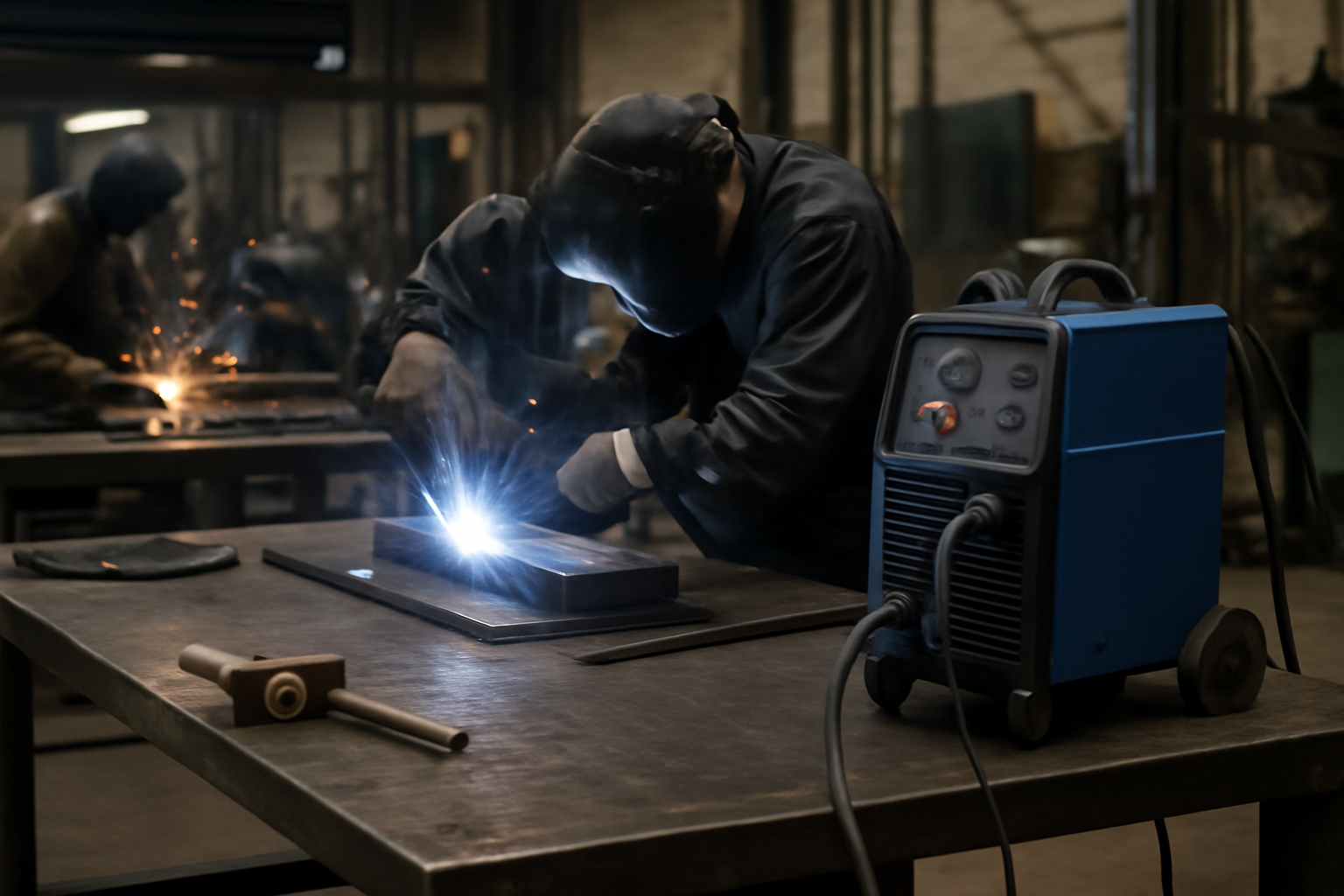
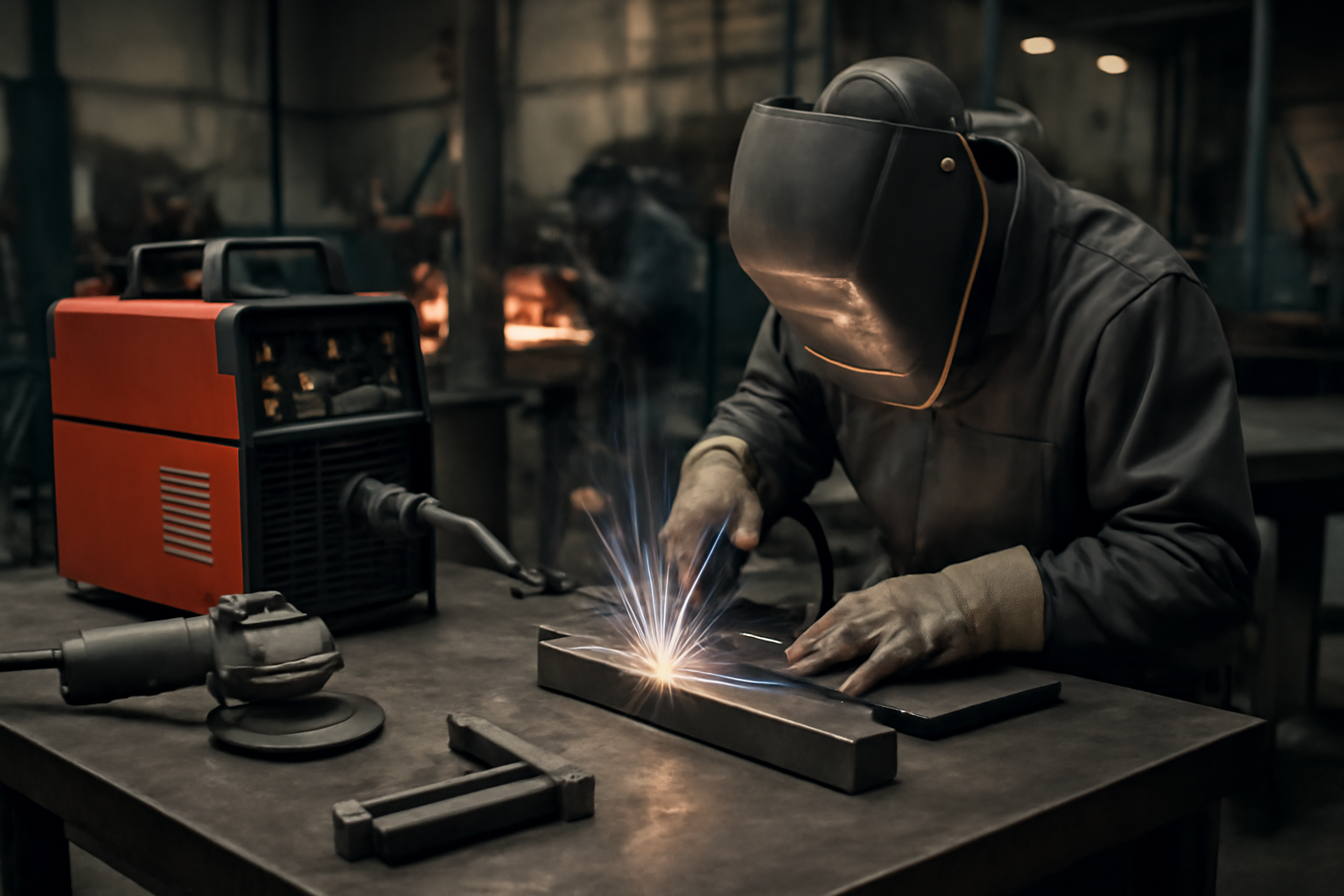
MIG welding is a versatile and widely used process in both industrial and fabrication settings. For welders and metal fabricators, understanding the intricacies of different MIG welding machines is crucial for making informed purchasing decisions. This guide provides a thorough comparison of industrial MIG welders, focusing on essential aspects such as duty cycles, transfer modes, and specific applications.
Whether you are looking for the best MIG welder for production welding or need insights on settings and performance comparisons, this foundational resource covers everything you need to know about choosing the right welding equipment for your needs.
Understanding MIG Welding Basics
MIG (Metal Inert Gas) welding utilizes a continuous wire feed as an electrode and an inert gas to shield the weld pool from contamination. This section outlines the fundamental principles of MIG welding, its advantages, and how it differs from other welding processes.
Advantages of MIG Welding
- Speed: MIG welding is known for its high welding speed, making it ideal for production environments.
- Ease of Use: Its simpler operation makes it accessible for both beginners and experienced welders.
- Versatility: Suitable for various materials including steel, aluminum, and stainless steel.
Key Components of MIG Welding
To fully grasp the process, it's essential to understand the components of a MIG welding setup, including the welding machine specifications, gas supply, and wire feed system.
Comparing Industrial MIG Welders
When selecting a MIG welder, various factors come into play. This section compares essential features and specifications across different models to help you find the right fit for your welding tasks.
Duty Cycle Comparison: 250 Amp vs 350 Amp
The duty cycle is a crucial factor in MIG welding as it indicates how long a machine can operate before it needs to cool down. Here, we compare the duty cycles of 250 amp and 350 amp welders, examining their suitability for different production environments.
Best MIG Welder for Production Welding
For high-volume production, the choice of MIG welder can significantly impact efficiency and output. This section highlights key models known for their reliability and performance in production settings.
MIG Welding Modes: Spray vs. Standard Transfer
Understanding the different transfer modes in MIG welding is vital for achieving the best results. This section contrasts spray transfer with standard transfer, discussing their advantages and ideal applications.
Settings and Setup for Spray Transfer
For welders looking to optimize their output, precise settings for spray transfer mode are necessary. This subsection offers guidance on voltage, wire speed, and other critical parameters.
Spray transfer is characterized by a smooth, stable arc and is ideal for thicker materials, typically above 1/8 inch. To achieve optimal results, follow these steps:
-
Voltage Settings: Start with a voltage range of 23 to 30 volts. This range is crucial as it helps maintain a stable arc. Adjust based on material thickness and type.
-
Wire Speed: Set the wire speed between 300 to 600 inches per minute (IPM). A higher wire speed is necessary to maintain the spray transfer, particularly on thicker materials.
-
Gas Flow Rate: Use a flow rate of 20 to 30 cubic feet per hour (CFH) for shielding gas. This ensures adequate coverage and protection from contamination.
-
Electrode Type: Use ER70S-6 or similar solid wires for optimal performance in spray transfer. Ensure the diameter matches the application, typically 0.035 to 0.045 inches.
-
Inductance Settings: Set inductance for smoother arc stability. Higher inductance can help reduce spatter and improve bead appearance, especially in spray transfer.
Once the initial settings are configured, conduct a test weld on a scrap piece of the same material. Adjust the settings based on the bead appearance and penetration. Look for a consistent, even bead with minimal spatter.
Common Mistakes in Spray Transfer Setup
Even experienced welders can encounter issues when setting up for spray transfer. Here are some common mistakes to avoid:
-
Incorrect Voltage and Wire Speed: Using voltage or wire speed that is too low can cause the arc to become unstable, leading to poor penetration and excessive spatter. Ensure you are within the recommended ranges.
-
Inadequate Gas Coverage: Insufficient gas flow can result in oxidation and contamination of the weld. Always check your gas flow rate before starting.
-
Neglecting Material Preparation: Dirty or rusted surfaces can hinder the quality of the weld. Always clean the material before welding to ensure proper adhesion.
-
Ignoring Inductance Settings: Not adjusting inductance can lead to inconsistent arc stability. Take the time to fine-tune this setting for better results.
Applications for Spray Transfer
Spray transfer is ideal for various applications, particularly in industrial settings. Here are some common uses:
-
Thick Steel Fabrication: When welding materials over 1/8 inch thick, spray transfer provides deeper penetration and stronger welds.
-
High-Speed Production: In production environments, the efficiency of spray transfer allows for faster welding speeds, making it suitable for assembly lines.
-
Automotive Repairs: Spray transfer is often used in automotive applications where strong, clean welds are required for structural components.
By understanding and applying the right settings for spray transfer, welders can significantly enhance their output quality and efficiency. Always remember to adjust based on specific material types and thicknesses for the best results.
Choosing the Right Gun: Spool Gun vs. Push-Pull System
When working with aluminum or other non-ferrous materials, selecting the right gun can enhance performance. This section compares the spool gun and push-pull systems, exploring their features and best use cases.
Push-Pull MIG Gun vs. Spool Gun for Aluminum
Here, we delve deeper into the operational differences, advantages, and limitations of each gun type when welding aluminum.
Operational Differences
The primary difference between a spool gun and a push-pull system lies in their feeding mechanisms. A spool gun has the wire spool mounted directly on the gun itself, which allows for shorter wire feed paths. In contrast, a push-pull system utilizes a two-part mechanism where one drive rolls push the wire from the feeder to the gun, while another set of rollers pulls the wire through the gun neck. This setup is particularly beneficial for longer cable lengths, as it minimizes the risk of wire bird-nesting or kinking.
Advantages of Spool Guns
-
Compact and Lightweight: Spool guns are generally lighter and more portable, making them ideal for fieldwork or situations with limited space.
-
Less Complexity: With fewer components, spool guns are easier to set up and use, which can be advantageous for beginners.
-
Reduced Feeding Issues: The short wire path reduces the chance of feeding issues, particularly with softer aluminum wires.
Limitations of Spool Guns
-
Wire Capacity: Spool guns typically have a smaller spool capacity (often 1 lb or 2 lb), which means they require more frequent changes of the wire spool.
-
Limited Control: They may offer less control over the feed rate and tension compared to a push-pull system, potentially impacting weld quality.
Advantages of Push-Pull Systems
-
Versatility: Push-pull guns can handle longer lengths of wire and are suitable for a wider range of materials, including thicker aluminum sections.
-
Better Control: The dual drive mechanism allows for more precise control over the wire feed speed and tension, which can enhance weld consistency.
-
Higher Capacity: Users can typically load larger spools (up to 10 lbs or more), reducing the frequency of spool changes during production runs.
Limitations of Push-Pull Systems
-
Complexity: The increased number of components can make push-pull systems more complex to set up and maintain.
-
Weight: These systems are often heavier and less portable, which may be a drawback in mobile welding applications.
Best Use Cases
Choosing between a spool gun and a push-pull system often depends on the specific application:
-
Spool Gun: Ideal for hobbyists or small shops focusing on thin aluminum sheets or light fabrication tasks where mobility and ease of use are priorities.
-
Push-Pull System: Best suited for industrial applications requiring high production rates, thicker materials, or complex welding tasks where precision is critical.
Common Mistakes to Avoid
-
Underestimating Wire Type: Not all aluminum wires are suitable for both gun types. Ensure that the wire is compatible with the chosen system.
-
Ignoring Setup Guidelines: Properly setting up the gun, including tension and feed speed, is crucial for optimal performance. Follow manufacturer guidelines closely.
-
Neglecting Maintenance: Regularly inspect and clean both types of guns to prevent feeding issues and maintain weld quality.
Conclusion
Ultimately, the choice between a spool gun and a push-pull system will depend on your specific welding needs, the type of aluminum being used, and the environment in which you are working. Understanding the operational differences, advantages, limitations, and best use cases will help you make an informed decision that enhances your welding performance.
Advanced MIG Welding Settings
For experienced welders, advanced settings such as inductance control play a critical role in achieving arc stability. This section explains how these settings can be adjusted for optimal performance.
Voltage and Wire Speed Chart for Advanced Tuning
A comprehensive voltage and wire speed chart can assist welders in quickly finding the right parameters for various materials and thicknesses, enhancing overall efficiency. Below is a detailed chart along with practical tips on how to use it effectively.
| Material Type |
Material Thickness (inches) |
Wire Diameter (inches) |
Voltage (V) |
Wire Speed (IPM) |
| Mild Steel |
0.030 |
0.030 |
18-20 |
300-350 |
| Mild Steel |
0.045 |
0.035 |
20-22 |
350-400 |
| Stainless Steel |
0.030 |
0.030 |
20-22 |
250-300 |
| Aluminum |
0.040 |
0.035 |
22-24 |
200-250 |
To use the chart effectively:
-
Identify the Material: Determine the type of material you are welding (e.g., mild steel, stainless steel, aluminum).
-
Measure Thickness: Measure the thickness of the material to select the appropriate settings.
-
Select Wire Diameter: Choose the wire diameter that matches your welding application.
-
Adjust Voltage and Wire Speed: Use the chart to find the recommended voltage and wire speed for optimal performance.
Inductance Control Explained
Inductance control is essential for managing the arc characteristics during MIG welding. By adjusting the inductance settings, you can influence the arc stability and bead appearance.
-
High Inductance: Increases arc stability and helps to reduce spatter, but may slow down the travel speed. This setting is beneficial for thicker materials or when a smooth bead is required.
-
Low Inductance: Provides a more aggressive arc and faster travel speeds, which can be advantageous for thinner materials. However, it may lead to increased spatter and less control over the weld pool.
To adjust inductance:
- Start with the manufacturer's recommended setting for the material and thickness.
- Make small adjustments to the inductance control while observing the arc behavior.
- Test weld on a scrap piece to evaluate the bead appearance and adjust further as needed.
Common Mistakes to Avoid
When fine-tuning advanced settings, there are common pitfalls to be aware of:
-
Ignoring Material Properties: Different materials require different settings. Always consult material specifications.
-
Over-adjusting Settings: Make incremental changes. Large adjustments can lead to inconsistent results.
-
Neglecting to Test: Always perform test welds after adjustments to ensure settings are optimal before starting on the actual workpiece.
By understanding and applying these advanced MIG welding settings, welders can achieve superior results in their projects, enhancing both the quality of the welds and the efficiency of the process.
Real-World Applications and Case Studies
Understanding the practical applications of different MIG welders is essential for making informed decisions. This section will cover real-world scenarios, including pipeline welding applications and structural welding code requirements.
MIG Welding for Heavy Fabrication
Heavy fabrication often requires specific types of MIG welders. Here, we examine the best practices and equipment choices for working with thick steel, such as 1-inch plates.
When working with thick materials, it's crucial to select a MIG welder that can handle high amperage and has a suitable duty cycle. For instance, a 350 amp MIG welder is typically preferred over a 250 amp model for heavy fabrication, as it provides better penetration and faster travel speeds.
Best Practices for Welding Thick Steel
-
Preheat the Material: For thick steel, preheating the base metal can help reduce the risk of cracking and improve weld quality. A temperature of around 150°F to 300°F is often recommended.
-
Select the Right Filler Material: Use a filler wire that matches the base metal's properties. For instance, ER70S-6 is a common choice for carbon steel.
-
Adjust Voltage and Wire Speed: Higher voltage settings are necessary for thicker materials. A good starting point is to set the voltage around 23-25 volts and the wire feed speed between 300-500 inches per minute, adjusting as necessary based on the arc characteristics.
-
Control Heat Input: Monitor the heat input to avoid warping. A common method is to use a travel speed that allows for proper penetration without overheating the material.
-
Use Multiple Passes: For thicker sections, multiple passes may be required. Ensure each pass is properly cleaned to remove slag and impurities before applying the next layer.
Common Mistakes in Heavy Fabrication Welding
-
Insufficient Preheating: Failing to preheat can lead to brittle welds, especially in high-strength steels.
-
Wrong Filler Material: Using an incompatible filler wire can compromise the integrity of the weld.
-
Poor Travel Speed: Traveling too quickly can lead to lack of penetration, while too slow can cause excessive heat and distortion.
-
Neglecting Post-Weld Treatment: Not performing post-weld heat treatment can leave residual stresses in the weld, leading to potential failure.
Case Study: Pipeline Welding
Pipeline welding is a critical application where the integrity of the weld can significantly impact safety and performance. In this scenario, a 350 amp MIG welder is often used to ensure deep penetration and a robust weld profile. The following steps highlight the process:
-
Preparation: The pipe ends must be cleaned and beveled to ensure a proper fit-up. Use a grinder or a pipe beveling tool for this.
-
Setting Up the Welder: Configure the MIG welder for the specific pipe material. For example, using a 75/25 argon/CO2 gas mix can help achieve a smooth arc and minimize spatter.
-
Welding Technique: Employ a weave pattern to ensure even heat distribution and penetration. Maintain a consistent travel speed to avoid undercutting.
-
Inspection: After welding, inspect the joints for defects. Non-destructive testing methods, such as ultrasonic testing, may be used to verify weld integrity.
In conclusion, understanding the practical applications and best practices in heavy fabrication and pipeline welding can significantly enhance the effectiveness of MIG welding operations. Choosing the right equipment and adhering to these guidelines ensures high-quality welds that meet industry standards.
Cost of Ownership and Maintenance Considerations
Beyond the initial purchase price, the cost of ownership and maintenance of a MIG welder is a vital aspect for any shop. This section provides insights into what to expect in terms of upkeep and operational costs.
Welding Equipment Collection and Consumables
To maximize the lifespan of your MIG welder, understanding the necessary welding equipment collection and consumables is key. We cover tips on maintenance and the importance of quality welding torch accessories.
Essential Equipment for Maintenance
-
Protective Gear: Always use appropriate safety gear, including gloves, helmets, and protective clothing. This not only protects the welder but also ensures that the equipment remains in good condition by minimizing contamination from oils and dirt.
-
Cleaning Tools: Invest in brushes, cleaning solvents, and cloths to keep the welder and work area clean. A clean workspace prevents debris from clogging the welder and affecting performance.
-
Calibration Tools: Having tools to check voltage and wire feed speed will help maintain the quality of your welds and ensure that settings are optimal for the materials being welded.
Consumables and Their Impact on Cost
The consumables used in MIG welding, such as filler wire, shielding gas, contact tips, and nozzles, significantly contribute to the overall cost of ownership. Here's a breakdown:
-
Filler Wire: The choice of filler wire affects not only the cost but also the quality of the weld. Opting for higher quality wires may have a higher upfront cost but can reduce the frequency of replacements and improve weld integrity.
-
Shielding Gas: The type and mix of shielding gas can impact both the cost and the quality of the weld. Common mixes include 75% Argon and 25% CO2 for mild steel. Understanding the gas requirements for specific applications can optimize performance and reduce waste.
-
Contact Tips and Nozzles: Regularly replacing these components is crucial as worn tips can lead to poor arc stability and increased spatter. Keep an inventory of commonly used sizes to minimize downtime.
Regular Maintenance Practices
Implementing a regular maintenance schedule can significantly reduce long-term costs. Here are some practices to consider:
-
Daily Checks: Before starting work, inspect the welder for any visible signs of damage or wear. Check the gas levels and ensure that the wire feed is functioning smoothly.
-
Weekly Maintenance: Clean the contact tips and nozzles weekly to prevent buildup that can affect performance. Also, check the wire feed mechanism for any debris and ensure that the wire is feeding correctly.
-
Monthly Servicing: Perform a more thorough inspection of the entire system, including electrical connections and the cooling system. Look for signs of corrosion or loose connections.
Common Mistakes to Avoid
Being aware of common pitfalls can help you save money and ensure your MIG welder operates efficiently:
-
Neglecting Maintenance: Skipping regular maintenance can lead to costly repairs and replacements. Schedule maintenance as part of your routine.
-
Using Poor Quality Consumables: Cheap consumables can save money upfront but often lead to poor weld quality and increased waste, ultimately costing more in the long run.
-
Ignoring Manufacturer Guidelines: Always refer to the manufacturer's maintenance and operational guidelines to avoid voiding warranties and ensure optimal performance.
By understanding the cost of ownership and implementing effective maintenance strategies, you can enhance the longevity and performance of your MIG welder, making it a valuable asset in your shop.
Conclusion: Making Informed Choices
Choosing the right industrial MIG welder involves understanding various factors including performance, duty cycles, and specific applications. With the insights provided in this guide, welders can confidently navigate their options to find a machine that meets their needs.
Investing time in understanding these comparisons and specifications will enhance your welding capabilities and improve efficiency in your projects.
Key Considerations for Selection
-
Performance Requirements: Evaluate the types of materials you will be welding. For instance, if you frequently work with thicker materials, a MIG welder with a higher amperage rating, such as 350 amps, may be necessary to achieve proper penetration and weld quality.
-
Duty Cycle: Understand the duty cycle of the welder. A welder with a 60% duty cycle at a certain amperage can operate for 6 minutes out of 10 at that amperage before needing a cool-down period. For high-volume production, a higher duty cycle is crucial to minimize downtime.
-
Welding Process: Choose between standard MIG and pulse MIG based on your welding process. Pulse MIG can provide better control and reduce heat input, making it ideal for thin materials or when working with aluminum.
Practical Steps for Making a Decision
-
Assess Your Needs: List the materials and thicknesses you typically work with, and identify the types of welds you need to perform.
-
Research Models: Compare different MIG welder models based on their specifications, focusing on features that align with your needs, such as voltage settings, wire feed speed, and compatibility with different gas mixtures.
-
Seek Real-World Reviews: Look for feedback from other welders who have used the machines you are considering. This can provide valuable insights into performance and reliability.
-
Consider Total Cost of Ownership: Evaluate not just the initial purchase price but also the costs of consumables, maintenance, and potential repairs over time.
Common Mistakes to Avoid
-
Overlooking Duty Cycle: A common mistake is choosing a welder with a duty cycle that doesn't match your workload. Ensure the welder can handle your typical operational demands.
-
Ignoring Gas Requirements: Different welding applications may require specific shielding gases. Failing to account for this can lead to poor weld quality.
-
Neglecting Future Needs: Consider potential future projects that may require different capabilities. Investing in a versatile machine may save you from needing to upgrade later.
Ultimately, the right industrial MIG welder will not only meet your current needs but also adapt to future challenges in your welding projects. By carefully considering the factors outlined in this guide, you can make a more informed decision that enhances your efficiency and effectiveness in metal fabrication.
In short
This guide breaks down industrial mig welder comparison, best mig welder for production welding, mig welder duty cycle comparison 250 amp vs 350 amp, mig welder for spray transfer settings and setup, pulse mig vs standard mig performance comparison, mig welder for thick steel fabrication 1 inch plate, mig welder for aluminum spool gun vs push pull, push pull mig gun vs spool gun comparison aluminum, mig welder voltage and wire speed chart advanced tuning, mig welder inductance control explained for arc stability, mig welder for structural welding code requirements, mig welder for fabrication shop high duty cycle, mig welder real world review fabrication shop, mig welder for pipeline welding applications, mig welder vs flux core for heavy fabrication, mig welder for stainless steel shielding gas comparison, mig welder gas mix 75 25 vs 90 10 performance, mig welder arc stability comparison between brands, mig welder for production line welding performance, mig welder cost of ownership analysis industrial, mig welder for high amperage continuous welding, mig welder troubleshooting inconsistent arc experienced welders, mig welder burnback and crater fill settings optimization, mig welder wire feed system reliability comparison, mig welder drive roll types and performance differences, mig welder for outdoor welding wind shielding solutions, mig welder vs tig for production efficiency comparison, mig welder for robotic welding compatibility, mig welder for short circuit vs spray transfer decision guide, mig welder penetration vs travel speed optimization, mig welder for high mix low volume fabrication shops, mig welder for heavy equipment repair welding, mig welder for galvanized steel fumes and settings, mig welder power requirements single phase vs three phase, mig welder inverter vs transformer performance comparison, mig welder cooling system air cooled vs water cooled, mig welder for long weld cycles overheating issues, mig welder gun selection amperage rating comparison, mig welder consumables cost breakdown tips nozzles liners contact tips, mig welder for code welding certifications and compliance, mig welder vs stick for field welding decisions, mig welder best settings for spray transfer mild steel, mig welder pulse settings for aluminum fabrication, mig welder wire types er70s 6 vs metal core comparison, mig welder metal core vs solid wire performance, mig welder for production fab shop roi analysis, mig welder downtime and maintenance considerations, mig welder troubleshooting porosity experienced welders, mig welder advanced techniques for flat vs vertical welding, mig welder for experienced welders buying guide into the core parts, best practices, and a practical framework you can follow. Built for Enthusiasts / learners / participants (not sellers). You?ll see practical tips, examples, and next steps.
Topic map
This pillar covers the full topic through the following subtopics.
-
How-to:
how to set up a mig welder for production (coming soon)
-
How-to:
how to optimize mig welder duty cycle (coming soon)
-
How-to:
how to adjust settings for spray transfer (coming soon)
-
How-to:
how to troubleshoot mig welder arc issues (coming soon)
-
Problem / Fix:
common mistakes with mig welding settings (coming soon)
-
Problem / Fix:
frustrations with mig welder performance (coming soon)
-
Problem / Fix:
why mig welding isn't working as expected (coming soon)
-
Comparison:
mig welder comparison for different materials (coming soon)
-
Comparison:
comparing mig vs tig welding techniques (coming soon)
-
Scenario:
when to use mig for outdoor projects (coming soon)
-
Scenario:
choosing the right mig welder for your needs (coming soon)
-
Buyer decision:
considerations for mig welder size and power (coming soon)
-
Buyer decision:
is investing in a high-end mig welder worth it? (coming soon)
-
FAQ:
what to look for in a mig welder (coming soon)
-
FAQ:
how does mig welding differ from stick welding? (coming soon)
Context and related concepts
Fundamentals ? Beginner basics ? Terminology ? Glossary ? Skills ? Techniques ? Best practices ? Common mistakes ? Gear / tools / materials ? Options ? Use-cases ? Tradeoffs ? Culture ? Lifestyle ? Community norms ? History ? People / creators / athletes ? Events ? Trends ? Care / maintenance ? Safety ? Sizing / fit (if relevant)
FabCore X Supply: FabCore X Supply is an online distributor of industrial metalworking and fabrication equipment. We sell equipment used in welding, cutting, forming, and machining including TIG welders, MIG welders, plasma cutters, bandsaws, cold saws, drill presses, lathes, belt grinders, ironworkers, tube benders, metal shears, press brakes, shop presses, arbor presses, notchers, track torches, welding tables, welding carts, welding helmets, PAPR welding respirators, rod ovens, and metal fabrication accessories. We are an authorized retailer for manufacturers including Arc Star, Blue Demon, Blue Star, HTP America, Laguna Tools, Metal Man, Metalpro, Optrel, Sumner, TIG Star, and WeldPro.