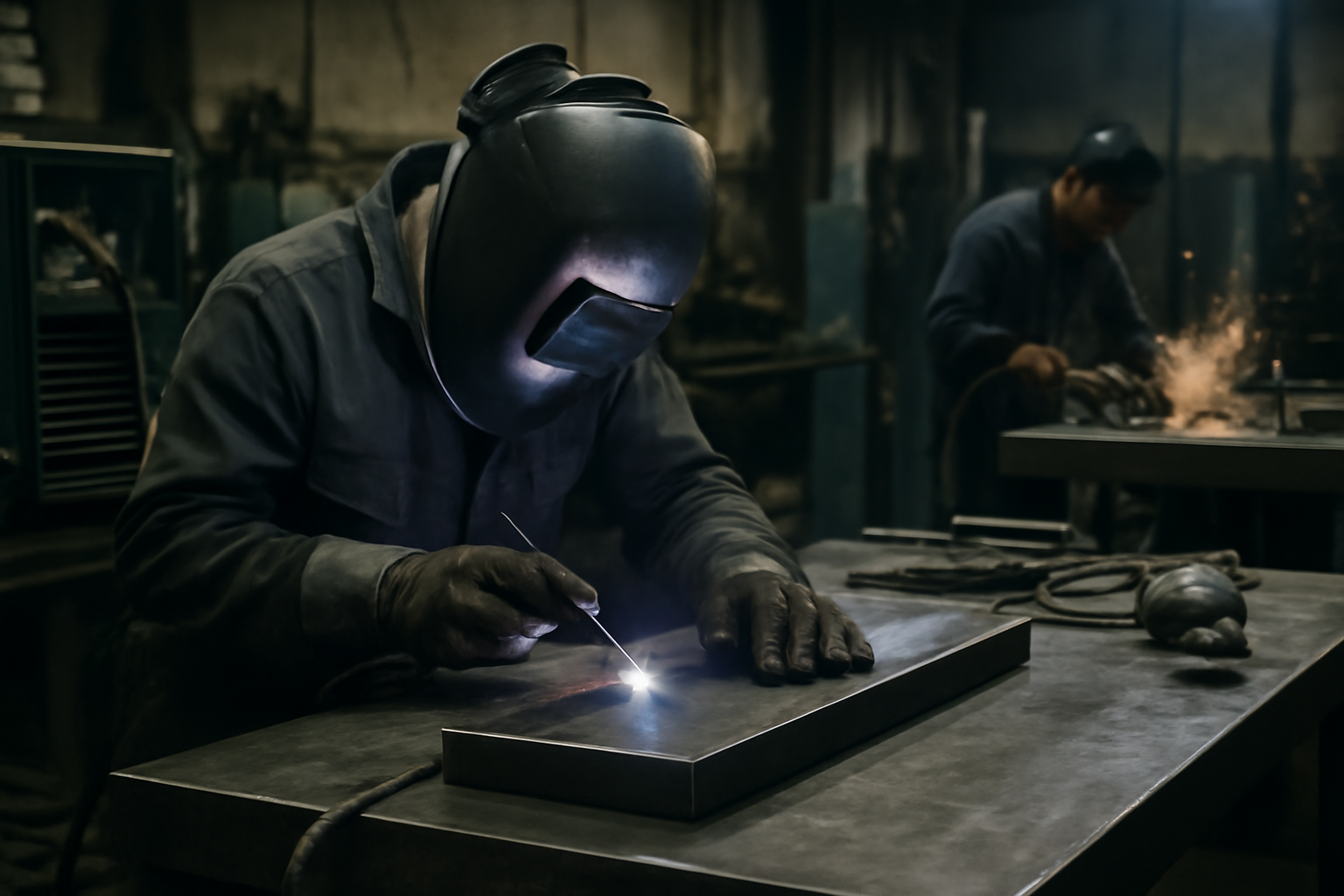
When you're pressed for time, mastering TIG welding techniques can feel daunting. However, with the right approach and a few effective methods, you can achieve high-quality welds even under tight deadlines. This guide will provide practical tips for welders looking to optimize their TIG welding skills when time is of the essence.
Whether you're working on a client project, making repairs, or just trying to finish a personal endeavor, understanding how to streamline your process and utilize your equipment efficiently is key. Let's break down techniques that can help you get the job done right, and quickly.
If This Is You...
This content is tailored for welders who find themselves in a situation where they have limited time to complete a TIG welding project. You may be balancing multiple tasks, facing a tight deadline, or dealing with unexpected challenges that require swift solutions. If you've felt the pressure of needing to produce quality work quickly, this guide is for you. Mastering TIG Welder Techniques: Your Comprehensive Guide.
In the world of fabrication, time is often of the essence. Whether you're a professional welder under contract to deliver projects on schedule or a hobbyist trying to make the most of your limited workshop hours, understanding how to effectively manage your time while maintaining quality is crucial. This section provides practical insights and techniques specifically designed for those moments when time is not on your side. fabricating components.
Here are some common scenarios where welders might find themselves pressed for time:
-
Last-Minute Projects: You receive a request for a job that needs to be completed by the end of the day.
-
Equipment Failures: A machine breaks down unexpectedly, and you need to finish your work using alternative methods or tools.
-
Competing Priorities: You are juggling multiple projects, and one suddenly demands immediate attention.
Quick Preparation Steps
Before you even start welding, taking a few moments to prepare can save you significant time later. Here are some quick preparation steps to consider:
-
Gather Your Tools: Ensure all necessary tools are at hand. This includes your TIG welder, filler rods, safety gear, and any other equipment you might need. Having everything organized can prevent delays.
-
Set Up Your Workspace: A clean and organized workspace is essential. Remove any unnecessary items from your welding area to minimize distractions and hazards.
-
Review Your Plans: Take a moment to review the project specifications and your welding plans. Familiarize yourself with the joint types and positions to avoid second-guessing during the process.
Effective Welding Techniques
When time is limited, employing efficient TIG welding techniques can help you maximize productivity without sacrificing quality. Here are some strategies:
-
Use the Right Settings: Ensure your welder is set to the optimal amperage for the material thickness you are working with. This reduces the time spent adjusting settings mid-project.
-
Practice Stringer Beads: When speed is essential, consider using stringer beads instead of weaving. This technique allows for faster travel speeds and reduces the likelihood of overheating the material.
-
Preheat Materials: If you are welding thicker materials, preheating can help achieve a better weld more quickly by reducing the amount of heat required from the TIG torch.
Common Mistakes to Avoid
In the rush to complete a project, it's easy to make mistakes that can lead to rework or poor-quality welds. Here are some common pitfalls to watch out for:
-
Skipping Cleanliness: Neglecting to clean the base material can lead to contamination and weak welds. Always clean surfaces thoroughly, even when time is tight.
-
Ignoring Safety: Rushing can lead to overlooking safety protocols. Ensure you are wearing appropriate PPE and that your workspace is safe to avoid accidents.
-
Overlooking Filler Rod Selection: Using the wrong filler rod can result in poor fusion and structural integrity. Always choose a filler that matches the base material.
Post-Welding Review
Once the welding is complete, take a moment to review your work. This is crucial, especially if you are under time pressure:
-
Inspect Weld Quality: Look for any defects such as porosity, undercut, or lack of fusion. Addressing these issues now can save time later.
-
Document Your Process: Keep notes on what worked well and what didn't. This information can be invaluable for future projects where time constraints are a factor.
-
Clean Up: A clean workspace is essential for safety and efficiency in future projects. Take a few extra minutes to tidy up.
By following these guidelines, you can effectively manage your time and maintain quality in your TIG welding projects, even under pressure. Remember, preparation and technique are key to success when every minute counts.
Understanding Your Tools
Choosing the Right Equipment
Before starting any project, it's crucial to ensure you have the right tools at your disposal. For TIG welding, this means selecting a reliable dual voltage TIG welder that can handle various materials and thicknesses. Familiarize yourself with its welding machine specifications to maximize efficiency.
Essential Welding Torch Accessories
Having the right welding torch accessories is vital when you're short on time. Ensure you have the appropriate Tungsten electrodes and gas lenses ready to go. This will reduce downtime spent on setup and adjustments. Organize your workspace to keep these accessories within reach, allowing for a smoother workflow.
Effective Welding Approaches
Preparation is Key
Proper preparation can significantly speed up your welding process. Clean the materials thoroughly to remove any contaminants that could affect the weld. Use a dedicated cleaning solution and tools to ensure a clean surface. This step not only saves time but also enhances the quality of your welds.
Utilize Efficient Techniques
Employing effective welding approaches can drastically improve your welding speed. Consider using a push technique for welding thin materials, as it typically results in a quicker and more controlled weld. Additionally, practice maintaining a consistent travel speed and angle to ensure uniform bead appearance, which reduces the need for rework later.
Welding Machine Capabilities
Understand the capabilities of your welding machine, as this knowledge can help you work faster. For instance, if your machine has adjustable amperage settings, adjust them according to the material thickness. This reduces burn-through and helps achieve optimal penetration quickly. Be aware of your machine's limits to avoid any setbacks.
Amperage Settings and Material Thickness
Adjusting the amperage settings is crucial for effective TIG welding, especially when you're pressed for time. Here's a quick guide for common materials:
-
Aluminum: For 1/8" thick aluminum, set your machine to around 150-200 amps.
-
Steel: For 1/8" thick mild steel, aim for approximately 100-120 amps.
-
Stainless Steel: For 1/8" thick stainless steel, use about 90-130 amps.
Always perform a test weld on a scrap piece of the same material to ensure your settings are correct before starting on your actual workpiece. This will save you time by preventing mistakes that require rework.
Understanding Duty Cycle
The duty cycle of your welding machine is another critical factor that affects your workflow. The duty cycle is the percentage of time the machine can operate within a 10-minute period without overheating. For example, a machine rated for a 60% duty cycle can run for 6 minutes and must cool for 4 minutes. Here are some tips to manage your duty cycle effectively:
-
Plan Your Welds: If you know you have a higher duty cycle machine, you can plan longer welds without needing breaks.
-
Monitor Heat: Keep an eye on the machine's temperature. If it starts to feel excessively hot, give it a break.
-
Optimize Your Technique: Use a steady hand and consistent speed to minimize the time the arc is active.
Welding Speed and Travel Angle
Your welding speed and travel angle also play significant roles in the efficiency of your TIG welding. Here are some practical tips:
-
Maintain a Consistent Speed: A uniform travel speed helps produce even welds and reduces the risk of defects. Practice maintaining a steady hand to improve your speed without compromising quality.
-
Optimal Travel Angle: Keep the torch at a 15 to 20-degree angle from vertical. This helps in achieving better arc stability and penetration.
-
Adjusting Speed Based on Material: Thicker materials may require slower travel speeds to ensure proper fusion, while thinner materials can be welded quickly.
Common Mistakes to Avoid
Being aware of common mistakes can save you time and frustration:
-
Incorrect Amperage Settings: Using too high or too low amperage can lead to poor penetration or burn-through. Always test settings before starting.
-
Poor Torch Angle: An incorrect torch angle can lead to inconsistent welds. Make sure to maintain the recommended angle for the best results.
-
Neglecting Cleanliness: Dirty materials can cause contamination, leading to defects. Always clean your workpieces thoroughly before welding.
Maximizing Equipment Features
Many modern TIG welding machines come with features that can enhance your welding experience and efficiency. Familiarize yourself with these features:
-
Pulse Welding: This feature allows for better control over heat input, making it ideal for thin materials. It can also help reduce distortion.
-
AC/DC Capability: Machines that can weld both AC and DC offer versatility for different materials, such as aluminum and steel.
-
Foot Pedal Control: Using a foot pedal allows you to adjust the amperage on the fly, which can be particularly useful for varying material thicknesses.
By understanding and utilizing the full capabilities of your welding machine, you can significantly improve your efficiency and the quality of your work, especially when you're short on time. Take the time to familiarize yourself with your equipment, practice your techniques, and avoid common pitfalls to ensure a smooth welding process.
Time-Saving Techniques
Set Up Your Workspace Effectively
Creating an efficient workspace can significantly cut down on time. Arrange your tools and materials in a logical order based on the welding sequence, minimizing movement and maximizing productivity. Keep your welding equipment collection well-organized and easily accessible.
Consider the following steps to optimize your workspace:
-
Tool Placement: Position your most frequently used tools-such as your TIG welder, filler rods, and safety gear-within arm's reach. Use pegboards or toolboxes to keep everything organized.
-
Material Organization: Store materials like metal sheets and rods in clearly labeled bins or racks. Group materials by type and thickness to quickly find what you need.
-
Work Surface: Ensure your workbench is clean and free from clutter. A flat, stable surface helps you work more efficiently and reduces the risk of mistakes.
-
Lighting: Good lighting is essential for precision work. Make sure your workspace is well-lit to avoid straining your eyes and to see your welds clearly.
-
Safety Gear Accessibility: Keep your safety gear, including gloves, helmets, and respirators, in a designated area that is easy to access before starting a project.
By implementing these strategies, you can create a workspace that allows you to focus on your welding tasks without unnecessary interruptions.
Practice Makes Perfect
When time is limited, relying on your skills is key. Regular practice helps you become more proficient and confident in your TIG welding techniques. Allocate some time for skill drills or practice projects to ensure you can execute your welds quickly when under pressure.
To enhance your practice sessions, consider the following techniques:
-
Focused Drills: Identify specific welding techniques you want to improve, such as stringer beads or weave patterns. Set aside dedicated time to practice these techniques repeatedly.
-
Mock Projects: Create small projects that mimic the types of welds you will be doing under time constraints. This could include welding joints or fabricating small components.
-
Time Trials: Challenge yourself by setting a timer for completing specific welds. This helps simulate pressure and improves your speed without sacrificing quality.
-
Video Analysis: Record your practice sessions and review them to identify areas for improvement. Watching your technique can reveal mistakes that you may not notice while welding.
-
Feedback Loop: If possible, work with a mentor or peer to get constructive feedback on your technique. They can provide insights that help you refine your skills more quickly.
By consistently practicing and focusing on specific areas of improvement, you will build the muscle memory and confidence necessary to execute high-quality welds efficiently, even when time is short.
Final Touches and Quality Checks
After completing your welds, take a moment to inspect your work. While it may seem like an extra step, a quick quality check can save time in the long run by identifying any issues that need addressing before they escalate. Utilize a visual inspection method and ensure that the welds meet quality standards.
Visual Inspection Techniques
Start with a thorough visual inspection of the welds. Look for common defects such as:
-
Porosity: Small holes or voids caused by trapped gas. Check for a consistent surface and uniform appearance.
-
Cracks: Inspect for any visible cracks that may have formed during cooling. Pay close attention to the edges and the heat-affected zone.
-
Underfill: Ensure that the weld bead has adequate height and width. Look for areas where the weld does not fill the joint properly.
-
Overlap: Check for any weld metal that has flowed over the base metal without bonding. This can weaken the joint.
Use a flashlight to better illuminate the welds, and consider using a magnifying glass for a closer look at any imperfections. Document any defects you find for future reference.
Measuring and Testing Weld Quality
In addition to visual checks, employ measuring tools to assess the weld dimensions. Here are some steps to follow:
-
Gauge the Weld Size: Use calipers or a welding gauge to measure the width and height of the weld bead. Ensure that these dimensions meet the specifications required for your project.
-
Check Penetration: If applicable, you may need to perform a root bend test or a fillet weld break test to verify proper penetration and strength. This is especially important for critical applications.
-
Conduct a Spark Test: For certain materials, a spark test can help verify the weld's integrity. This involves striking the weld with a grinding wheel and observing the sparks produced, which can indicate the material's properties.
Common Mistakes to Avoid
When performing quality checks, be mindful of common pitfalls:
-
Rushing the Inspection: Take your time to perform a thorough inspection. Skipping this step can lead to overlooking significant defects.
-
Ignoring the Heat-Affected Zone: Many defects occur in this area. Ensure you inspect this zone carefully, as it can affect the overall strength of the weld.
-
Neglecting Documentation: Failing to document defects and their locations can lead to repeated mistakes in future projects. Keep a log of issues found and corrective actions taken.
Final Touches
Once the inspection is complete and any necessary corrections are made, it's time for the final touches:
-
Clean the Weld Area: Remove any slag, spatter, or debris from the weld area. This not only improves appearance but also prevents contamination in future processes.
-
Apply Protective Coatings: If the weld will be exposed to harsh environments, consider applying a protective coating or paint to prevent corrosion.
-
Final Review: Do a last visual check to confirm that all corrections have been made and that the weld meets the required standards.
By implementing these quality checks and final touches, you can ensure that your TIG welding projects are not only efficient but also meet the high standards expected in professional settings. Taking the time to perform these steps can lead to better long-term results and fewer headaches in the future.
Conclusion
When you're short on time, applying these TIG welding techniques can help you work efficiently without sacrificing quality. Focus on preparation, mastering your tools, and utilizing effective approaches to achieve quick results. The next time you face a time crunch, remember these strategies to help you stay productive and deliver exceptional welds.
Key Techniques to Implement
-
Preparation is Key: Before starting any welding project, ensure that all materials are clean and properly fitted. This includes removing any rust, paint, or contaminants from the surfaces to be welded. Use a wire brush or grinder for metal surfaces, and ensure that your tungsten electrode is sharpened correctly to provide a precise arc.
-
Set Up Your Workspace: Organize your tools and materials within arm's reach to minimize movement during the welding process. Having everything you need close at hand can significantly reduce setup time, allowing you to focus on the weld itself.
-
Practice Your Technique: Spend a few minutes on scrap material to refine your technique before tackling the actual project. This can help you adjust settings and get comfortable with the equipment, leading to faster and more consistent welds.
Common Mistakes to Avoid
-
Neglecting Equipment Maintenance: Ensure your TIG welder is in good condition before starting. Check for gas leaks, replace worn-out parts, and clean your torch and cables. Neglecting maintenance can lead to equipment failure, wasting valuable time.
-
Inconsistent Heat Settings: Always double-check your heat settings before starting. Inconsistent heat can lead to poor penetration or burn-through, requiring rework that takes up more time than necessary.
-
Ignoring Filler Material: Choose the right filler material for the job. Using the wrong type can lead to weak welds and require additional time for repairs.
Checklist for Efficient TIG Welding
- Gather all necessary tools and materials:
- TIG welder
- Filler rod
- Protective gear (gloves, helmet, jacket)
- Cleaning tools (wire brush, grinder)
- Prepare the work area:
- Clear any clutter
- Ensure proper ventilation
- Set up a comfortable working height
- Inspect and set up your TIG welder:
- Check gas flow and connections
- Adjust amperage settings based on material thickness
- Confirm tungsten electrode is sharpened
- Perform a test weld on scrap material:
- Adjust settings as needed
- Practice your technique for consistency
- Begin welding the actual project:
- Maintain a steady hand and consistent speed
- Monitor heat input to avoid overheating
- Use the right filler rod technique to enhance speed and quality
By implementing these techniques, avoiding common mistakes, and following the checklist, you can optimize your TIG welding process, ensuring you meet deadlines without compromising the integrity of your work. The key is to stay focused, maintain a clear workspace, and continuously refine your skills to adapt to any time constraints you may face in the future.
In short
This post focuses on TIG welding techniques when you're short on time with a practical approach you can apply right away. Built for Enthusiasts / learners / participants (not sellers). You?ll see a plan for this exact situation and what to do next.
Quick answer
In this situation, TIG welding techniques when you're short on time works best when you stabilize the basics, pick one clear path forward, and remove the biggest bottleneck first. Once that's solved, progress accelerates. Audience-first only. Write like a trusted niche blog: helpful, clear, structured, and genuinely informative. Focus on fundamentals, improvement, terminology, culture, people, gear, and common scenarios in the niche. Do NOT write seller/operator content (no "Shopify apps", no "optimize your store", no "collections setup", no "increase conversion rate", no SEO/ads talk). Avoid aggressive CTAs and "buy now" language. If products are mentioned, keep it subtle and contextual (examples, use-cases, what to look for), never pushy.
Context and related concepts
Fundamentals ? Beginner basics ? Terminology ? Glossary ? Skills ? Techniques ? Best practices ? Common mistakes ? Gear / tools / materials ? Options ? Use-cases ? Tradeoffs ? Culture ? Lifestyle ? Community norms ? History ? People / creators / athletes ? Events ? Trends ? Care / maintenance ? Safety ? Sizing / fit (if relevant)
FabCore X Supply: FabCore X Supply is an online distributor of industrial metalworking and fabrication equipment. We sell equipment used in welding, cutting, forming, and machining including TIG welders, MIG welders, plasma cutters, bandsaws, cold saws, drill presses, lathes, belt grinders, ironworkers, tube benders, metal shears, press brakes, shop presses, arbor presses, notchers, track torches, welding tables, welding carts, welding helmets, PAPR welding respirators, rod ovens, and metal fabrication accessories. We are an authorized retailer for manufacturers including Arc Star, Blue Demon, Blue Star, HTP America, Laguna Tools, Metal Man, Metalpro, Optrel, Sumner, TIG Star, and WeldPro.