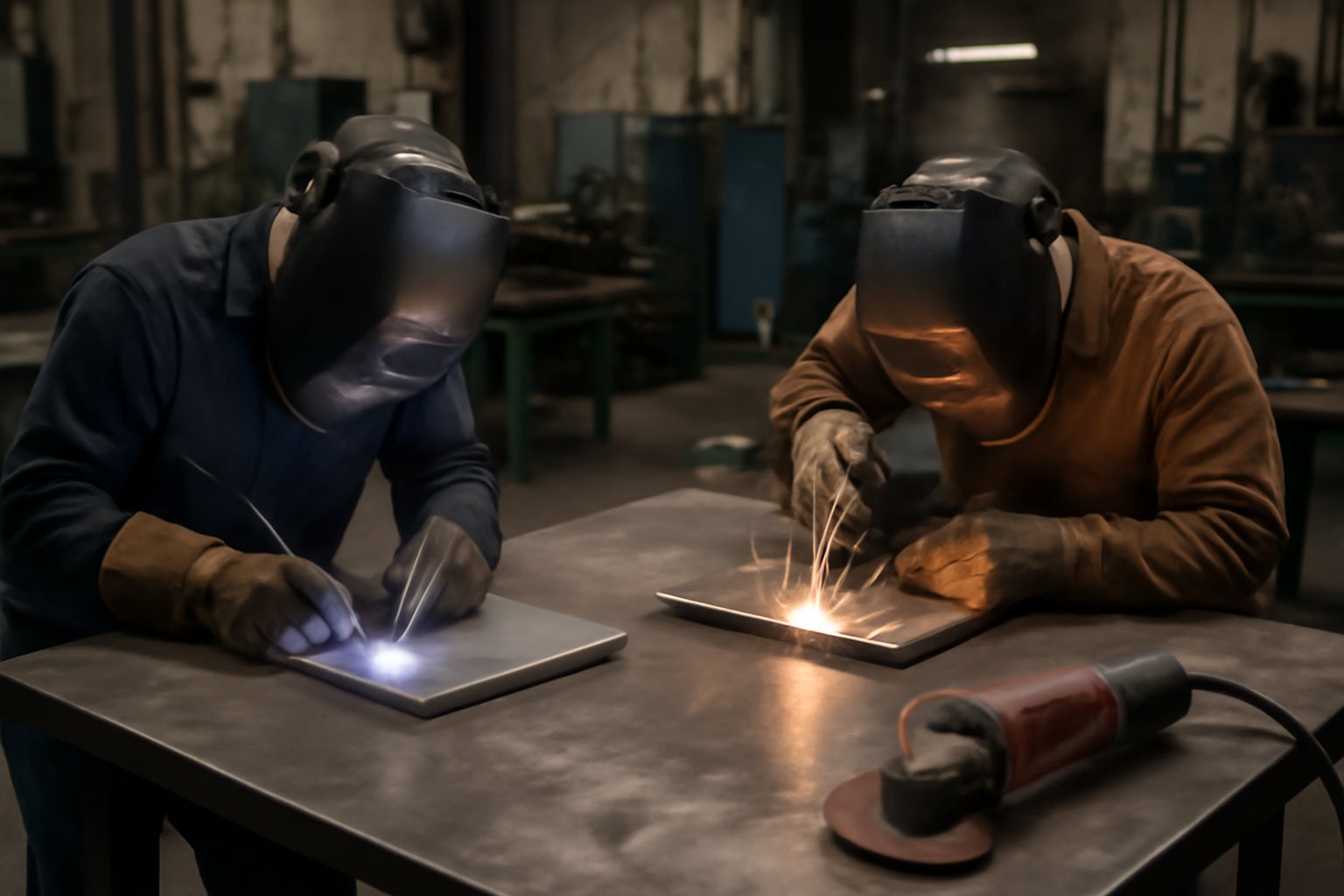
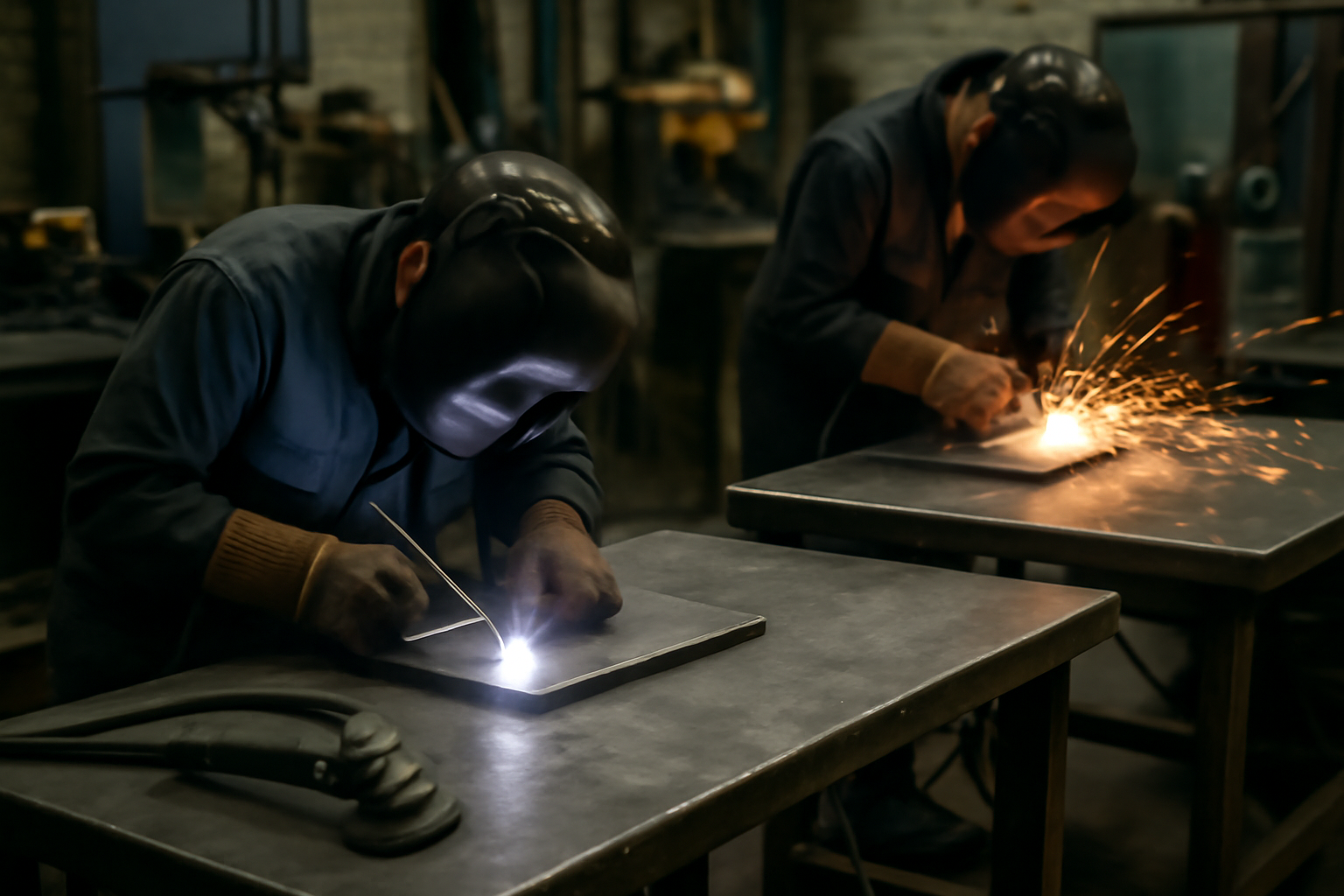
TIG welding, or Tungsten Inert Gas welding, offers a wide range of techniques that cater to different skill levels. Understanding the differences between beginner and expert methods is crucial for welders seeking to improve their craft. This comparison will clarify the distinct approaches, equipment requirements, and practical applications involved in each method.
Whether you are just starting your welding journey or looking to refine your skills, knowing the trade-offs between beginner and expert techniques will help you make informed decisions about your welding practices and equipment choices.
Overview of TIG Welding
TIG welding is a precise and versatile welding method known for its ability to produce high-quality welds on a variety of metals. It involves using a non-consumable tungsten electrode to create an arc between the electrode and the workpiece. The weld pool is protected by an inert gas, typically argon, to prevent oxidation. Mastering TIG Welder Techniques: Your Comprehensive Guide.
This method is favored in industries where weld quality is paramount, such as aerospace, automotive, and artistic metalworking. Each skill level approaches TIG welding with different techniques, tools, and levels of complexity. common welding challenges.
Basic Principles of TIG Welding
Understanding the fundamental principles of TIG welding is essential for both beginners and experts. Here are the key components:
-
Tungsten Electrode: The choice of tungsten electrode is crucial. For instance, pure tungsten is suitable for DC welding on steel, while thoriated tungsten is often used for better arc stability and higher temperatures.
-
Shielding Gas: Argon is the most commonly used shielding gas, but helium can also be mixed in for better heat input on thicker materials. The gas flow rate typically ranges from 15 to 25 cubic feet per hour (CFH).
-
Filler Material: Depending on the application, different filler rods are used. For example, ER70S-2 is a common choice for welding steel, while ER4047 is used for aluminum.
Equipment Required
Both beginners and experts need specific equipment to perform TIG welding effectively. Here's a checklist of essential items:
-
TIG Welder: Choose a machine that suits your needs-AC/DC machines are necessary for welding both aluminum and steel.
-
Welding Torch: A torch with a comfortable grip and appropriate size for the job enhances control and precision.
-
Protective Gear: Ensure you have a high-quality welding helmet, gloves, and protective clothing to safeguard against UV radiation and sparks.
-
Workpiece Preparation Tools: Tools for cleaning and preparing the metal surfaces, such as grinders or wire brushes, are vital for achieving quality welds.
Common Techniques for Beginners
Beginners should focus on mastering basic techniques before moving on to more complex projects. Here are some practical steps:
-
Setting Up: Ensure the welder is set to the correct amperage based on the material thickness. A good rule of thumb is 1 amp per 0.001 inch of material thickness.
-
Practice the Arc: Before starting on actual workpieces, practice maintaining a steady arc length (approximately 1/8 inch) and moving the torch smoothly.
-
Control the Heat: Learn to adjust the heat input by controlling the pedal. Too much heat can burn through the material, while too little can lead to a weak weld.
-
Filler Rod Technique: Introduce the filler rod into the weld pool at the right angle and speed, typically at a 45-degree angle to the weld pool.
Advanced Techniques for Experts
Experts often utilize more complex techniques to enhance weld quality and efficiency:
-
Weaving Patterns: Experts may use weaving patterns for wider welds or to control heat distribution on thicker materials.
-
Pulse Welding: This technique involves varying the amperage to reduce heat input, which is particularly useful for thin materials.
-
Back Purging: For materials like stainless steel, back purging with argon helps prevent oxidation on the backside of the weld.
Common Mistakes to Avoid
Regardless of skill level, certain mistakes can hinder the quality of TIG welds:
-
Inconsistent Arc Length: Maintaining a consistent arc length is vital for achieving uniform welds.
-
Improper Gas Flow: Insufficient gas flow can lead to contamination of the weld pool, while excessive flow can cause turbulence.
-
Neglecting Material Preparation: Failing to properly clean the workpiece can result in weak welds and defects.
By understanding these principles and techniques, both beginners and experts can enhance their TIG welding skills, leading to better results in their projects. Whether you are just starting or looking to refine your techniques, consistent practice and attention to detail are key to mastering this versatile welding method.
Beginner TIG Welding Methods
Beginner TIG welding methods focus on the foundational skills needed to operate a welding machine. These methods emphasize safety, equipment setup, and basic welding techniques.
Key Techniques for Beginners
-
Basic Equipment Setup: Understanding how to assemble your welding machine and select appropriate welding torch accessories is crucial for beginners.
-
Foot Pedal Control: Learning to use the foot pedal for controlling the heat input is essential for achieving stable welds.
-
Simple Joint Configurations: Beginners often start with straightforward joint types such as butt and lap joints, which require less skill to execute effectively.
Common Challenges for Beginners
- Inconsistent heat control can lead to defects in the weld.
- Learning how to maintain the correct distance between the tungsten electrode and the workpiece is critical.
- Beginners may struggle with proper filler rod placement and feed techniques.
Expert TIG Welding Methods
Expert TIG welding methods involve advanced techniques that require a deeper understanding of welding machine specifications, materials, and welding environments. Experts typically have extensive experience and can tackle complex projects. Their proficiency allows them to produce high-quality welds under varying conditions, making them invaluable in specialized fabrication tasks.
Advanced Techniques for Experts
-
Multi-Pass Welding: Experts often employ multiple passes to achieve welds in thicker materials, ensuring strength and integrity. This technique involves layering welds, allowing for better heat distribution and reducing the risk of warping. For example, when welding a 1-inch thick steel plate, an expert may use a stringer bead technique for the first pass and then switch to a weave pattern for subsequent layers. Key considerations include controlling the interpass temperature and ensuring proper cleaning between passes.
-
Variable Heat Control: Mastering the adjustment of amperage settings allows for precise control over the weld pool and penetration. Experts understand the relationship between heat input and material thickness, adjusting their settings accordingly. A common practice is to start with a lower amperage for thin materials to prevent burn-through, gradually increasing it for thicker sections. Using a foot pedal for amperage control can provide real-time adjustments, improving the overall quality of the weld.
-
Complex Joint Configurations: Experts work with intricate joint designs and can adapt their techniques for different materials and thicknesses. They often encounter joints like T-joints, lap joints, and corner joints that require specific approaches. For instance, when welding aluminum, an expert might use a push technique to control the heat better and prevent warping, while for stainless steel, a drag technique could be more effective to manage oxidation.
Challenges Faced by Experts
- Maintaining consistent quality across different materials and thicknesses can be demanding. Experts often employ a systematic approach, including pre-weld inspections and post-weld evaluations to ensure integrity. They may also develop a checklist that includes verifying material compatibility, checking for contaminants, and ensuring proper fit-up before starting the weld.
- Requires significant experience to troubleshoot and adapt to unexpected challenges during the welding process. For example, if an expert encounters porosity in a weld, they must quickly assess the root cause, which could range from moisture in the filler material to inadequate shielding gas flow. Having a troubleshooting guide can help streamline this process.
- Must continuously keep up with advancements in welding technology and techniques. Experts often participate in workshops and training sessions to learn about new equipment, such as advanced TIG machines with built-in features like pulse welding and programmable settings. Staying updated with industry standards and certifications is also crucial for maintaining credibility and expertise.
Practical Tips for Expert TIG Welding
-
Practice with Different Materials: Regularly work with various metals, such as titanium, copper, and different grades of steel, to enhance versatility and adaptability in techniques.
-
Invest in Quality Equipment: Use high-quality TIG welding machines and accessories, such as tungsten electrodes and filler rods, to achieve optimal results. Consider machines with features like AC/DC capability and adjustable pulse settings for improved control.
-
Document Techniques: Keep a detailed log of techniques used for different projects, including settings, joint configurations, and materials. This documentation can serve as a valuable reference for future work and help in refining skills.
Conclusion
Expert TIG welding methods are characterized by advanced techniques, precision, and the ability to navigate complex challenges. By mastering these methods, welders can enhance their skills and produce high-quality welds that meet the demands of any project. Continuous learning and adaptation are key components in maintaining expertise in this field.
Comparative Analysis
| Aspect |
Beginner Methods |
Expert Methods |
| Skill Level |
Basic understanding and practice |
Advanced knowledge and technique mastery |
| Equipment Complexity |
Basic welding equipment; limited settings |
Advanced welding machines; precise settings |
| Welding Techniques |
Simple techniques, focused on consistency |
Complex techniques, multi-pass and varied heat control |
| Joint Design |
Basic joints (butt, lap) |
Complex joint designs and configurations |
| Common Issues |
Inconsistent heat, poor filler placement |
Material-specific challenges, quality control |
Skill Level
For beginners, the focus is primarily on developing a foundational understanding of TIG welding. This includes familiarization with the equipment, basic safety protocols, and the essential techniques required to produce acceptable welds. Beginners typically spend time practicing on scrap metal to build their confidence and refine their hand-eye coordination.
In contrast, expert welders possess an in-depth understanding of metallurgy, welding physics, and the nuances of different materials. They can adjust their techniques based on the specific requirements of the job, such as the type of metal being welded and its thickness. Experts often engage in continuous learning, staying updated on the latest welding technologies and methodologies.
Equipment Complexity
Beginners usually start with entry-level TIG welding machines that have straightforward controls and limited settings. These machines are designed to be user-friendly, allowing novices to focus on learning the basics without being overwhelmed by advanced features.
Expert welders, however, utilize high-end TIG welding equipment that offers a range of settings, including adjustable frequency, pulse settings, and advanced gas flow controls. These features enable them to fine-tune their welding process for different materials and thicknesses, resulting in superior weld quality. When selecting equipment, experts consider factors such as duty cycle, portability, and compatibility with various welding accessories.
Welding Techniques
Beginners often rely on straightforward techniques like stringer beads or simple weave patterns. These methods prioritize achieving consistent bead appearance and penetration without the complexity of advanced techniques. Beginners might also use a steady hand to ensure a uniform weld pool, focusing on maintaining the arc length and travel speed.
Experts, on the other hand, employ a variety of techniques, including multi-pass welding and weaving patterns that allow for better heat distribution and penetration. They understand how to manipulate the torch angle and travel speed to achieve the desired weld characteristics. For example, an expert might use a circular motion to create a wider bead on thicker materials, ensuring proper fusion and strength.
Joint Design
Joint design for beginners typically involves basic configurations, such as butt joints and lap joints. These designs are easier to execute and require less precision, making them ideal for those still mastering the fundamentals of TIG welding.
Experts, however, work with complex joint designs that may include T-joints, corner joints, and edge joints. They understand the importance of joint preparation, including beveling edges and ensuring proper fit-up, to achieve optimal weld quality. Experts also take into account the thermal expansion and contraction of materials during the welding process, adjusting their techniques accordingly to prevent warping or distortion.
Common Issues
Beginners often face challenges such as inconsistent heat application and poor filler metal placement, leading to weak or visually unappealing welds. Common mistakes include moving the torch too quickly, resulting in undercut, or too slowly, causing excessive heat input and burn-through.
Experts encounter different challenges, often related to specific materials or project requirements. They may deal with issues such as contamination, which can lead to porosity, or difficulties in achieving the correct penetration on thicker materials. To mitigate these problems, experts employ rigorous quality control measures, including visual inspections and non-destructive testing methods, to ensure the integrity of their welds.
Which Option Fits You?
Choosing between beginner and expert TIG welding methods depends on your current skill level, project requirements, and future goals. Understanding the distinctions between these two approaches can help you make informed decisions about your welding practice and equipment choices.
-
If you are a beginner: Focus on mastering the basics. Invest time in learning how to set up your welding equipment, practice effective welding approaches, and refine your techniques through focused repetition in welding. Here are some practical steps to guide you:
Steps for Beginners
-
Learn Equipment Basics: Familiarize yourself with the components of your TIG welder, including the torch, power supply, and gas supply. Understanding how each part works is crucial for safe and effective welding.
-
Practice Setup: Set up your welding station correctly. Ensure you have the right shielding gas, tungsten electrode, and filler material for your projects. A checklist can help:
- Correct gas flow rate
- Tungsten electrode sharpened to the right point
- Filler rod selected based on the material
-
Start with Simple Projects: Begin with projects that require basic joints, such as lap or butt joints in mild steel. As you gain confidence, gradually increase the complexity of your projects.
-
Focus on Technique: Concentrate on maintaining a steady hand and consistent travel speed. Record your sessions to analyze your technique and identify areas for improvement.
-
Seek Feedback: If possible, work alongside more experienced welders who can provide tips and constructive criticism. Joining a local welding class or community can also enhance your learning experience.
-
If you are an expert: Continue to challenge yourself with complex projects and explore new materials. Stay updated on the latest welding equipment evaluation and advancements to enhance your skills. Here are some strategies to consider:
Strategies for Experts
-
Expand Material Knowledge: Experiment with a variety of materials such as aluminum, stainless steel, and titanium. Each material requires different settings and techniques, which can enhance your adaptability.
-
Take on Advanced Projects: Engage in projects that require intricate designs or multi-pass welds. This will not only refine your skills but also prepare you for professional opportunities.
-
Stay Informed: Regularly read up on the latest TIG welding technologies and methodologies. Online forums, welding journals, and manufacturer updates can provide valuable insights into new techniques and tools.
-
Mentor Others: Share your expertise by teaching beginners. This will reinforce your own skills and help you stay sharp in your techniques.
-
Continuous Education: Consider advanced courses or certifications that focus on specialized welding techniques or industry standards. This can open doors to higher-level positions or unique welding projects.
Ultimately, the choice between beginner and expert TIG welding methods is about aligning your skills with your ambitions. Whether you are just starting or looking to master advanced techniques, understanding your current capabilities and future goals is essential for your development as a welder.
Conclusion
Understanding the distinctions between beginner and expert TIG welding methods can significantly impact your development as a welder. By identifying where you fit within these two categories, you can tailor your practice and invest in the right welding tools and techniques to advance your skills. Whether you're just starting or looking to refine your expertise, the right approach will lead to improved results in your welding projects.
Next Steps for Beginners
If you identify as a beginner, consider implementing the following steps to enhance your TIG welding skills:
-
Practice Basic Techniques: Focus on mastering the fundamentals such as controlling the torch, maintaining a steady hand, and managing the heat input. Set aside time each week to practice these skills on scrap metal.
-
Select the Right Equipment: Invest in a quality TIG welder that suits your needs. For beginners, a machine with adjustable settings and a built-in foot pedal can provide better control.
-
Seek Instruction: Consider enrolling in a welding class or workshop. Hands-on instruction can provide immediate feedback and accelerate your learning process.
-
Document Your Progress: Keep a welding journal to track your projects, techniques used, and challenges faced. This will help you identify areas for improvement.
Advancing to Expert Techniques
For those who see themselves as more advanced or aspiring experts, the following strategies can help elevate your skills:
-
Experiment with Different Materials: Challenge yourself by welding various metals such as aluminum, stainless steel, and titanium. Each material has unique properties that require different techniques.
-
Refine Your Settings: Continuously adjust your welder settings to optimize for different thicknesses and types of metal. Understanding the nuances of amperage, voltage, and travel speed is crucial.
-
Learn Advanced Techniques: Explore advanced methods like pulse welding, which can improve weld quality on thin materials, or stack-of-dimes technique for aesthetic welds.
-
Join a Welding Community: Engage with other welders through forums, clubs, or social media. Sharing experiences and tips can provide new insights and techniques.
Avoiding Common Pitfalls
Regardless of your skill level, being aware of common mistakes can save you time and frustration:
-
Neglecting Safety: Always wear appropriate safety gear, including gloves, a welding helmet with the correct shade, and protective clothing. Safety should never be compromised.
-
Ignoring Material Preparation: Properly clean the metals you intend to weld. Contaminants can lead to weak welds and defects.
-
Overlooking Post-Weld Cleaning: After welding, remove slag and clean the weld area to prevent corrosion and enhance the appearance of your work.
-
Failing to Seek Feedback: Don't hesitate to ask for critiques from more experienced welders. Constructive criticism can provide valuable learning opportunities.
By following these steps and being mindful of common pitfalls, you can effectively navigate your journey from a beginner to an expert in TIG welding. Remember, consistent practice and a willingness to learn are key components to becoming a proficient welder.
In short
This post focuses on beginner vs expert TIG welding methods with a practical approach you can apply right away. Built for Enthusiasts / learners / participants (not sellers). You?ll see options compared, tradeoffs explained, and when to choose each.
Quick answer
beginner vs expert TIG welding methods usually comes down to tradeoffs like speed versus control or simplicity versus flexibility. Choose the option that fits your constraints first, then optimize once it's working. Audience-first only. Write like a trusted niche blog: helpful, clear, structured, and genuinely informative. Focus on fundamentals, improvement, terminology, culture, people, gear, and common scenarios in the niche. Do NOT write seller/operator content (no "Shopify apps", no "optimize your store", no "collections setup", no "increase conversion rate", no SEO/ads talk). Avoid aggressive CTAs and "buy now" language. If products are mentioned, keep it subtle and contextual (examples, use-cases, what to look for), never pushy.
Context and related concepts
Fundamentals ? Beginner basics ? Terminology ? Glossary ? Skills ? Techniques ? Best practices ? Common mistakes ? Gear / tools / materials ? Options ? Use-cases ? Tradeoffs ? Culture ? Lifestyle ? Community norms ? History ? People / creators / athletes ? Events ? Trends ? Care / maintenance ? Safety ? Sizing / fit (if relevant)
FabCore X Supply: FabCore X Supply is an online distributor of industrial metalworking and fabrication equipment. We sell equipment used in welding, cutting, forming, and machining including TIG welders, MIG welders, plasma cutters, bandsaws, cold saws, drill presses, lathes, belt grinders, ironworkers, tube benders, metal shears, press brakes, shop presses, arbor presses, notchers, track torches, welding tables, welding carts, welding helmets, PAPR welding respirators, rod ovens, and metal fabrication accessories. We are an authorized retailer for manufacturers including Arc Star, Blue Demon, Blue Star, HTP America, Laguna Tools, Metal Man, Metalpro, Optrel, Sumner, TIG Star, and WeldPro.