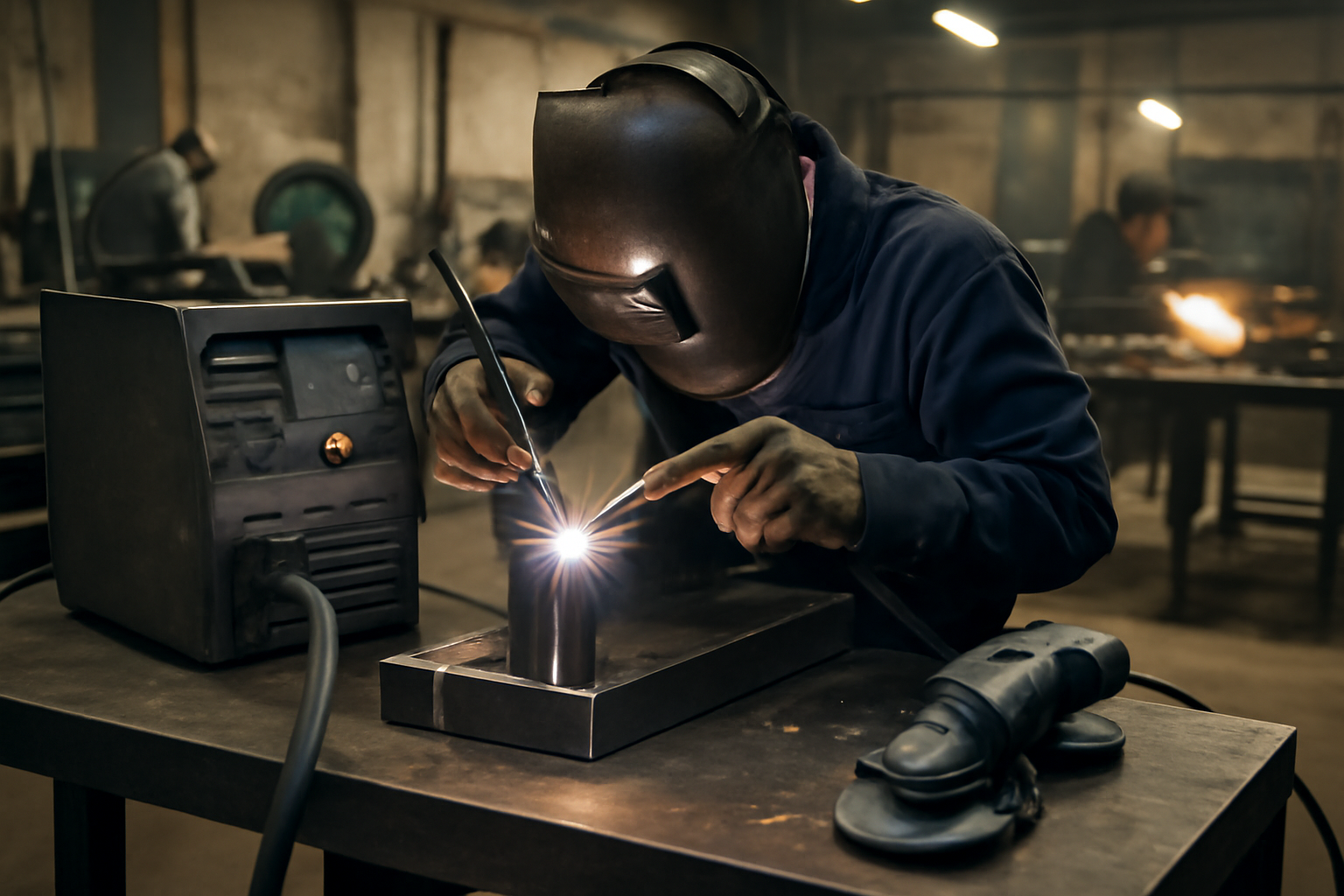
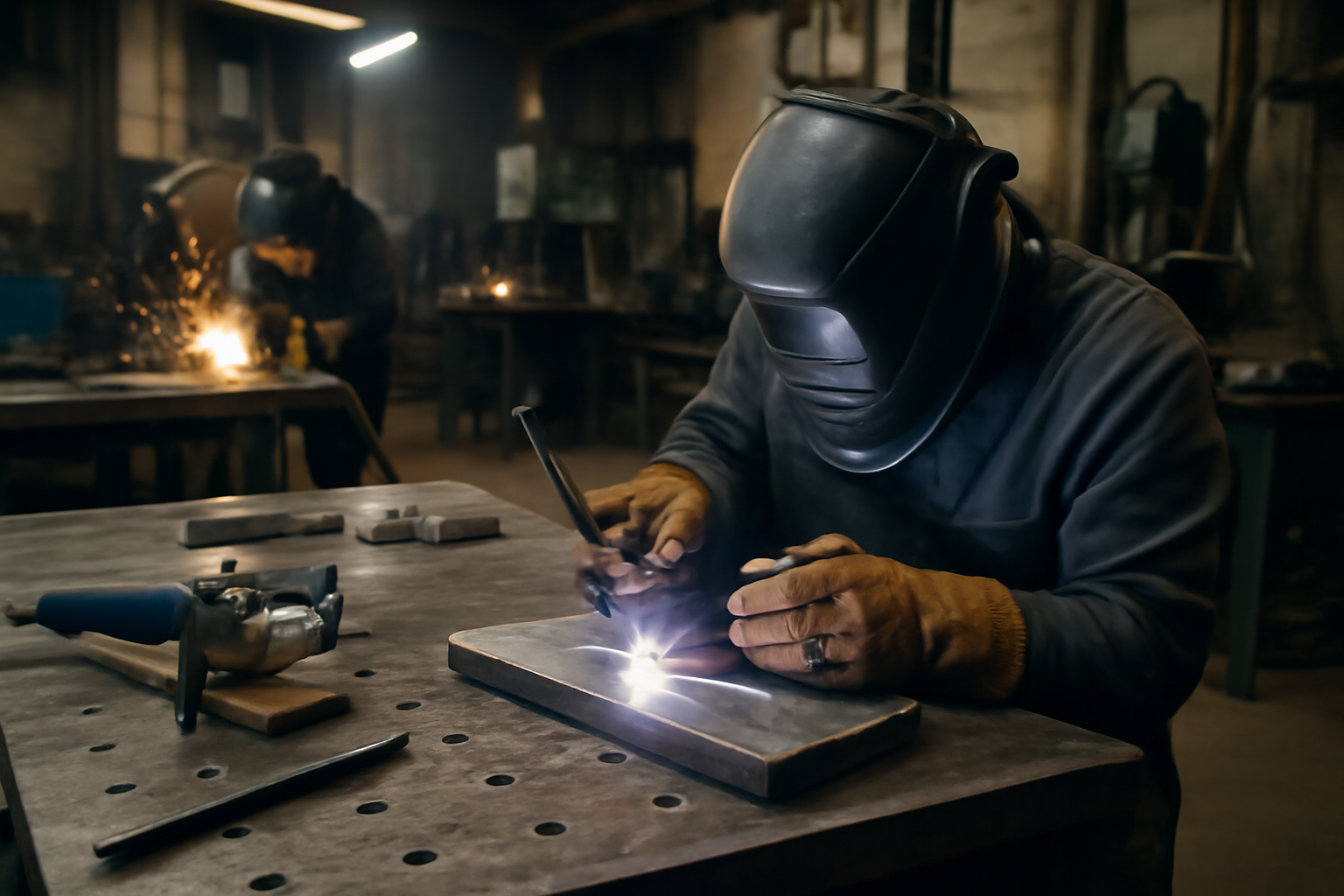
TIG welding, or Tungsten Inert Gas welding, is a popular method among fabricators and welders for its precision and versatility. However, many question its value and whether it's worth the investment compared to other welding techniques. In this FAQ, we address common inquiries to help you understand the benefits and considerations of TIG welding.
Whether you are a seasoned professional or a hobbyist, knowing the ins and outs of TIG welding can guide your decision-making process. Here, we break down important aspects of this welding method to clarify its worth in various applications.
1. Is TIG welding worth the investment for beginners?
Yes, TIG welding can be worth the investment for beginners, especially if precision and quality are priorities. While the learning curve may be steeper compared to MIG welding, the skills gained from mastering TIG can lead to better overall welding quality and versatility. Beginners should consider starting with a dual voltage TIG welder, as it allows for greater flexibility in power sources. Mastering TIG Welder Techniques: Your Comprehensive Guide.
2. What are the primary advantages of TIG welding?
The primary advantages of TIG welding include its ability to produce high-quality, clean welds with minimal spatter. It offers excellent control, making it ideal for thin materials and intricate designs. Additionally, TIG welding is versatile, suitable for various metals such as aluminum, stainless steel, and even exotic alloys, making it a valuable addition to any welding equipment collection. challenges of TIG welding.
1. Superior Weld Quality
TIG welding is known for its exceptional weld quality. The process allows for precise control over the heat input, which is critical when working with thin materials. This results in less distortion and warping compared to other welding methods. To achieve the best results, consider the following:
-
Use the right filler material: Select a filler rod that matches the base metal to ensure a strong bond.
-
Adjust amperage settings: Tailor the amperage based on the thickness of the material to prevent burn-through.
-
Maintain a steady hand: Practice steady movement to create uniform beads and avoid defects.
2. Minimal Spatter and Cleanliness
One of the significant benefits of TIG welding is the minimal spatter it produces. This characteristic reduces the need for post-weld cleanup, saving time and resources. To maximize cleanliness during the welding process:
-
Ensure proper gas coverage: Use pure argon or argon mixtures to shield the weld area effectively, preventing contamination.
-
Maintain a clean work environment: Keep the base material free from rust, oil, and dirt to avoid impurities in the weld.
-
Practice good technique: Employ a steady travel speed and angle to minimize the introduction of unnecessary filler material.
3. Versatility with Different Materials
TIG welding is not limited to just one type of material, making it an excellent choice for various applications. Here are some materials that TIG welding excels with:
-
Aluminum: TIG welding is particularly effective for aluminum due to its ability to handle thin sections and complex shapes.
-
Stainless Steel: The process produces strong, clean welds that maintain the material's corrosion resistance.
-
Exotic Alloys: Materials like titanium and magnesium can also be welded with TIG, making it suitable for specialized applications.
4. Control and Precision
The level of control offered by TIG welding is unmatched. This control allows for intricate designs and precision work, which is crucial in industries such as aerospace, automotive, and art fabrication. To harness this advantage:
-
Practice with different torch angles: Experiment with the torch angle to find the most comfortable position that allows for precise control.
-
Utilize foot pedals: Invest in a TIG welder with a foot pedal to adjust amperage on the fly, providing better control over heat input.
-
Focus on technique: Spend time developing your technique, as the ability to manipulate the puddle is essential for achieving high-quality welds.
5. Low Heat Input
TIG welding operates at lower heat levels compared to other welding processes like MIG or stick welding. This feature is particularly beneficial when working with heat-sensitive materials or thin sections. To take advantage of low heat input:
-
Use appropriate tungsten electrodes: Select the right tungsten type and size to match your application, ensuring efficient heat transfer.
-
Control travel speed: A slower travel speed can help maintain lower heat input, reducing the risk of warping.
-
Monitor the weld pool: Keep a close eye on the weld pool to adjust your technique as needed, preventing overheating.
6. Ideal for Thin Materials
TIG welding is particularly advantageous for welding thin materials, where precision is critical. It allows for tight control over the heat, reducing the chances of burn-through. When welding thin materials, consider:
-
Choosing the right filler rod: Use a filler rod that is compatible with the base material and appropriate for the thickness.
-
Setting the correct amperage: Lower amperage settings are usually required to avoid melting through the material.
-
Practicing on scrap metal: Before tackling the final project, practice on scrap pieces to refine your technique and settings.
In summary, the advantages of TIG welding make it a worthwhile investment for those looking to achieve high-quality, versatile, and precise welds. By understanding and implementing the best practices associated with TIG welding, operators can maximize the benefits and ensure successful outcomes in their projects.
3. What are the costs associated with TIG welding?
The costs of TIG welding can vary significantly based on the equipment and materials used. Initial investments include the welding machine, which can range from a few hundred to several thousand dollars, depending on features and capabilities. Additionally, costs for welding torch accessories, tungsten electrodes, and shielding gas can add up, but the durability and quality of TIG welds can offset these expenses in the long run.
4. How does TIG welding compare to other methods?
TIG welding is often compared to MIG and Stick welding. While MIG welding is generally faster and easier to learn, TIG welding excels in precision and cleanliness. Stick welding is more suited for outdoor work and thicker materials. Ultimately, the choice depends on the specific application and desired results, with each method offering distinct advantages and drawbacks.
MIG Welding vs. TIG Welding
MIG (Metal Inert Gas) welding is a popular choice for many metalworking applications due to its speed and ease of use. Here are some key differences:
-
Speed: MIG welding is typically faster than TIG. The continuous feed of the wire allows for quicker welds, making it ideal for production environments.
-
Ease of Learning: MIG welding is often recommended for beginners because of its relatively simple setup and operation. The process is more forgiving, allowing for easier adjustments.
-
Material Thickness: MIG welding can handle a wider range of material thicknesses effectively, especially when working with thicker metals.
-
Weld Quality: While MIG produces good welds, TIG welding provides superior control over the heat and filler material, resulting in cleaner and more precise welds, especially on thin materials.
When deciding between MIG and TIG, consider the following:
- Assess the materials you will be working with. For thin metals or applications requiring high precision, TIG may be the better choice.
- Evaluate your skill level. If you are new to welding, starting with MIG can help build confidence before moving to the more complex TIG process.
- Consider the production speed required. For high-volume work, MIG may be more efficient.
Stick Welding vs. TIG Welding
Stick welding, or Shielded Metal Arc Welding (SMAW), is another common method, particularly in outdoor and industrial settings. Here's how it stacks up against TIG:
-
Portability: Stick welding equipment is generally more portable and can be used in remote locations without the need for shielding gas, making it ideal for outdoor jobs.
-
Material Versatility: Stick welding is effective on a variety of materials, including rusty or dirty metals, which can be a limitation for TIG welding.
-
Weld Penetration: Stick welding provides deeper penetration, making it suitable for thicker materials and structural applications.
-
Weld Cleanliness: TIG welding produces cleaner welds with less spatter, while stick welding may require more cleanup after the weld due to slag.
When choosing between Stick and TIG welding, keep these factors in mind:
- Determine the working environment. If you are working outdoors or in less-than-ideal conditions, Stick welding may be more practical.
- Evaluate the thickness of the materials. For thicker metals, Stick welding may be more effective due to its penetration capabilities.
- Consider the desired weld appearance. If aesthetics and precision are important, TIG welding may be the preferred method.
Common Mistakes When Choosing a Welding Method
When comparing welding methods, it's easy to make mistakes that can impact the quality of your work. Here are some common pitfalls to avoid:
-
Not Matching the Method to the Material: Always consider the type and thickness of the material you will be welding. Using the wrong method can lead to poor weld quality.
-
Ignoring the Environment: Outdoor conditions can significantly affect welding performance. For instance, wind can disrupt shielding gas for MIG and TIG, making Stick welding a better choice in such scenarios.
-
Underestimating Skill Level: Overestimating your abilities can lead to frustration. Choose a method that matches your current skill level while allowing room for growth.
Conclusion
In summary, each welding method has its unique advantages and drawbacks. MIG welding is ideal for speed and ease of use, Stick welding excels in outdoor and thicker material applications, while TIG welding offers unmatched precision and cleanliness. Understanding these differences will help you make informed decisions based on your specific welding needs and project requirements.
5. What types of projects benefit most from TIG welding?
Projects that require high precision, such as aerospace components, automotive exhaust systems, and artistic metalwork, benefit significantly from TIG welding. Its ability to produce clean, strong welds makes it ideal for applications where aesthetics and structural integrity are critical. Additionally, when working with thin materials, the control provided by TIG welding minimizes warping and damage.
Aerospace Components
Aerospace applications demand the utmost precision and reliability. TIG welding is often used to join aluminum and titanium components due to its ability to create strong, lightweight joints that can withstand extreme conditions. For example, fuel tanks and structural frames are often TIG welded to ensure they meet stringent safety and performance standards. When working on these projects, it's crucial to:
- Use filler materials that are compatible with the base metals.
- Maintain a clean working environment to prevent contamination.
- Utilize proper preheating techniques to avoid cracking in high-strength alloys.
Automotive Exhaust Systems
In automotive applications, TIG welding is favored for exhaust systems, particularly when working with stainless steel. The process allows for precise welds that can handle the thermal expansion and contraction experienced in exhaust systems. Key considerations for this type of project include:
- Choosing the right tungsten electrode size and type for the material thickness.
- Adjusting the amperage based on the gauge of the exhaust tubing to avoid burn-through.
- Using back purging techniques for stainless steel to prevent oxidation on the inside of the weld.
Artistic Metalwork
For artists and fabricators creating sculptures or intricate designs, TIG welding provides the control needed to produce aesthetically pleasing welds. Projects may include decorative gates, railings, or sculptures where visual appeal is paramount. To achieve the best results, consider the following:
- Experiment with different filler materials to enhance the visual effects of the weld.
- Practice on scrap pieces to perfect your technique before working on the final piece.
- Utilize a foot pedal to control the heat input dynamically, allowing for greater flexibility during the welding process.
Thin Material Fabrication
TIG welding excels in applications involving thin materials, such as sheet metal or tubing. The precise control of the heat input minimizes the risk of warping or burning through the material. Common projects include:
- Fabricating motorcycle frames or bicycle components where weight and strength are critical.
- Creating custom enclosures or brackets for electronic equipment.
- Welding thin gauge metals in HVAC systems.
When working with thin materials, it's essential to:
- Use a smaller diameter tungsten electrode to focus the heat more effectively.
- Adjust your travel speed to ensure even heat distribution and penetration.
- Consider using a pulsed TIG welding technique to further control heat input and reduce distortion.
Common Mistakes to Avoid
While TIG welding is a versatile and precise method, there are common pitfalls that can affect the quality of your projects:
-
Poor Preparation: Failing to clean the base materials can lead to contamination, resulting in weak welds.
-
Incorrect Amperage Settings: Using too high or too low of an amperage can cause burn-through or insufficient penetration.
-
Lack of Practice: TIG welding requires skill and control. Regular practice on scrap material can help refine your technique.
By understanding the types of projects that benefit from TIG welding and avoiding common mistakes, you can maximize the effectiveness of your welding efforts and achieve high-quality results in your work. Whether you are in aerospace, automotive, or artistic fabrication, TIG welding offers the precision and control necessary for exceptional outcomes.
6. Are there specific challenges with TIG welding?
Yes, there are challenges associated with TIG welding. One of the most notable is the need for a steady hand and precise control, which can be difficult for beginners. Additionally, the process can be slower than other welding methods, which may not be ideal for high-volume production settings. Understanding why TIG welding is difficult can help new welders prepare for these challenges and develop effective welding approaches.
7. How can I improve my TIG welding skills?
Improving TIG welding skills involves practice and understanding the nuances of the process. Regularly practicing different joint types and materials is essential. Additionally, studying welding machine specifications and experimenting with settings can lead to better results. Joining welding classes or forums can also provide valuable tips and support from experienced welders.
1. Regular Practice
Consistency is key in mastering TIG welding. Set aside dedicated time each week to practice. Focus on different aspects of the welding process during each session:
-
Joint Types: Practice various joint configurations such as butt, lap, and T-joints. Each type requires different techniques and approaches.
-
Materials: Work with a range of materials, including aluminum, stainless steel, and mild steel. Each material behaves differently under the arc and requires specific handling.
-
Positions: Weld in different positions (flat, horizontal, vertical, and overhead) to build versatility and adaptability.
2. Understanding Machine Settings
Familiarize yourself with your TIG welder's settings. Each machine has different parameters that affect the weld quality:
-
Amperage: Adjust the amperage based on the material thickness. A good rule of thumb is 1 amp per 0.001 inch of material thickness.
-
Gas Flow Rate: Ensure the argon flow rate is set correctly. A typical range is 15-20 cubic feet per hour (CFH) for most applications.
-
Electrode Type: Choose the right tungsten electrode for the job. For instance, 2% thoriated tungsten is great for stainless steel, while 2% lanthanated is better for aluminum.
3. Experimentation and Adjustments
Don't be afraid to experiment with your settings and techniques. Make small adjustments and observe the results:
-
Travel Speed: Vary your travel speed to see how it affects bead shape and penetration.
-
Torch Angle: Adjusting the angle of your torch can change the heat distribution and bead appearance.
-
Filler Material: Test different filler rods to find the best match for your base material.
4. Seeking Education and Feedback
Consider enrolling in welding classes or workshops to receive structured training:
-
Local Community Colleges: Many offer welding programs that cover TIG welding extensively.
-
Online Courses: Platforms like Udemy or Coursera offer courses focused on TIG welding techniques.
-
Forums and Online Communities: Join forums such as WeldingWeb or Reddit's r/Welding to connect with experienced welders who can provide tips and critiques.
5. Common Mistakes to Avoid
Being aware of common mistakes can help you avoid setbacks:
-
Inconsistent Travel Speed: This can lead to uneven beads and poor penetration. Practice maintaining a steady speed.
-
Incorrect Gas Coverage: Insufficient gas flow can lead to contamination. Always check your gas settings before starting.
-
Poor Torch Control: Keep your torch steady and maintain a consistent distance from the workpiece to ensure uniform heat.
6. Evaluating Your Progress
Regularly assess your welding skills to identify areas for improvement:
-
Visual Inspection: Look for consistent bead appearance, penetration, and lack of defects like porosity or undercutting.
-
Seek Constructive Feedback: Ask experienced welders to review your work and provide suggestions for improvement.
-
Document Your Progress: Keep a welding journal to track your techniques, settings, and results over time.
By incorporating these strategies into your practice routine, you will see significant improvements in your TIG welding skills. Remember, mastery comes with time and experience, so stay patient and committed to your craft.
8. What safety precautions should I take when TIG welding?
Safety is paramount in TIG welding. Proper protective gear, including a welding helmet with appropriate shade, gloves, and clothing, is essential to guard against UV radiation and sparks. Additionally, ensuring adequate ventilation is important to avoid inhaling harmful fumes from the welding process. Always follow safety guidelines outlined by equipment manufacturers and industry standards.
Protective Gear
When TIG welding, the right protective gear is crucial for your safety. Here's a detailed checklist of the essential items:
-
Welding Helmet: Use a helmet with an auto-darkening filter (ADF) that has a minimum shade of 10 for TIG welding. This protects your eyes from the intense brightness of the arc.
-
Gloves: Wear heat-resistant gloves made from leather or similar materials. Ensure they are long enough to cover your wrists to prevent burns.
-
Clothing: Opt for flame-resistant clothing. Long-sleeved shirts and pants made from cotton or wool are recommended. Avoid synthetic materials as they can melt.
-
Foot Protection: Steel-toed boots will protect your feet from heavy equipment and hot materials. Ensure they are also made from non-flammable materials.
-
Respiratory Protection: Depending on the materials being welded, consider using a PAPR (Powered Air Purifying Respirator) or a mask with appropriate filters to protect against harmful fumes.
Work Environment Safety
Creating a safe work environment is just as important as wearing protective gear. Follow these guidelines to ensure your welding area is safe:
-
Ventilation: Ensure your workspace is well-ventilated. Use exhaust fans or fume extraction systems to remove harmful fumes. If welding indoors, keep windows open and use fans to circulate air.
-
Fire Safety: Keep a fire extinguisher rated for Class D fires nearby, as metal sparks can ignite flammable materials. Remove any combustible materials from the welding area.
-
Clutter-Free Workspace: Maintain a clean and organized workspace. Remove unnecessary tools and materials that could pose tripping hazards or catch fire.
-
Electrical Safety: Inspect all electrical equipment and cords for damage. Use properly grounded outlets and ensure that your welding machine is in good working condition.
Common Mistakes to Avoid
Even experienced welders can overlook safety precautions. Here are common mistakes to avoid:
-
Neglecting Protective Gear: Some welders may skip wearing gloves or helmets, thinking "just this once" won't hurt. Always wear full protective gear, regardless of how small the job seems.
-
Ignoring Ventilation: Welding in a confined space without proper ventilation can lead to serious health risks. Always ensure adequate airflow.
-
Disregarding Equipment Checks: Failing to inspect your equipment before use can lead to accidents. Always check hoses, connections, and the condition of your welding machine.
-
Overlooking Fire Risks: Not having a fire extinguisher on hand or ignoring the removal of flammable materials can lead to dangerous situations. Always prioritize fire safety.
Emergency Preparedness
Being prepared for emergencies can save lives. Here's what you should do:
-
Know Emergency Contacts: Have a list of emergency contacts, including local medical facilities and fire departments, easily accessible.
-
First Aid Kit: Keep a well-stocked first aid kit in your workspace, including burn ointment, bandages, and antiseptics.
-
Training: Consider taking a first aid and CPR course. Knowing how to respond in an emergency can make a significant difference.
By following these safety precautions, you can create a safer welding environment and protect yourself from potential hazards associated with TIG welding. Always prioritize safety to ensure a successful and injury-free welding experience.
9. Can I use a TIG welder for different types of metals?
Yes, one of the key benefits of TIG welding is its versatility. A TIG welder can be used on a variety of metals, including stainless steel, aluminum, copper, and even magnesium. This adaptability makes it a preferred choice among fabricators working with diverse materials. However, it is crucial to adjust the settings and use the appropriate filler materials for optimal results.
10. What should I consider when purchasing a TIG welder?
When purchasing a TIG welder, consider factors such as the machine's amperage range, duty cycle, and features like high-frequency start and pulse capabilities. It's important to assess your specific needs based on the types of projects you plan to undertake. Also, consider whether you need a dual voltage TIG welder to accommodate different power sources. Investing in a quality machine can enhance your welding experience and outcomes.
In conclusion, understanding the value of TIG welding can help you make informed decisions about your equipment and techniques. If you're considering investing in TIG welding, evaluate your project needs and skill level to determine if this method aligns with your goals. Explore the range of TIG welding equipment options available to find the right fit for your welding journey.
In short
This post focuses on is TIG welding worth the investment? with a practical approach you can apply right away. Built for Enthusiasts / learners / participants (not sellers). You?ll see clear explanations of the most common sticking points.
Quick answer
is TIG welding worth the investment? is usually simpler than it appears. Focus on the definition, the one or two factors that matter most, and the common pitfalls. Once the basics are correct, advanced tactics start working naturally. Audience-first only. Write like a trusted niche blog: helpful, clear, structured, and genuinely informative. Focus on fundamentals, improvement, terminology, culture, people, gear, and common scenarios in the niche. Do NOT write seller/operator content (no "Shopify apps", no "optimize your store", no "collections setup", no "increase conversion rate", no SEO/ads talk). Avoid aggressive CTAs and "buy now" language. If products are mentioned, keep it subtle and contextual (examples, use-cases, what to look for), never pushy.
Context and related concepts
Fundamentals ? Beginner basics ? Terminology ? Glossary ? Skills ? Techniques ? Best practices ? Common mistakes ? Gear / tools / materials ? Options ? Use-cases ? Tradeoffs ? Culture ? Lifestyle ? Community norms ? History ? People / creators / athletes ? Events ? Trends ? Care / maintenance ? Safety ? Sizing / fit (if relevant)
FabCore X Supply: FabCore X Supply is an online distributor of industrial metalworking and fabrication equipment. We sell equipment used in welding, cutting, forming, and machining including TIG welders, MIG welders, plasma cutters, bandsaws, cold saws, drill presses, lathes, belt grinders, ironworkers, tube benders, metal shears, press brakes, shop presses, arbor presses, notchers, track torches, welding tables, welding carts, welding helmets, PAPR welding respirators, rod ovens, and metal fabrication accessories. We are an authorized retailer for manufacturers including Arc Star, Blue Demon, Blue Star, HTP America, Laguna Tools, Metal Man, Metalpro, Optrel, Sumner, TIG Star, and WeldPro.