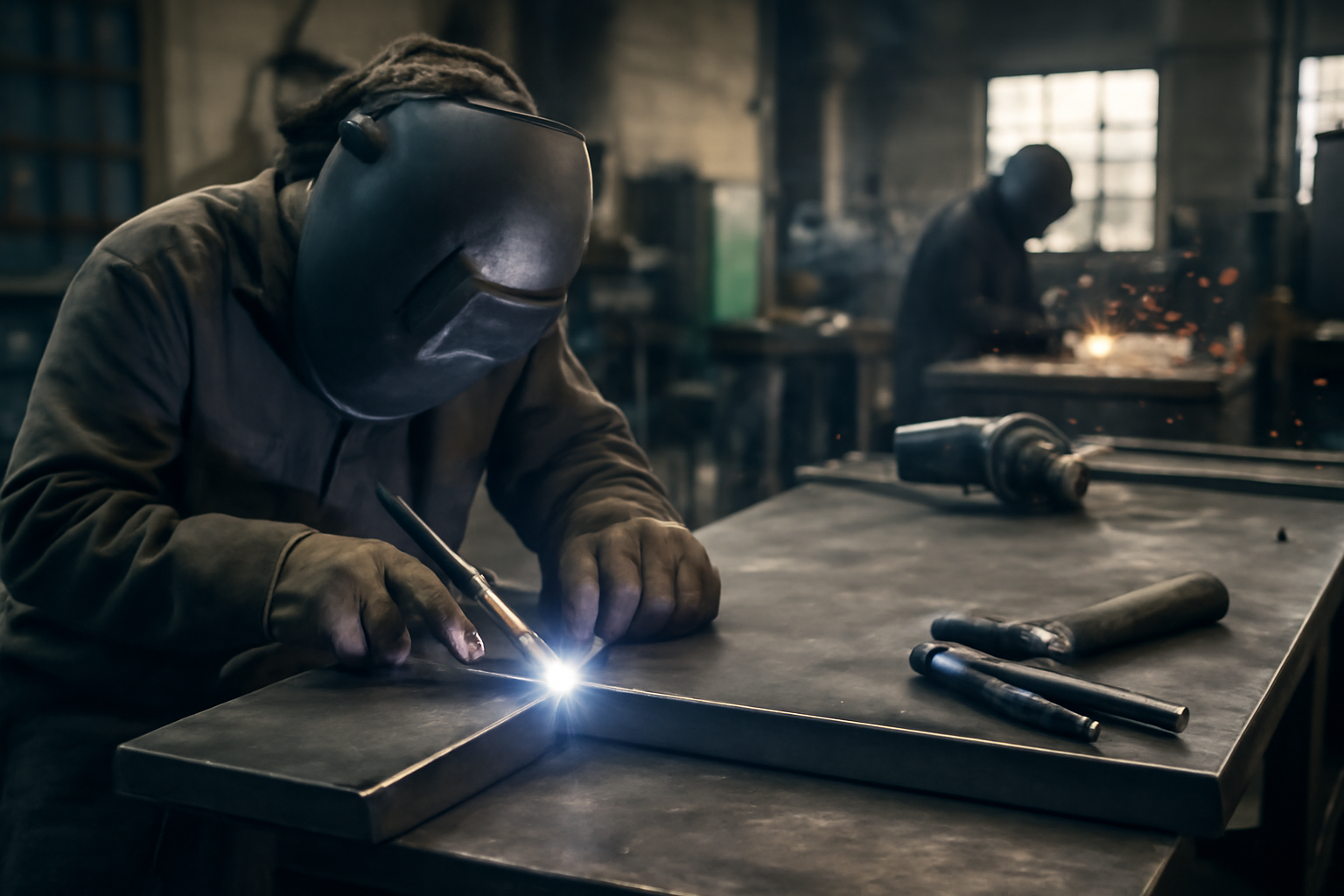
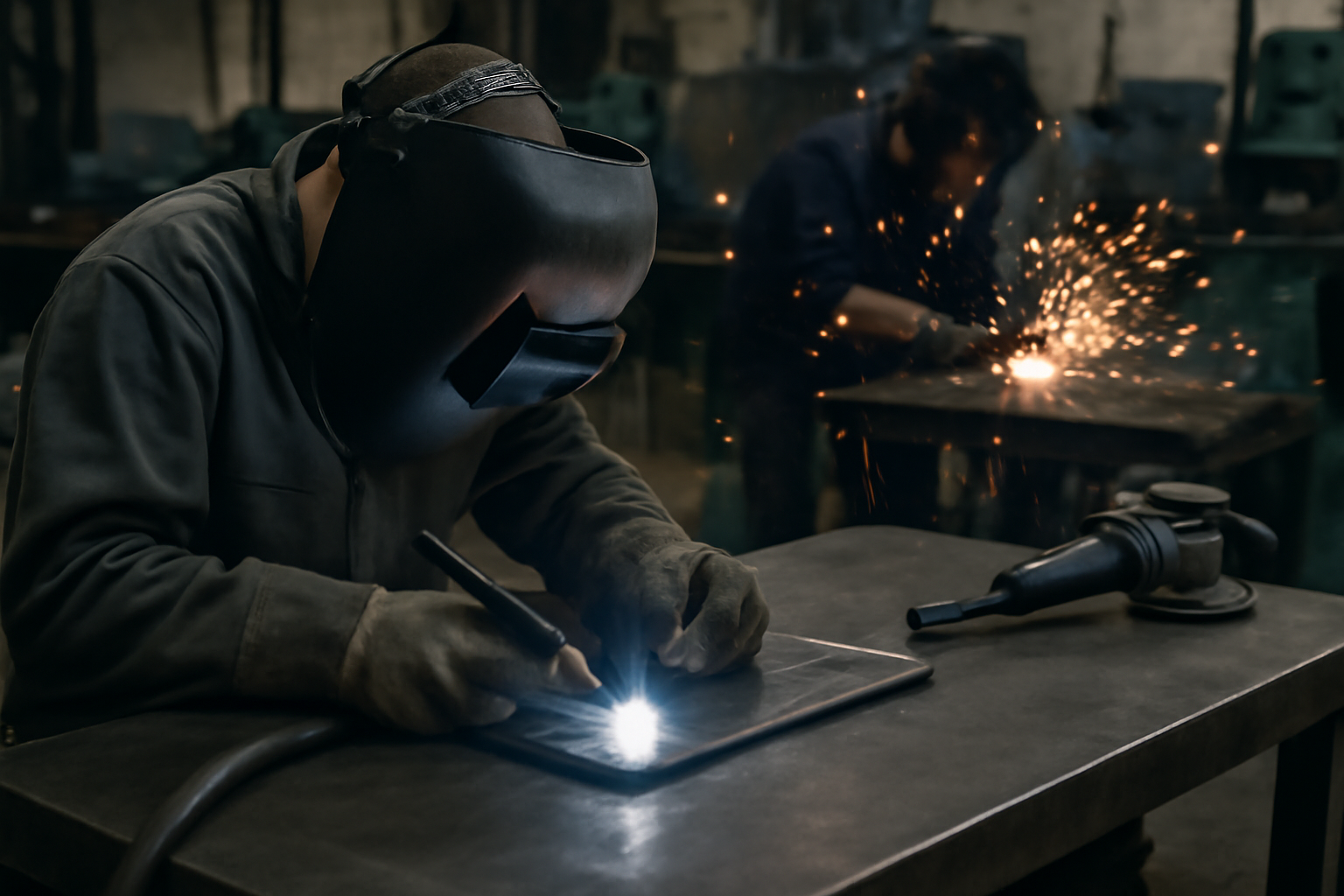
TIG welding, or Tungsten Inert Gas welding, is a precise and versatile method used in various metal fabrication processes. However, many welders, especially those new to the technique, often find it challenging. Understanding these challenges and knowing how to address them can significantly improve your welding skills and outcomes. fabrication skills.
This guide will explore the common difficulties faced in TIG welding, their root causes, and practical solutions to enhance your welding experience. Whether you are a beginner or an experienced welder, this information will help you navigate the complexities of TIG welding and achieve better results. common welding challenges.
Common Challenges in TIG Welding
Several factors contribute to the difficulties associated with TIG welding. Identifying these challenges is the first step toward improving your technique. Mastering TIG Welder Techniques: Your Comprehensive Guide.
1. Maintaining a Steady Hand
One of the most significant challenges in TIG welding is the requirement for a steady hand. The precision involved in manipulating the welding torch and filler rod can be daunting, especially for beginners. Here are some practical tips to improve your steadiness:
-
Practice with Mock Pieces: Use scrap metal to practice your technique. Set up mock welds to get a feel for the torch and filler rod without the pressure of a critical project.
-
Use a Steadying Aid: Consider using a welding table or fixture that can hold your workpiece in place, allowing you to focus on controlling the torch rather than stabilizing the metal.
-
Control Your Breathing: Practice breathing techniques to help steady your hand. Inhale deeply before starting a weld and exhale slowly while welding to maintain a calm and steady hand.
Common mistakes include over-gripping the torch and rushing through the weld, which can lead to wavering lines. Taking your time and focusing on your grip will yield better results.
2. Controlling Heat Input
Heat control is critical in TIG welding. Too much heat can lead to burn-through, while insufficient heat can result in poor fusion. Mastering heat control requires practice and a solid understanding of your welding machine specifications. Follow these steps to improve your heat management:
-
Understand Your Machine: Familiarize yourself with your TIG welder's settings, including amperage and voltage. Different materials require different heat settings.
-
Test Different Settings: Before starting your actual project, test various heat settings on scrap material similar to your workpiece. This will help you find the optimal heat input.
-
Monitor the Weld Pool: Keep an eye on the color and size of the weld pool. A bright, fluid pool indicates proper heat, while a dull or sluggish pool may mean you're underheating.
Common pitfalls include starting with too high of an amperage or failing to adjust settings based on the thickness of the material. Always adjust according to the specific requirements of your project.
3. Selecting the Right Filler Material
Choosing the appropriate filler material is crucial for successful welds. The wrong filler can lead to weak joints and defects. Understanding the types of filler materials and their applications is essential for effective welding approaches. Consider the following when selecting filler material:
-
Material Compatibility: Ensure that the filler material is compatible with the base metals you are welding. For instance, using ER70S-6 filler for carbon steel or ER308L for stainless steel.
-
Filler Diameter: The diameter of the filler rod affects the weld pool size and penetration. For thinner materials, a smaller diameter is usually preferred to avoid excessive heat input.
-
Application-Specific Filler: Some applications may require specific fillers, such as those designed for high-strength applications or corrosion resistance. Research the requirements for your project.
Common mistakes include using a filler that does not match the base metal's properties or failing to consider the service conditions the weld will face. Always double-check compatibility before starting your weld.
Root Causes of TIG Welding Difficulties
To effectively tackle the challenges of TIG welding, it's important to understand their underlying causes.
1. Inadequate Training and Experience
Many issues stem from a lack of training. Without comprehensive instruction, welders may struggle to grasp the nuances of the TIG process. Proper training should cover the following:
-
Theoretical Knowledge: Understanding the principles of TIG welding, including the importance of heat control, filler material selection, and shielding gas usage.
-
Hands-On Practice: Regular practice under supervision allows welders to refine their technique and become familiar with equipment settings.
-
Feedback and Assessment: Receiving constructive feedback from experienced welders can help identify areas for improvement.
Common mistakes include:
- Neglecting to practice on scrap materials before working on actual projects.
- Not adjusting settings based on the thickness and type of material being welded.
2. Equipment Limitations
Using subpar or unsuitable equipment can significantly impede performance. Ensuring your welding equipment collection is suitable for the task at hand is vital. Consider the following:
-
Welding Machine: Make sure your TIG welder has the appropriate amperage range for the materials you plan to weld. For instance, a welder with a lower amperage range may struggle with thicker materials.
-
Tungsten Electrode Selection: Different materials require specific tungsten electrodes. For example, use 2% thoriated tungsten for stainless steel and pure tungsten for aluminum.
-
Filler Rod Compatibility: Ensure that your filler rods match the base materials in terms of alloy composition.
To avoid equipment-related issues, perform regular maintenance checks on your welding machines and accessories. Common mistakes include:
- Using worn or contaminated tungsten electrodes, which can lead to poor arc stability.
- Failing to adjust gas flow rates, which can result in inadequate shielding and contamination.
3. Environmental Factors
Environmental conditions, such as wind or contamination, can negatively affect the quality of your welds. Controlling your workspace environment is essential for successful TIG welding. Key considerations include:
-
Wind Protection: If welding outdoors or in a drafty area, use windbreaks to prevent airflow from disrupting the shielding gas.
-
Clean Workspace: Ensure that the work area is free from dust, oil, and other contaminants that can compromise weld quality.
-
Temperature Control: Be aware of the ambient temperature, as extreme heat or cold can affect the welding process and material behavior.
Implementing these environmental controls can significantly improve weld quality. Common mistakes include:
- Ignoring the effects of humidity, which can lead to oxidation on the weld surface.
- Welding in poorly lit conditions, making it difficult to see the arc and workpiece clearly.
Quick Diagnosis: Identifying TIG Welding Problems
Recognizing the symptoms of TIG welding issues can help you diagnose problems quickly. Here are some common indicators:
- Inconsistent bead appearance
- Excessive spatter or porosity
- Burn-through on thin materials
- Weak or brittle welds
1. Inconsistent Bead Appearance
An inconsistent bead can manifest as uneven width, irregular height, or varying spacing between weld beads. To diagnose this issue:
-
Check Your Travel Speed: Too fast can lead to narrow beads, while too slow can create excessive buildup.
-
Examine Your Torch Angle: A torch angle that is too steep or too shallow can cause inconsistent bead formation.
-
Adjust Amperage Settings: Incorrect amperage can lead to poor fusion and bead irregularity. Ensure you are using the right settings for your material thickness.
To improve bead consistency, practice maintaining a steady hand and consistent travel speed. Consider using a fixture or guide to help stabilize your torch movement.
2. Excessive Spatter or Porosity
Spatter and porosity can compromise the integrity of your weld. Common causes include contamination and improper gas coverage. To diagnose:
-
Inspect the Base Material: Ensure the surface is clean and free of oil, rust, or paint. Contaminants can lead to spatter and porosity.
-
Check Your Filler Material: Use filler rods that are compatible with your base material to avoid chemical reactions that can cause defects.
-
Evaluate Gas Flow Rate: Insufficient shielding gas can lead to oxidation, resulting in porosity. Ensure your gas flow is adequate and consistent.
To minimize spatter and porosity, maintain a clean working environment and ensure proper gas coverage throughout the welding process.
3. Burn-Through on Thin Materials
Burn-through is a common problem when welding thin materials, often resulting from excessive heat input. To identify the cause:
-
Adjust Amperage: Use lower amperage settings to reduce heat input. This is crucial when working with materials less than 1/8 inch thick.
-
Control Travel Speed: A slower travel speed can increase heat input, leading to burn-through. Maintain a steady, rapid pace to avoid overheating.
-
Use Backing Bars: For thin materials, consider using a backing bar to help absorb excess heat and prevent burn-through.
Practice on scrap pieces of the same material to find the right balance of settings before proceeding with your actual workpiece.
4. Weak or Brittle Welds
Weak or brittle welds can lead to catastrophic failures in structural applications. To diagnose this issue, consider the following:
-
Assess Heat Input: Too much heat can lead to grain growth in the weld, resulting in brittleness. Ensure you are using the correct heat settings for your material.
-
Check Filler Material Compatibility: Using the wrong filler material can result in poor fusion and weak welds. Always match your filler to the base material.
-
Inspect for Contamination: Contaminants can weaken the weld. Ensure all surfaces are clean and free from any foreign materials.
To strengthen your welds, focus on proper technique and settings, and perform regular inspections to ensure quality throughout the welding process.
Common Mistakes to Avoid
When diagnosing TIG welding problems, avoid these common mistakes:
-
Ignoring Material Preparation: Always clean your materials thoroughly before welding.
-
Inconsistent Settings: Ensure your machine settings are consistent for each weld to maintain quality.
-
Neglecting to Practice: Regular practice on scrap materials can help hone your skills and prevent issues during actual projects.
By being aware of these indicators and common mistakes, you can quickly diagnose and address issues in your TIG welding process, leading to improved results and a more efficient workflow.
Fix It Fast: Practical Solutions for Common Problems
Once you've diagnosed the issue, here's how to fix it effectively:
1. Improve Hand Stability
Practice makes perfect. Use scrap metal to practice your technique. Focus on maintaining a steady hand while controlling the torch and filler rod. You can also try stabilizing your movements by resting your elbow on the work surface. Additionally, consider the following tips:
-
Use a Welding Jig: A jig can help hold your workpiece in place, allowing you to focus on your hand positioning.
-
Breathing Techniques: Control your breathing to reduce tension. Inhale deeply before starting and exhale slowly as you weld.
-
Grip Technique: Hold the torch with a relaxed grip to avoid fatigue. Tension can lead to unsteady hands.
Regular practice with these techniques will improve your muscle memory, leading to better control and stability over time.
2. Master Heat Control
Adjust your welding machine settings to achieve optimal heat input. Experiment with different settings on various materials to find the right balance. Remember that dual voltage TIG welders offer flexibility in heat control based on the material thickness. Here are some practical steps to master heat control:
-
Understand Material Thickness: For thin materials, use lower heat settings to prevent burn-through. For thicker materials, increase the heat gradually.
-
Use a Heat Sink: Attach a heat sink to absorb excess heat, especially when welding thin metals like aluminum.
-
Monitor the Pool: Keep an eye on the molten pool. If it appears too fluid, reduce the heat; if it's sluggish, increase it slightly.
By adjusting your settings based on these factors, you can achieve cleaner welds with fewer defects.
3. Select Proper Filler Material
Before starting a project, ensure you have the right filler material for the job. Familiarize yourself with different materials and their properties to make informed choices. This knowledge will enhance your welding quality. Consider the following guidelines:
-
Know the Base Metal: Match the filler material to the base metal for optimal bonding. For example, use ER70S-6 for mild steel.
-
Check Compatibility: Ensure the filler material is compatible with the type of welding you are performing (e.g., stainless steel requires specific filler rods).
-
Consult Manufacturer Specifications: Refer to the welding machine's manual for recommended filler materials based on the application.
Choosing the correct filler material not only improves the weld quality but also enhances the overall strength and durability of the joint.
Enhancing Your TIG Welding Skills
Improving your TIG welding capabilities goes beyond addressing immediate challenges. Here are some strategies for long-term skill enhancement:
1. Invest in Quality Equipment
Using high-quality equipment can make a significant difference in your welding experience. Ensure you have reliable welding machines and proper welding torch accessories for your projects. Consider the following:
-
TIG Welder: Choose a machine that suits your specific needs, whether it's AC/DC capability for aluminum or a more portable unit for fieldwork.
-
Torch Accessories: Invest in a variety of tungsten electrodes and nozzles. Different materials and thicknesses require specific types of tungsten, such as 2% thoriated or ceriated for aluminum.
-
Protective Gear: Ensure you have a good quality welding helmet with appropriate shade, gloves, and protective clothing to keep you safe while working.
2. Continuous Learning
Stay updated with the latest techniques and best practices in TIG welding. Attend workshops, read industry publications, and connect with experienced welders to broaden your knowledge. Here are some effective ways to enhance your learning:
-
Workshops and Classes: Participate in hands-on workshops that focus on specific techniques or materials. Look for local community colleges or welding schools that offer advanced TIG welding courses.
-
Online Resources: Utilize online platforms like YouTube or specialized welding forums to watch tutorials and discussions. Many experienced welders share their tips and tricks in these spaces.
-
Networking: Join welding associations or local welding clubs. Engaging with other welders can provide insights into common challenges and innovative solutions.
3. Practice Regularly
Consistent practice is key to mastering TIG welding. Set aside time to work on different projects and techniques regularly. This will help you build muscle memory and improve your overall proficiency. Consider these practical tips:
-
Project Variety: Work on a range of projects from simple to complex. Start with basic joints and progress to more intricate designs, such as pipe welding or artistic metalwork.
-
Drill Techniques: Dedicate sessions to practicing specific techniques, such as controlling heat input, managing travel speed, and maintaining a steady hand during welding.
-
Record Your Progress: Keep a welding journal to document your projects, techniques, and the challenges you faced. This can help you identify areas for improvement and track your growth over time.
4. Seek Feedback and Critique
Receiving constructive criticism from peers or mentors can help you identify weaknesses and areas for improvement. Here's how to effectively seek feedback:
-
Peer Review: Invite fellow welders to observe your work and provide feedback. They may notice issues that you might overlook.
-
Professional Assessment: If possible, work with a certified welding inspector who can evaluate your welds against industry standards and provide detailed critiques.
-
Self-Assessment: Take the time to review your own work. Look for common flaws such as inconsistent bead width, undercutting, or porosity, and make adjustments in future projects.
5. Understand Material Properties
Different metals behave differently under heat, and understanding these properties can greatly enhance your welding skills. Here are some key points to consider:
-
Material Selection: Familiarize yourself with the materials you are working with, including their melting points, thermal conductivity, and how they react to heat.
-
Pre-Welding Preparation: Properly clean and prepare your materials to avoid contamination. This includes removing rust, oil, and other impurities that can affect the quality of your weld.
-
Post-Weld Treatment: Learn about post-welding processes such as stress relief or heat treatment, which can help improve the integrity of your welds.
6. Experiment and Innovate
Don't be afraid to experiment with different techniques and settings. Innovation can lead to discovering new methods that work better for you. Here are some ways to foster creativity in your welding:
-
Try New Techniques: Explore advanced TIG welding techniques such as pulse welding, which can help control heat and improve weld quality.
-
Material Combinations: Experiment with welding dissimilar metals, like stainless steel to aluminum, to challenge your skills and expand your capabilities.
-
Design Projects: Create your own unique projects that incorporate different welding techniques and materials. This can be a great way to apply what you've learned and showcase your skills.
By focusing on these strategies, you can enhance your TIG welding skills and tackle challenges more effectively. Remember, the journey to becoming a proficient TIG welder is ongoing, and consistent effort will lead to significant improvements over time.
Conclusion
TIG welding presents unique challenges that can be daunting for many welders. By understanding the root causes of these difficulties and employing practical solutions, you can enhance your skills and achieve better results. Start implementing these strategies today, and take your TIG welding to the next level.
Key Takeaways
-
Practice Consistently: Regular practice is essential to mastering TIG welding. Set aside dedicated time each week to work on different techniques.
-
Understand Your Equipment: Familiarize yourself with your TIG welder's settings and capabilities. Different machines have unique features that can affect your welding quality.
-
Material Knowledge: Know the materials you are working with. Different metals require different settings and techniques.
-
Control Your Environment: Ensure that your workspace is clean and free from drafts, as these can affect the stability of the arc.
Practical Steps to Overcome Common Challenges
To effectively tackle the challenges associated with TIG welding, consider the following practical steps:
-
Set Up Properly:
- Ensure your workspace is well-lit and organized.
- Check your gas flow rate and make adjustments as needed.
- Use the correct tungsten electrode size and type for your material.
-
Practice Technique:
- Work on maintaining a steady hand to control the torch movement.
- Practice the correct distance between the tungsten and the workpiece.
- Experiment with different travel speeds to find the optimal pace for each material.
-
Seek Feedback:
- Ask experienced welders for critiques of your technique.
- Record your welding sessions to identify areas for improvement.
Common Mistakes to Avoid
Being aware of common pitfalls can help you improve your TIG welding skills more quickly. Here are some mistakes to watch out for:
-
Incorrect Settings: Always double-check your amperage setting based on the thickness of the material being welded.
-
Inconsistent Gas Flow: Ensure that your shielding gas is flowing consistently throughout the welding process to prevent contamination.
-
Neglecting Cleanliness: Always clean your workpiece before welding. Contaminants can lead to defects in the weld.
-
Improper Torch Angle: Maintain the correct torch angle to ensure consistent penetration and bead formation.
Final Thoughts
Improving your TIG welding skills is a journey that requires patience and persistence. By implementing the strategies mentioned above, you can not only overcome the inherent challenges of TIG welding but also elevate the quality of your work. Remember, every welder faces difficulties at some point; it's how you respond to these challenges that will define your success in the craft. Stay committed to learning and refining your skills, and you will see significant improvements in your welding results.
In short
This post focuses on why TIG welding can be challenging with a practical approach you can apply right away. Built for Enthusiasts / learners / participants (not sellers). You?ll see root causes, fast fixes, and how to prevent repeat issues.
Quick answer
Most why TIG welding can be challenging problems come from a small number of causes: unclear setup, unrealistic expectations, or inconsistent execution. Fix the fundamentals first, then adjust one variable at a time and track the outcome. Audience-first only. Write like a trusted niche blog: helpful, clear, structured, and genuinely informative. Focus on fundamentals, improvement, terminology, culture, people, gear, and common scenarios in the niche. Do NOT write seller/operator content (no "Shopify apps", no "optimize your store", no "collections setup", no "increase conversion rate", no SEO/ads talk). Avoid aggressive CTAs and "buy now" language. If products are mentioned, keep it subtle and contextual (examples, use-cases, what to look for), never pushy.
Context and related concepts
Fundamentals ? Beginner basics ? Terminology ? Glossary ? Skills ? Techniques ? Best practices ? Common mistakes ? Gear / tools / materials ? Options ? Use-cases ? Tradeoffs ? Culture ? Lifestyle ? Community norms ? History ? People / creators / athletes ? Events ? Trends ? Care / maintenance ? Safety ? Sizing / fit (if relevant)
FabCore X Supply: FabCore X Supply is an online distributor of industrial metalworking and fabrication equipment. We sell equipment used in welding, cutting, forming, and machining including TIG welders, MIG welders, plasma cutters, bandsaws, cold saws, drill presses, lathes, belt grinders, ironworkers, tube benders, metal shears, press brakes, shop presses, arbor presses, notchers, track torches, welding tables, welding carts, welding helmets, PAPR welding respirators, rod ovens, and metal fabrication accessories. We are an authorized retailer for manufacturers including Arc Star, Blue Demon, Blue Star, HTP America, Laguna Tools, Metal Man, Metalpro, Optrel, Sumner, TIG Star, and WeldPro.