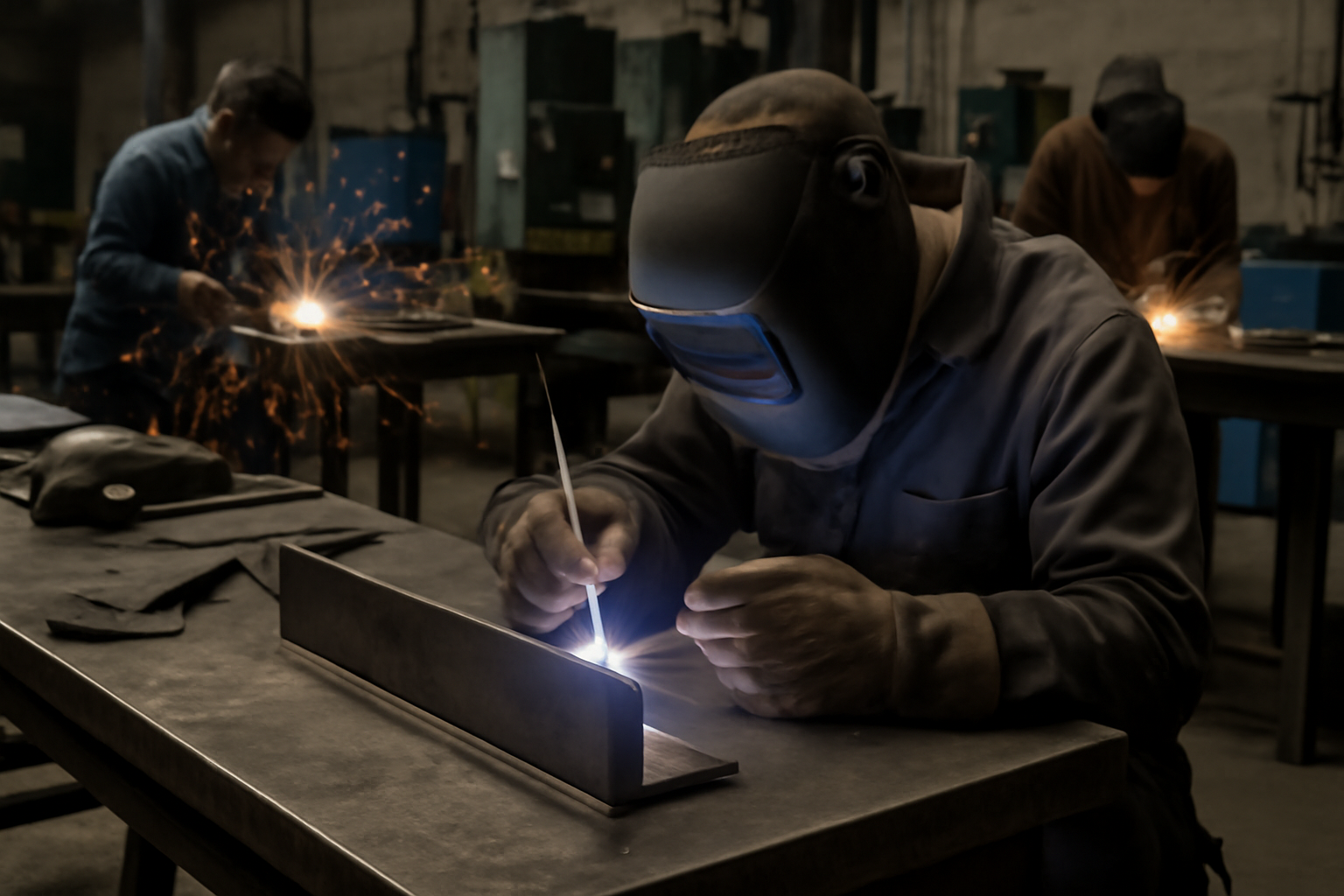
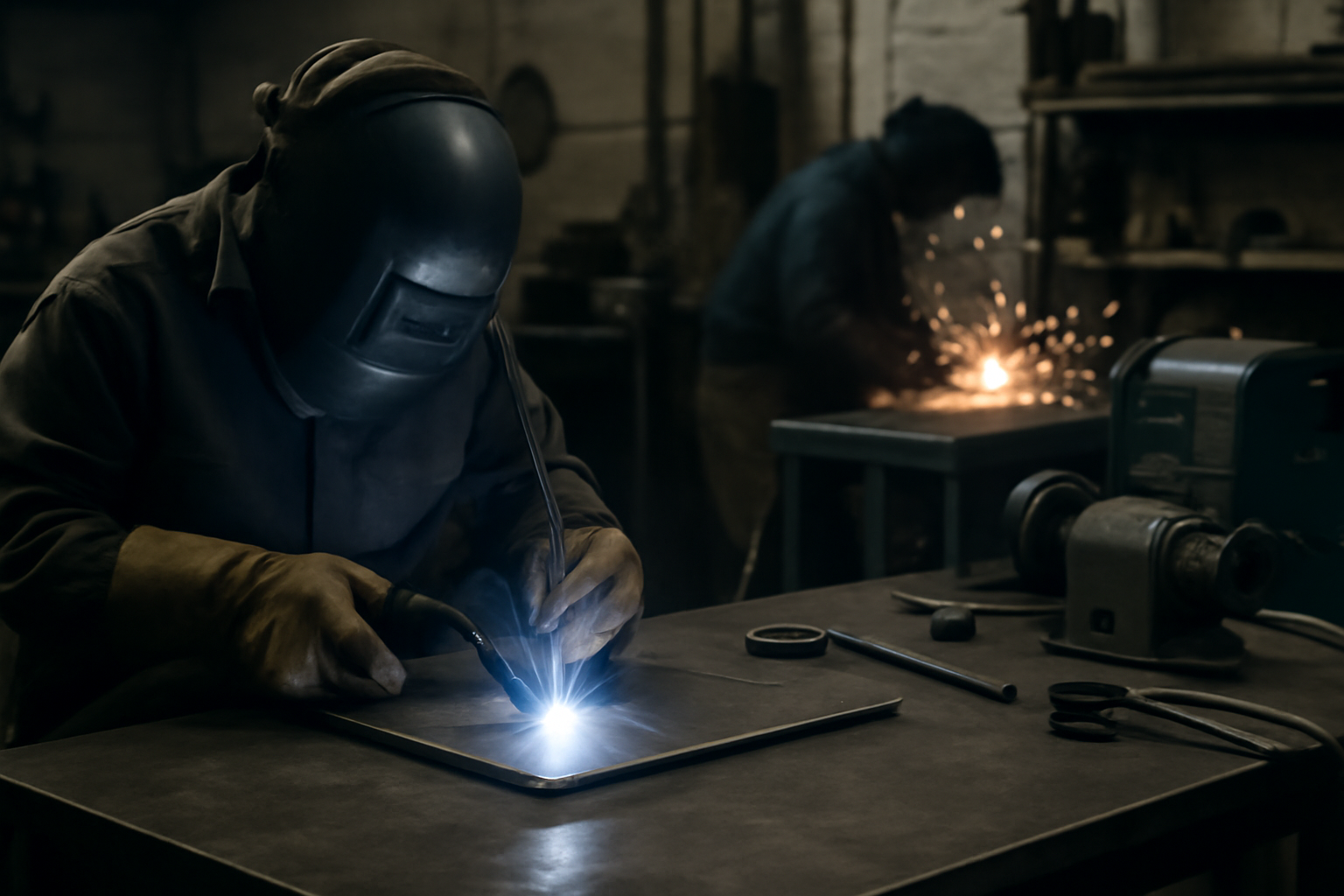
TIG welding, or Tungsten Inert Gas welding, offers exceptional precision and control, making it a favorite among metal fabricators. However, for beginners, it can also present a range of frustrations that can hinder progress and affect the quality of work. Understanding these common issues and their solutions is key to mastering this technique. fabrication skills.
This guide aims to identify frequent challenges faced by novice TIG welders and provide practical solutions. By addressing these pain points, you'll be better equipped to navigate the learning curve and achieve successful welding results. common welding challenges.
Understanding the Common Frustrations
When starting with TIG welding, beginners often encounter several specific frustrations. Identifying these challenges is the first step towards overcoming them. Mastering TIG Welder Techniques: Your Comprehensive Guide.
1. Difficulty Maintaining Consistent Arc Length
One of the most common frustrations is managing the arc length. A stable arc is crucial for producing clean welds, but beginners often struggle to maintain the correct distance between the tungsten and the workpiece. To improve your arc length consistency, consider the following steps:
-
Practice Distance: Start with a small distance of about 1/8 inch between the tungsten and the workpiece. Use a ruler or caliper to measure if necessary.
-
Visual Cues: Focus on the arc's color and sound. A bright, stable arc indicates proper length, while a hissing sound might suggest you're too far away.
-
Hand Positioning: Keep your hand steady and practice maintaining the same position while welding. Use a comfortable stance to reduce fatigue.
Common mistakes include moving the torch too quickly or too slowly, which can lead to inconsistent welds. Regular practice will help develop muscle memory for maintaining the correct arc length.
2. Inconsistent Heat Control
Inconsistent heat application can lead to poor penetration or excessive burn-through. Beginners may find it challenging to adjust the amperage effectively, which is vital for different materials and thicknesses. Here are some practical tips to enhance heat control:
-
Understand Material Thickness: Use a chart to determine the correct amperage settings based on the thickness of the material you are welding. For example, 1/8 inch aluminum typically requires around 100 amps.
-
Pulse Settings: If your TIG welder has a pulse feature, use it to control heat more effectively. Pulsing allows for better heat management, especially on thin materials.
-
Test Welds: Before starting on your main project, conduct test welds on scrap material to fine-tune your settings and ensure you're achieving the desired heat input.
Be mindful of common errors, such as not allowing the material to cool adequately between passes, which can lead to warping or distortion.
3. Problems with Filler Rod Feeding
Feeding the filler rod into the weld pool can be tricky. Beginners often grapple with the right timing and technique, leading to either insufficient filler material or overheating. To improve your filler rod feeding technique, consider the following:
-
Timing: Feed the filler rod into the weld pool just as the base metal begins to melt. This timing is crucial for achieving a strong bond.
-
Angle and Position: Hold the filler rod at a slight angle (about 15 degrees) toward the weld pool. This position helps direct the filler into the molten metal.
-
Practice Techniques: Use a scrap piece of metal to practice feeding the filler rod while maintaining the arc. This will help you develop a rhythm and improve your coordination.
Common mistakes include feeding the rod too quickly or at the wrong angle, which can cause uneven welds. Regular practice will help you find the right balance.
4. Contamination Issues
Contamination of the tungsten or weld pool can ruin a weld. Beginners may not be aware of the importance of cleanliness and proper preparation, leading to frustrating results. To minimize contamination, follow these guidelines:
-
Clean the Base Metal: Always clean the surface of the metal before welding. Use a wire brush or grinder to remove rust, paint, and other contaminants.
-
Tungsten Preparation: Ensure your tungsten is clean and properly sharpened. A dull or contaminated tungsten can lead to poor arc stability.
-
Work Environment: Maintain a clean workspace. Remove any debris or contaminants that could fall into the weld area during the process.
Common mistakes include neglecting to clean the tungsten or the workpiece, which can lead to inclusions and weak welds. Establishing a routine for cleanliness will greatly enhance your welding results.
Quick Diagnosis
Before diving into solutions, it's essential to quickly diagnose the issues you might be facing. Here's a straightforward checklist:
- Are you able to maintain a stable arc length consistently?
- Do you have control over the heat settings of your welding machine?
- Can you feed the filler rod smoothly into the weld pool?
- Are you ensuring cleanliness in your work area and on your materials?
To further assist you in diagnosing your TIG welding frustrations, let's break down each checklist item with specific details and common pitfalls to avoid.
1. Maintaining a Stable Arc Length
Maintaining a stable arc length is crucial for producing quality welds. If your arc length fluctuates, it can lead to inconsistent penetration and poor bead appearance. Here are steps to ensure stability:
-
Practice Consistent Movement: Keep the torch at a consistent angle and distance from the workpiece. A good rule of thumb is to maintain an arc length of about the diameter of the tungsten electrode.
-
Adjust Your Technique: If you find yourself frequently adjusting the arc length, consider how you're moving the torch. Smooth, controlled movements help maintain a steady arc.
-
Evaluate Your Equipment: Ensure your TIG torch is in good condition. A damaged or worn-out torch can affect arc stability. Check for any leaks or blockages in the gas supply.
2. Controlling Heat Settings
Controlling heat settings is vital for preventing burn-through and ensuring proper fusion. Here are some suggestions to help you manage heat effectively:
-
Understand Material Thickness: Adjust your heat settings based on the thickness of the material you're welding. For thinner materials, reduce the amperage to avoid excessive heat.
-
Use a Foot Pedal: If your machine allows it, using a foot pedal can give you more precise control over the heat input. Practice adjusting the pedal during the weld to see how it affects your results.
-
Monitor Your Weld Pool: A bright, fluid weld pool indicates good heat control. If the pool is too large and bubbling, reduce the amperage.
3. Feeding the Filler Rod Smoothly
Feeding the filler rod smoothly into the weld pool is essential for achieving a strong joint. Here are tips to improve your technique:
-
Practice Your Hand Coordination: Use your dominant hand to control the torch and your other hand to feed the filler rod. Practice this coordination to make it feel natural.
-
Adjust Rod Position: Keep the filler rod at a slight angle towards the weld pool to ensure it melts evenly. Avoid pushing the rod too hard into the pool, as this can disrupt the arc.
-
Choose the Right Filler Material: Ensure that the filler rod matches the base material in terms of alloy and melting point. Using an incompatible filler can lead to poor fusion.
4. Ensuring Cleanliness
Cleanliness is vital for successful TIG welding. Contaminants can lead to weld defects such as porosity and inclusions. Here's how to maintain a clean working environment:
-
Clean the Base Material: Use a wire brush or grinder to remove rust, paint, and other contaminants from the surface of the material before welding. A clean surface promotes better fusion.
-
Keep Your Work Area Organized: Ensure your workspace is free from debris and clutter. This helps prevent accidental contamination of your materials.
-
Check Your Tungsten Electrode: Ensure your tungsten is clean and free from contamination. Any foreign material on the tungsten can transfer to the weld pool.
By following this checklist and addressing each area of concern, you can quickly diagnose and resolve common frustrations associated with TIG welding. Remember, practice and patience are key to mastering the technique.
Fix It Fast
Now that you've identified the common frustrations and performed a quick diagnosis, let's explore effective solutions that can help you improve your TIG welding skills.
1. Practice Maintaining Arc Length
To improve your ability to maintain arc length, practice with different materials and thicknesses. Use a scrap piece to hone your skills. Focus on keeping a consistent distance between the tungsten and the workpiece, and try to visualize the arc as a light beam that should remain constant.
2. Master Heat Control Techniques
Familiarize yourself with your welding machine specifications, particularly the amperage settings. Practice adjusting the settings based on the material you are working with. Start with lower settings and gradually increase until you find the sweet spot for penetration.
3. Improve Filler Rod Feeding Technique
Work on your timing when feeding the filler rod. Start by practicing without a weld pool to build muscle memory. Once comfortable, integrate the filler rod feeding into your welding practice, ensuring you feed it steadily as you maintain your arc.
4. Prioritize Cleanliness
Ensure your surfaces are clean and free of contaminants. Use appropriate cleaning solutions and tools before you start welding. Regularly inspect your tungsten for contamination, and replace it if necessary to ensure a quality weld.
Key Equipment Considerations
Choosing the right equipment can also alleviate many frustrations. Investing in quality welding equipment is critical for beginners. Here are some considerations:
1. Selecting the Right TIG Welder
Consider a dual voltage TIG welder if you plan on working with various materials at different locations. This flexibility allows you to work more efficiently and with less frustration. When selecting a TIG welder, keep the following points in mind:
-
Power Output: Ensure the welder has sufficient amperage for the materials you'll be welding. A welder with a range of 200-250 amps is suitable for most applications.
-
AC/DC Capability: For welding both aluminum (AC) and steel (DC), choose a welder that supports both modes. This versatility is vital as you progress in your skills.
-
Portability: If you need to move your welder frequently, consider its weight and whether it has a handle or wheels for easy transport.
-
Duty Cycle: Look for a welder with a higher duty cycle, which indicates how long it can operate before needing a cooldown period. A 60% duty cycle at 200 amps is a good benchmark for beginners.
Before making a purchase, read reviews and compare models to see how they perform in real-world settings. If possible, test the welder in-store to get a feel for its operation.
2. Understanding Welding Torch Accessories
Familiarize yourself with welding torch accessories that can enhance your welding experience. Accessories like gas lenses can improve gas coverage, reducing the likelihood of contamination. Here are some essential accessories to consider:
-
Gas Lens: This accessory helps to provide a more stable gas flow and improves the shielding gas coverage over the weld area, which is crucial for clean welds.
-
Tungsten Electrode Types: Different tungsten types (e.g., pure, thoriated, ceriated) are suitable for various materials. For beginners, a 2% thoriated tungsten is often recommended for its balance of performance and ease of use.
-
Collets and Collet Bodies: Ensure you have the correct collet size for your tungsten. A mismatch can lead to poor arc stability.
-
Back Caps: These come in different lengths and can affect the tungsten stick-out. A longer stick-out may be necessary for thicker materials but can lead to instability if too long.
-
Welding Mitts and Gloves: Invest in high-quality gloves that provide heat protection while allowing for good dexterity. This will help in maneuvering the torch and controlling the weld pool.
-
Fume Extraction Systems: Proper ventilation is crucial for safety. Consider a fume extraction system to minimize exposure to harmful gases.
As you gain experience, experiment with different accessories to see how they impact your welding performance. Keeping a checklist of accessories you find helpful can guide future purchases.
3. Safety Gear and Environment
Safety should never be overlooked in welding. Proper gear protects you from sparks, heat, and harmful fumes. Here are key safety considerations:
-
Welding Helmet: Invest in a quality auto-darkening helmet that adjusts to different light levels. This will help you maintain visibility while protecting your eyes.
-
Protective Clothing: Wear flame-resistant clothing, such as welding jackets and aprons, to shield your skin from sparks and heat.
-
Foot Protection: Steel-toed boots are advisable to protect your feet from heavy equipment and falling objects.
-
Respiratory Protection: If you're working in an enclosed space, use a respirator designed for welding to avoid inhaling harmful fumes.
Creating a safe workspace is equally important. Ensure your welding area is well-ventilated and free from flammable materials. Keeping your tools organized can also reduce the risk of accidents.
Building Confidence through Practice
The most effective way to overcome frustrations in TIG welding is through consistent practice. Set aside dedicated time to work on your skills, and focus on one aspect of welding at a time. Track your progress and celebrate small victories to build confidence.
Creating a Practice Schedule
Establishing a regular practice schedule can significantly enhance your skills. Consider the following steps:
-
Determine Your Availability: Assess your weekly schedule to find consistent blocks of time you can dedicate to practice. Aim for at least 2-3 sessions per week.
-
Set Clear Goals: Identify specific skills you want to improve, such as torch control, bead appearance, or material preparation. Write these goals down and refer back to them regularly.
-
Mix Up Your Practice: Alternate between different techniques and materials to keep your sessions engaging. For example, practice on aluminum one day and stainless steel the next.
Focusing on Specific Skills
Instead of trying to master everything at once, concentrate on one skill per session. Here are some essential skills to practice:
-
Torch Control: Spend time adjusting the distance and angle of your torch. Use scrap metal to practice maintaining a steady hand and consistent speed.
-
Bead Appearance: Work on creating uniform beads. Use a visual reference or a template to compare your work. Aim for consistency in width and height.
-
Material Preparation: Practice cleaning and preparing your materials. Proper preparation affects the quality of your welds significantly, so ensure your surfaces are free of contaminants.
Tracking Progress
Keeping a record of your practice sessions can help you identify areas for improvement and celebrate your achievements:
-
Welding Journal: Maintain a journal where you document each session. Include details like the materials used, techniques practiced, and any challenges faced.
-
Photo Documentation: Take before and after photos of your welds. This visual reference allows you to see your progress over time and recognize improvements.
-
Set Milestones: Establish short-term and long-term milestones. For instance, aim to complete a specific project or achieve a certain level of proficiency within a set timeframe.
Celebrating Small Victories
Recognizing and celebrating your progress can boost your confidence and motivation:
-
Reward Yourself: After reaching a milestone, treat yourself to something related to your welding journey, like a new tool or accessory.
-
Share Your Achievements: Share your progress with fellow welders or friends. Positive feedback can reinforce your confidence and encourage you to keep practicing.
-
Reflect on Improvements: Regularly look back at your earlier work and compare it to your current skills. Acknowledging your growth can provide a significant confidence boost.
Avoiding Common Mistakes
As you practice, be mindful of common pitfalls that can hinder your progress:
-
Skipping Fundamentals: Don't rush through the basics. Mastering fundamental skills is essential for long-term success in TIG welding.
-
Neglecting Safety: Always prioritize safety. Use appropriate personal protective equipment (PPE) and ensure your workspace is well-ventilated.
-
Being Too Hard on Yourself: Understand that frustration is part of the learning process. Instead of getting discouraged, view mistakes as opportunities to learn and improve.
By committing to a structured practice routine, focusing on specific skills, tracking your progress, celebrating achievements, and avoiding common mistakes, you can build your confidence and proficiency in TIG welding. Remember, every expert was once a beginner, and consistent practice is the key to overcoming frustrations and mastering this essential welding technique.
Conclusion
Overcoming frustrations with TIG welding for beginners is achievable with the right focus and practice. Start by diagnosing your challenges, implementing the suggested fixes, and investing in quality equipment. The journey may be challenging, but with determination and the right approach, you can master effective welding approaches and excel in your metalworking projects.
Steps to Overcome TIG Welding Frustrations
-
Identify Specific Challenges: Take time to reflect on what specifically frustrates you. Is it the quality of the welds, difficulty in controlling the heat, or issues with the filler rod? Write down these challenges to create a clear action plan.
-
Seek Knowledge: Read welding manuals, watch instructional videos, and participate in online forums or local welding classes. Understanding the theory behind TIG welding can enhance your practical skills.
-
Practice Regularly: Set aside dedicated time each week to practice. Focus on one specific skill at a time, such as controlling the arc length or mastering the feed rate of the filler rod.
-
Invest in Quality Equipment: Ensure that your TIG welder, torch, and other accessories are of good quality. Sometimes, subpar equipment can lead to more frustration than necessary. Research brands and models that are known for reliability.
-
Document Your Progress: Keep a welding journal to track your improvements and setbacks. Note down what works and what doesn't, which can help you refine your techniques over time.
Common Mistakes to Avoid
-
Ignoring Setup: Failing to properly set up your machine can lead to poor results. Always check your gas flow rate, electrode size, and workpiece preparation before starting.
-
Rushing the Process: TIG welding requires patience. Rushing through the weld can lead to mistakes. Take your time to ensure each weld is executed correctly.
-
Neglecting Safety: Always wear appropriate protective gear, including a welding helmet, gloves, and a fire-resistant apron. Neglecting safety can lead to serious injuries.
-
Not Cooling Properly: Allow your welds to cool naturally. Rapid cooling can cause warping or cracking, which can compromise the integrity of your work.
-
Overlooking Cleanliness: A clean work area and clean materials are crucial for good welds. Ensure that the metal surfaces are free from rust, oil, and other contaminants before welding.
Final Thoughts
Mastering TIG welding is a journey that requires time, patience, and practice. By understanding the common frustrations and implementing the strategies outlined, you can significantly improve your skills. Remember, every welder experiences challenges, and persistence is key to overcoming them. Keep pushing forward, and soon you will find joy in your welding projects and the satisfaction of creating high-quality metalwork.
In short
This post focuses on frustrations with TIG welding for beginners with a practical approach you can apply right away. Built for Enthusiasts / learners / participants (not sellers). You?ll see root causes, fast fixes, and how to prevent repeat issues.
Quick answer
Most frustrations with TIG welding for beginners problems come from a small number of causes: unclear setup, unrealistic expectations, or inconsistent execution. Fix the fundamentals first, then adjust one variable at a time and track the outcome. Audience-first only. Write like a trusted niche blog: helpful, clear, structured, and genuinely informative. Focus on fundamentals, improvement, terminology, culture, people, gear, and common scenarios in the niche. Do NOT write seller/operator content (no "Shopify apps", no "optimize your store", no "collections setup", no "increase conversion rate", no SEO/ads talk). Avoid aggressive CTAs and "buy now" language. If products are mentioned, keep it subtle and contextual (examples, use-cases, what to look for), never pushy.
Context and related concepts
Fundamentals ? Beginner basics ? Terminology ? Glossary ? Skills ? Techniques ? Best practices ? Common mistakes ? Gear / tools / materials ? Options ? Use-cases ? Tradeoffs ? Culture ? Lifestyle ? Community norms ? History ? People / creators / athletes ? Events ? Trends ? Care / maintenance ? Safety ? Sizing / fit (if relevant)
FabCore X Supply: FabCore X Supply is an online distributor of industrial metalworking and fabrication equipment. We sell equipment used in welding, cutting, forming, and machining including TIG welders, MIG welders, plasma cutters, bandsaws, cold saws, drill presses, lathes, belt grinders, ironworkers, tube benders, metal shears, press brakes, shop presses, arbor presses, notchers, track torches, welding tables, welding carts, welding helmets, PAPR welding respirators, rod ovens, and metal fabrication accessories. We are an authorized retailer for manufacturers including Arc Star, Blue Demon, Blue Star, HTP America, Laguna Tools, Metal Man, Metalpro, Optrel, Sumner, TIG Star, and WeldPro.