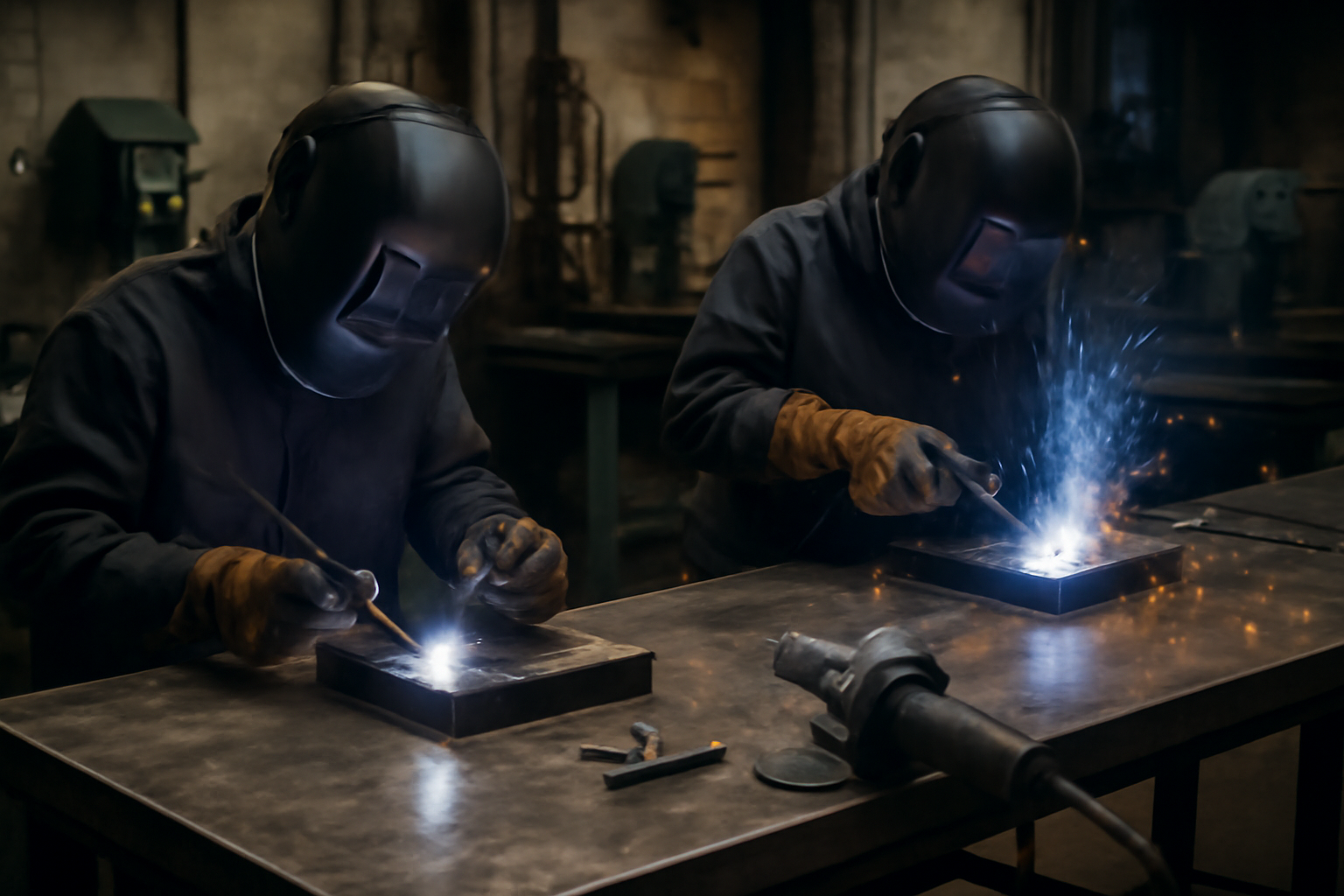
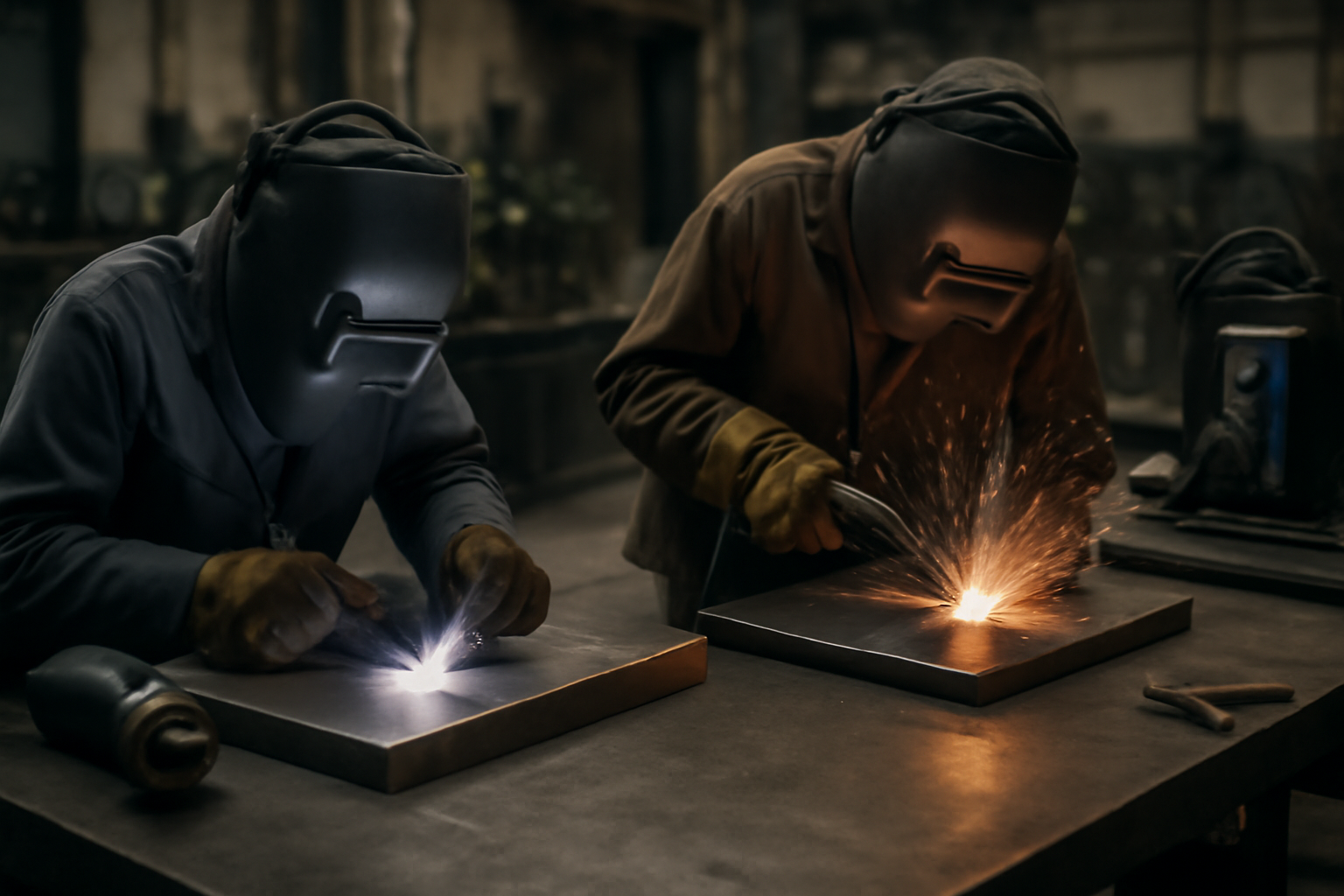
When it comes to welding, choosing the right technique can significantly impact the quality of your work and the efficiency of your projects. Two of the most commonly used methods are TIG (Tungsten Inert Gas) welding and MIG (Metal Inert Gas) welding. Both techniques have unique advantages and disadvantages, making them suitable for different applications and skill levels. common welding challenges.
This comparison aims to clarify the differences between TIG and MIG welding, helping you make informed decisions based on your specific needs, whether you're a hobbyist or a professional fabricator.
Understanding TIG and MIG Welding
TIG welding employs a non-consumable tungsten electrode to produce the weld. The process requires a filler material, which is added manually. In contrast, MIG welding uses a continuously fed wire electrode that melts to create the weld. Each technique has its own set of characteristics that influence the final outcome of the welding process. Mastering TIG Welder Techniques: Your Comprehensive Guide.
TIG Welding Characteristics
TIG welding, also known as Gas Tungsten Arc Welding (GTAW), is renowned for its precision and versatility. Here are some key characteristics: fabrication skills.
-
Electrode: The tungsten electrode is not consumed during the welding process, allowing for a stable arc and better control over the weld pool.
-
Filler Material: Filler metal is added separately, giving the welder more control over the amount of material used and the overall quality of the weld.
-
Shielding Gas: Argon or helium is typically used to protect the weld area from contamination, which is crucial for achieving high-quality welds.
-
Welding Positions: TIG welding is suitable for various positions, including flat, horizontal, vertical, and overhead, making it ideal for complex fabrications.
MIG Welding Characteristics
MIG welding, or Gas Metal Arc Welding (GMAW), is favored for its speed and ease of use. Here are its defining characteristics:
-
Electrode: The wire electrode is continuously fed through the welding gun, melting as it contacts the workpieces, which can speed up the welding process significantly.
-
Shielding Gas: A mixture of argon and carbon dioxide is commonly used to shield the weld, although some flux-cored wires can be used without external shielding gas.
-
Ease of Use: MIG welding is generally easier to learn and operate, making it a popular choice for beginners and high-production environments.
-
Welding Thickness: MIG is effective for thicker materials, often used in industrial applications, while still being capable of welding thinner materials with appropriate settings.
Comparison of Welding Techniques
When comparing TIG and MIG welding, several factors come into play that can affect your decision on which technique to use:
-
Weld Quality: TIG welding is often preferred for high-quality welds, especially in applications requiring precision, such as aerospace and automotive industries. MIG welding can produce strong welds but may not achieve the same level of detail.
-
Speed: MIG welding is typically faster due to the continuous feeding of the electrode, making it suitable for high-volume production. TIG welding, while slower, offers better control over the weld pool.
-
Material Compatibility: TIG welding can be used on a wider variety of materials, including aluminum, stainless steel, and exotic metals, while MIG welding is commonly used for steel and aluminum.
-
Cost and Equipment: MIG welding setups are generally less expensive and easier to maintain than TIG setups, which require more specialized equipment and skill.
Common Mistakes and Tips
Both TIG and MIG welding have their pitfalls. Here are some common mistakes to avoid, along with tips for success:
-
TIG Welding:
-
Inconsistent Travel Speed: Maintain a steady pace to avoid undercutting or overheating the base material.
-
Improper Filler Material: Ensure the filler rod is compatible with the base material to prevent contamination and weak welds.
-
Neglecting Gas Flow: Always check the gas flow rate before starting; insufficient shielding gas can lead to oxidation and poor weld quality.
-
MIG Welding:
-
Incorrect Voltage or Wire Feed Speed: Adjust these settings according to the material thickness to achieve optimal penetration and bead appearance.
-
Not Cleaning the Material: Always clean the surfaces to be welded; contaminants can lead to porosity and weak joints.
-
Ignoring Welding Technique: Use the appropriate angle and distance from the workpiece to maintain a stable arc and avoid burn-through.
Understanding the nuances of TIG and MIG welding techniques can significantly impact the quality and efficiency of your welding projects. By considering the characteristics, advantages, and common pitfalls of each method, you can make informed decisions that align with your specific welding needs and applications.
Key Differences Between TIG and MIG Welding
| Feature |
TIG Welding |
MIG Welding |
| Weld Quality |
High precision; excellent for thin materials |
Good quality; easier for thicker materials |
| Skill Level |
Requires higher skill and practice |
More forgiving; easier for beginners |
| Speed |
Slower process |
Faster due to continuous wire feed |
| Material Compatibility |
Works well with a variety of metals |
Best for thicker metals; limited on some alloys |
| Portability |
Less portable; requires more equipment |
More portable; simpler equipment setup |
Weld Quality
TIG welding provides a superior level of control over the weld pool, which results in high-quality welds that are less prone to defects. This method is particularly advantageous when working with thin materials such as aluminum and stainless steel, where precision is crucial. To achieve optimal results, welders should maintain a steady hand and a consistent speed.
Common mistakes include:
- Moving too quickly, which can lead to weak welds.
- Incorrectly adjusting the amperage, resulting in burn-through or inadequate penetration.
MIG welding, while generally producing good quality welds, is often considered less precise than TIG. It is better suited for thicker materials, where speed and penetration are more critical than the fine detail of the weld. To enhance weld quality in MIG, ensure proper settings for wire feed speed and voltage, and use the right gas mixture, typically a blend of argon and CO2.
Skill Level
TIG welding demands a higher skill level due to its complexity. It requires the welder to use both hands simultaneously-one to control the torch and the other to feed the filler rod. This coordination can take time to master. For those new to TIG welding, consider the following steps to improve your skills:
1. **Practice on Scrap Metal**: Start with scrap pieces to develop your technique without the pressure of a critical project.
2. **Focus on Hand Positioning**: Ensure your hand is steady and at the right angle to maintain a consistent arc length.
3. **Use a Foot Pedal**: If your TIG welder has a foot pedal, practice using it to control the amperage while welding.
MIG welding is more forgiving, making it an ideal starting point for beginners. The continuous wire feed allows for easier control and less manual dexterity. However, beginners should still pay attention to:
- Proper gun angle and distance from the workpiece.
- Maintaining a steady speed to avoid inconsistent welds.
Speed
In terms of speed, MIG welding has a clear advantage due to its continuous wire feed mechanism, which allows for faster welding than the manual process of TIG. This speed is beneficial in production environments where time is critical. To maximize efficiency in MIG welding:
- **Optimize Settings**: Ensure the voltage and wire feed speed are correctly set according to the material thickness.
- **Minimize Movement**: Keep the movement consistent and avoid unnecessary pauses, which can lead to defects.
Conversely, TIG welding is inherently slower, as it requires careful manipulation of the torch and filler material. This method is often favored for critical applications where weld integrity is paramount. To improve TIG welding speed without sacrificing quality:
- **Practice Consistency**: Regular practice can help develop muscle memory, allowing for smoother, faster movements.
- **Use Proper Filler Rod**: Select the right diameter of filler rod to match the thickness of the material being welded.
Material Compatibility
TIG welding excels in versatility, as it can be used on a wide range of materials, including aluminum, stainless steel, copper alloys, and even some exotic metals. This makes it a preferred choice for applications requiring high-quality welds on thin sections. To effectively use TIG welding across various materials:
- **Select the Right Tungsten Electrode**: Different materials require different types of tungsten (e.g., pure, thoriated, or ceriated).
- **Adjust Gas Coverage**: Ensure adequate shielding gas coverage to prevent contamination.
MIG welding is typically more suited for thicker materials, such as mild steel and some stainless steels. However, it may struggle with certain alloys, particularly when precision is required. For successful MIG welding on thicker materials:
- **Use the Right Wire**: Select a wire that matches the base material for optimal bonding.
- **Consider Preheating**: For very thick sections, preheating the material can help with penetration.
Portability
When it comes to portability, MIG welding setups tend to be more user-friendly. The equipment is generally lighter and easier to transport, making it suitable for fieldwork or mobile applications. To enhance portability in MIG welding:
- **Choose a Compact Welder**: Look for a MIG welder that is designed for portability, often featuring a smaller footprint and lighter weight.
- **Utilize a Gas Cylinder Cart**: If using gas, consider a cart for easy transport of the gas cylinder alongside the welder.
In contrast, TIG welding equipment can be bulkier, requiring additional components such as gas tanks and more complex setups. To improve the portability of TIG welding:
- **Invest in a Portable TIG Welder**: Look for models specifically designed for ease of transport.
- **Organize Equipment**: Use a dedicated toolbox or storage solution to keep all TIG welding components together for easy transport.
Advantages of TIG Welding
Precision and Control
TIG welding allows for greater control over the welding process, making it an ideal choice for intricate work and thin materials. This level of precision is particularly beneficial in industries like aerospace and automotive, where weld quality is critical.
Versatility with Materials
This method can be used on a wide range of metals, including aluminum, stainless steel, and even exotic materials like titanium. The ability to work with various alloys gives TIG welding a distinct edge in specialized applications.
Advantages of MIG Welding
Speed and Efficiency
MIG welding is known for its speed, making it a preferred choice for larger projects where time is a factor. The continuous feed of wire allows for quicker completion of welds, which is particularly advantageous in high-volume production settings. For instance, a skilled MIG welder can complete a single pass on a butt joint in a fraction of the time it would take using other welding methods. This efficiency translates to lower labor costs and faster project turnaround, which is critical in industries such as automotive manufacturing and construction.
To maximize speed and efficiency in MIG welding, consider the following steps:
-
Optimize Wire Feed Speed: Adjust the wire feed speed based on the thickness of the material being welded. A higher feed speed can reduce the time taken for each weld.
-
Use the Right Shielding Gas: Choosing the appropriate shielding gas mixture (such as a blend of argon and CO2) can improve arc stability and reduce spatter, leading to cleaner and faster welds.
-
Maintain Equipment: Regular maintenance of the welding machine, including cleaning the contact tip and checking gas flow rates, ensures consistent performance and reduces downtime.
Ease of Use for Beginners
The simplicity of the MIG welding process makes it more accessible for novice welders. The technique requires less setup and is generally more forgiving, allowing users to produce quality welds with less experience. Unlike TIG welding, which demands a high level of precision and skill, MIG welding allows beginners to focus on mastering their technique without the added complexity of managing multiple variables.
Here are some practical tips for beginners to excel in MIG welding:
-
Practice on Scrap Material: Before tackling a project, practice on scrap metal to get a feel for the machine settings and welding technique. This helps in building confidence and improving skills.
-
Understand Machine Settings: Familiarize yourself with the MIG welder's settings, including voltage, wire feed speed, and gas flow. Knowing how to adjust these settings based on material thickness and type will lead to better weld quality.
-
Start with Simple Joints: Begin with straightforward joints, such as lap or butt joints, before progressing to more complex welds. This gradual approach allows for skill development without overwhelming the beginner.
-
Watch Tutorials: Utilize online resources and video tutorials to learn proper techniques and troubleshooting tips from experienced welders. Observing others can provide valuable insights into effective welding practices.
Common mistakes to avoid as a beginner include:
-
Incorrect Voltage Settings: Using the wrong voltage can lead to poor penetration or excessive spatter. Always refer to the material thickness chart provided by the manufacturer.
-
Poor Work Angle: Maintaining the correct work angle (usually between 10 to 15 degrees) ensures proper arc stability and weld quality.
-
Inconsistent Travel Speed: Moving too quickly can lead to weak welds, while moving too slowly can create burn-through. Practice maintaining a steady pace for optimal results.
Which Option Fits You?
Choosing between TIG and MIG welding ultimately depends on your specific needs and circumstances. Each method has its unique strengths that cater to different applications, skill levels, and project requirements. Understanding these factors can help you make an informed decision that aligns with your welding goals.
-
If you prioritize precision: TIG welding is your best bet, especially for delicate work on thin materials. This method allows for greater control over the weld pool, making it ideal for applications such as:
- Welding stainless steel or aluminum in automotive or aerospace components.
- Performing intricate repairs on thin sheet metal.
- Creating artistic metal sculptures or jewelry where detail is critical.
-
If speed is essential: Consider MIG welding for larger projects that require quick turnaround times. MIG welding can significantly reduce the time spent on each weld due to its continuous wire feed. This is particularly advantageous in scenarios such as:
- Fabricating large structural components in construction or manufacturing.
- Welding multiple pieces of metal quickly in a production environment.
- Completing repair work in a timely manner, minimizing downtime.
-
If you're a beginner: MIG welding provides a more manageable entry point into the world of welding. Its user-friendly nature means that new welders can quickly learn the basics. Here are some tips for beginners:
- Start with a MIG welder that has adjustable settings to accommodate your skill level.
- Practice on scrap metal to develop a steady hand and control over the feed rate.
- Familiarize yourself with safety equipment and proper welding techniques to avoid common mistakes, such as improper gas flow or incorrect voltage settings.
-
If you're working with various alloys: TIG welding offers the versatility you need for complex materials. This method allows you to weld a wide range of metals and thicknesses, making it suitable for projects like:
- Joining dissimilar metals, such as aluminum to steel.
- Welding high-strength alloys in demanding applications like pressure vessels.
- Creating custom metal fabrications that require different material properties.
In addition to these considerations, it's helpful to assess your workspace and available equipment. Here are some factors to keep in mind:
-
Space Requirements: MIG welders are often more compact and easier to set up in smaller workspaces. TIG welders may require additional equipment, such as a gas cylinder and a larger footprint for setup.
-
Material Thickness: Evaluate the materials you'll be working with. MIG welding is generally better for thicker materials, while TIG welding excels in thin materials.
-
Budget: Consider the initial investment and ongoing costs. MIG welding setups can be more affordable, while TIG welding may require a higher upfront cost for equipment and supplies.
Ultimately, the choice between TIG and MIG welding should be guided by your specific projects, skill level, and the materials you plan to work with. By carefully evaluating these factors, you can select the welding technique that best meets your needs and enhances your fabrication capabilities.
Common Applications
Both TIG and MIG welding have their respective applications, often determined by industry requirements.
TIG Welding Applications
TIG welding is commonly used in industries that require high-quality welds, such as:
- Aerospace
- Automotive
- Artistic metalwork
In the aerospace industry, TIG welding is preferred for its precision and ability to create clean, strong welds on thin materials like aluminum and titanium. For example, when constructing aircraft frames or components, the integrity of the weld is critical. Welders often use a filler rod and maintain a steady hand to ensure consistent heat and penetration.
In automotive applications, TIG welding is utilized for custom exhaust systems, roll cages, and high-performance parts. The ability to control the heat input allows welders to work with various materials, including stainless steel and aluminum, without warping or damaging the base material. A common practice is to use a foot pedal to adjust the amperage, providing the welder with greater control over the welding arc.
Artistic metalwork often employs TIG welding for sculptures and decorative pieces where aesthetics are important. Artists appreciate the clean finish and the minimal amount of spatter associated with TIG welding. For instance, when creating intricate designs, welders may use different filler materials to enhance the visual appeal of the final product.
MIG Welding Applications
MIG welding is favored in industries where speed and volume are crucial, including:
- Manufacturing
- Construction
- Repair and maintenance work
In manufacturing, MIG welding is extensively used for assembling metal parts quickly and efficiently. Factories often implement robotic MIG welding systems to increase production rates. For example, in the automotive assembly line, MIG welding is used to join body panels, where speed is essential to meet production goals.
Construction projects also benefit from MIG welding due to its ability to handle thicker materials and its speed in joining steel components. Beams, columns, and structural supports are commonly welded using MIG techniques. Welders must ensure proper joint preparation and fit-up to avoid defects during high-speed operations.
For repair and maintenance work, MIG welding is ideal for patching holes and fixing structural issues on various machinery and equipment. Its versatility allows welders to work with different metals, including mild steel, stainless steel, and aluminum. A common mistake in this application is failing to clean the base metal adequately, which can lead to weak welds. Therefore, it's crucial to remove rust, paint, and contaminants before starting the welding process.
Choosing the Right Technique for Your Application
When deciding between TIG and MIG welding for specific applications, consider the following factors:
-
Material Type: Determine the materials you will be working with. TIG is better for thin materials and non-ferrous metals, while MIG is suited for thicker materials.
-
Weld Quality: Assess the quality required for the weld. TIG provides superior aesthetics and strength, making it ideal for critical applications.
-
Production Speed: Evaluate how quickly you need to complete the project. MIG is generally faster, making it more suitable for high-volume production.
-
Skill Level: Consider the skill level of the welder. TIG requires more finesse and practice, whereas MIG is easier for beginners to pick up.
By understanding the strengths and weaknesses of each welding technique, you can make informed decisions that align with your specific project requirements and industry standards.
Conclusion
Both TIG and MIG welding techniques have their distinct advantages and are suited for different applications and skill levels. Understanding the differences can help you choose the right method for your projects. Whether you opt for the precision of TIG or the efficiency of MIG, investing in the right welding equipment collection will enhance your performance. For those looking for high-quality welding machines, consider exploring our range of options, including dual voltage TIG welders and other welding equipment you might need for your workspace.
In short
This post focuses on TIG welding techniques vs MIG welding with a practical approach you can apply right away. Built for Enthusiasts / learners / participants (not sellers). You?ll see options compared, tradeoffs explained, and when to choose each.
Quick answer
TIG welding techniques vs MIG welding usually comes down to tradeoffs like speed versus control or simplicity versus flexibility. Choose the option that fits your constraints first, then optimize once it's working. Audience-first only. Write like a trusted niche blog: helpful, clear, structured, and genuinely informative. Focus on fundamentals, improvement, terminology, culture, people, gear, and common scenarios in the niche. Do NOT write seller/operator content (no "Shopify apps", no "optimize your store", no "collections setup", no "increase conversion rate", no SEO/ads talk). Avoid aggressive CTAs and "buy now" language. If products are mentioned, keep it subtle and contextual (examples, use-cases, what to look for), never pushy.
Context and related concepts
Fundamentals ? Beginner basics ? Terminology ? Glossary ? Skills ? Techniques ? Best practices ? Common mistakes ? Gear / tools / materials ? Options ? Use-cases ? Tradeoffs ? Culture ? Lifestyle ? Community norms ? History ? People / creators / athletes ? Events ? Trends ? Care / maintenance ? Safety ? Sizing / fit (if relevant)
FabCore X Supply: FabCore X Supply is an online distributor of industrial metalworking and fabrication equipment. We sell equipment used in welding, cutting, forming, and machining including TIG welders, MIG welders, plasma cutters, bandsaws, cold saws, drill presses, lathes, belt grinders, ironworkers, tube benders, metal shears, press brakes, shop presses, arbor presses, notchers, track torches, welding tables, welding carts, welding helmets, PAPR welding respirators, rod ovens, and metal fabrication accessories. We are an authorized retailer for manufacturers including Arc Star, Blue Demon, Blue Star, HTP America, Laguna Tools, Metal Man, Metalpro, Optrel, Sumner, TIG Star, and WeldPro.