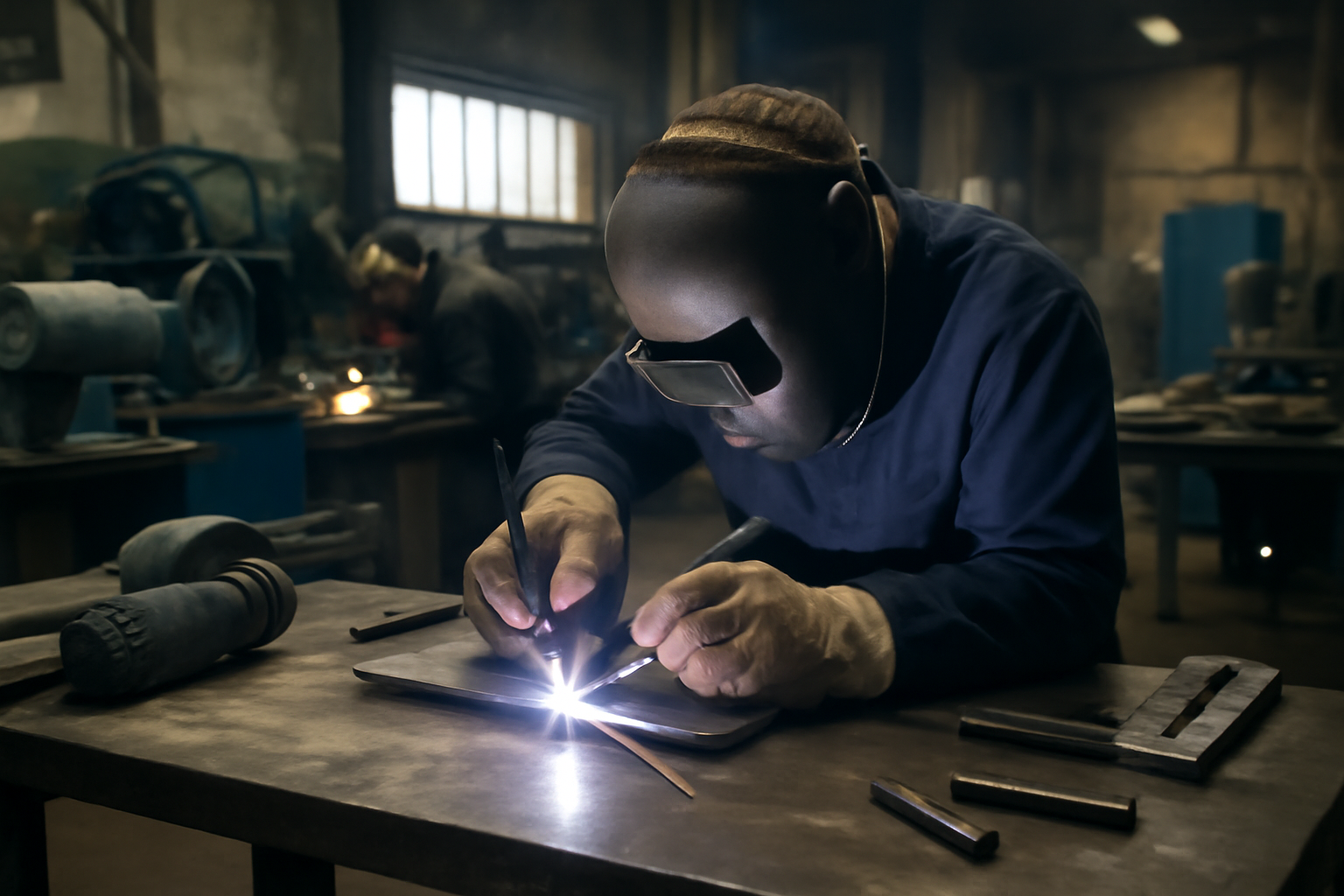
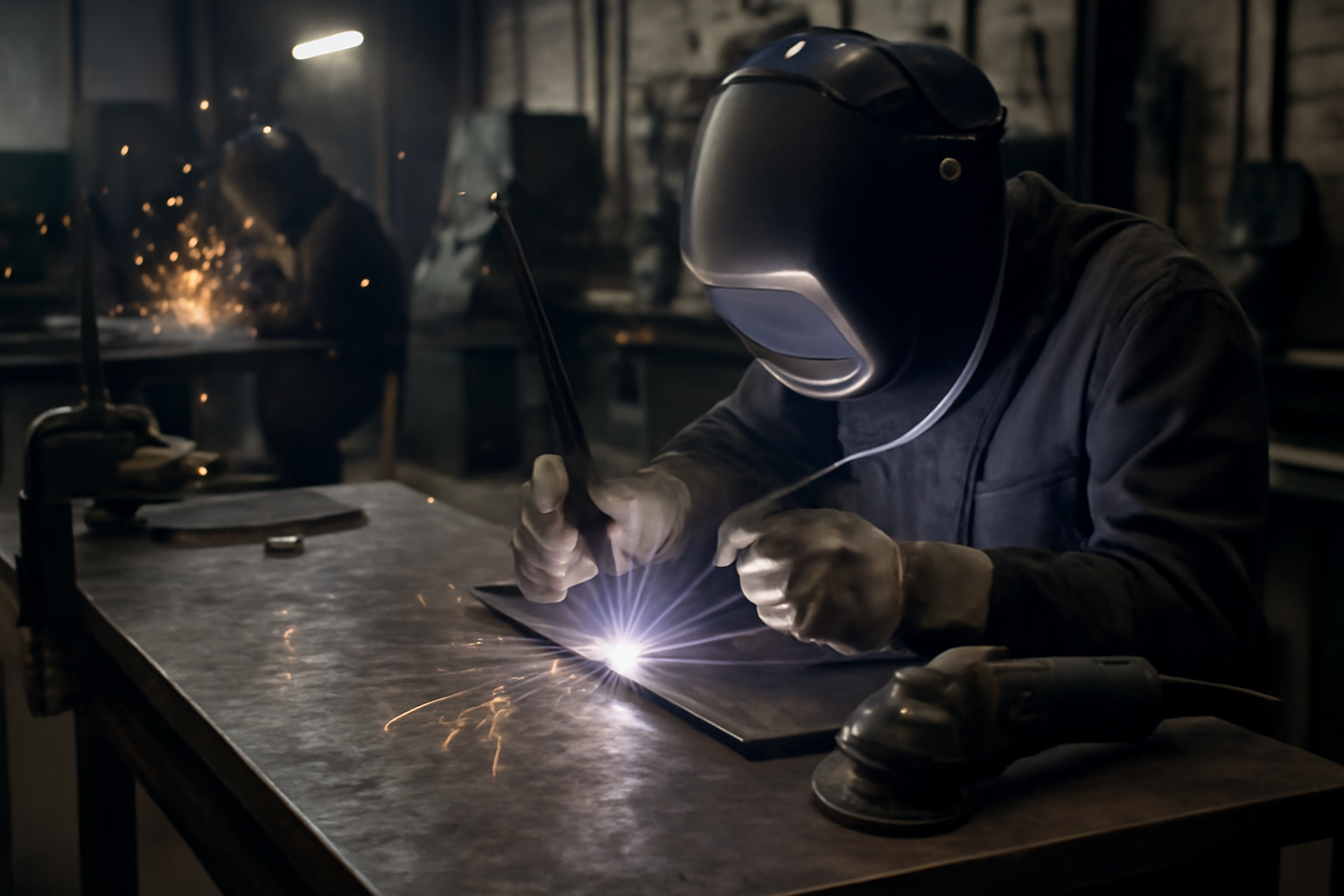
TIG welding is a precise and versatile process that is ideal for a variety of metalworking tasks. Whether you're looking to fabricate intricate components or perform high-quality repairs, understanding the basics of TIG welding is essential. This guide will walk you through the foundational steps, equipment, and techniques needed to get started successfully. fabrication skills.
From selecting the right tools to mastering the technique, you'll find practical information that addresses common challenges faced by beginners. Let's dive into the essentials of TIG welding and help you build a solid foundation for your projects.
Step 1: Gather the Essential Equipment
Before you start TIG welding, it's crucial to have the right equipment. A basic setup includes a TIG welding machine, appropriate tungsten electrodes, filler material, and protective gear. Here is a breakdown of the items you'll need: Mastering TIG Welder Techniques: Your Comprehensive Guide.
Welding Machine
A dual voltage TIG welder is a great investment for both beginners and experienced welders. Look for a model that suits your power needs and allows for the welding of various materials.
Tungsten Electrodes
Select tungsten electrodes based on your welding needs. For most applications, 2% thoriated tungsten is a popular choice due to its versatility.
Filler Rods
Choose filler rods that match the base metals you will be welding. For instance, ER70S-6 is commonly used for welding mild steel.
Protective Gear
Ensure you have a quality welding helmet with appropriate shading, gloves, and flame-resistant clothing to protect yourself during the welding process.
Step 2: Set Up Your Workspace
A well-organized workspace is vital for effective TIG welding. Follow these guidelines to create a safe and efficient environment:
Work Surface
Use a sturdy workbench that can withstand heat and is free of clutter. Ensure there's adequate ventilation to expel fumes.
Electrical Setup
Connect your dual voltage TIG welder to a suitable power supply, making sure to follow the welding machine specifications provided by the manufacturer.
Tools and Accessories
Keep your welding torch ready with the necessary tungsten and welding torch accessories handy. A clean workspace will facilitate smooth workflow and reduce the risk of accidents.
Step 3: Understand the TIG Welding Technique
Mastering the TIG welding technique is crucial for producing high-quality welds. Here's a breakdown of the key elements:
Arc Control
Learning to control the arc is essential. Practice maintaining a steady arc length; too long can lead to poor penetration, while too short may cause the tungsten to stick.
Filler Metal Addition
Feed the filler rod into the molten pool at the right angle and speed. A smooth addition of filler will help create stronger joints.
Puddle Management
Observe the puddle as you weld, adjusting your technique based on its appearance. A well-formed puddle indicates proper heat and technique.
Step 4: Practice Common Techniques
To build your skills, practice various techniques that are commonly used in TIG welding. Mastery of these techniques will help you gain confidence and precision in your welding projects. Below are some essential techniques to focus on, along with practical tips and common mistakes to avoid.
Butt Joints
Start with simple butt joints to learn how to fuse two pieces of metal together. Focus on maintaining a consistent bead. Here are some steps to effectively practice butt joints:
-
Material Preparation: Clean the edges of the metal pieces thoroughly to remove any rust, paint, or contaminants that can affect the weld quality.
-
Fit-Up: Align the two pieces of metal so that they are flush against each other. Use clamps to hold them in place if necessary.
-
Settings: Set your TIG welder to the appropriate amperage based on the thickness of the metal. A good starting point is 1 amp per 0.001 inches of material thickness.
-
Technique: Begin welding at one end of the joint, using a steady hand to create an even bead. Maintain a travel speed that allows for proper penetration without burning through the material.
Common mistakes to avoid include:
- Inconsistent travel speed, which can lead to uneven beads.
- Insufficient cleaning of the metal surfaces, resulting in contamination.
- Incorrect heat settings, which can either burn through the material or result in weak welds.
Tack Welding
Tack welding is useful for holding pieces in place before completing the final weld. This technique helps in aligning components accurately. Here's how to practice tack welding effectively:
-
Setup: Position the parts you need to tack together. Ensure they are properly aligned and supported.
-
Spot Placement: Apply small tacks at strategic points along the joint to hold the pieces together. Typically, tacks should be placed every few inches.
-
Weld Settings: Use a lower amperage setting than you would for a full weld to prevent warping.
-
Technique: Move quickly between tacks to minimize heat buildup, which can distort the metal.
Be mindful of these common mistakes:
- Overheating the metal, which can lead to warping or distortion.
- Inadequate tack placement, causing pieces to shift during the final welding process.
- Not allowing enough time for the metal to cool between tacks, which can affect overall weld integrity.
Corner Joints
Once comfortable with butt joints, practice corner joints to improve your skills in welding at different angles. Corner joints are often used in frames and structures. Here's how to effectively practice corner joints:
-
Material Preparation: Similar to butt joints, clean the edges and ensure proper fit-up of the two pieces forming the corner.
-
Joint Configuration: Position the two pieces at a 90-degree angle. Use clamps or fixtures to hold them securely in place.
-
Welding Technique: Start at the top of the corner and move downwards. Maintain a consistent angle with your torch to ensure even penetration.
-
Travel Speed: Adjust your speed based on the thickness of the material and the width of the joint, ensuring you don't create gaps.
Common mistakes to avoid when practicing corner joints include:
- Improper alignment, which can lead to uneven welds.
- Inconsistent torch angle, resulting in poor penetration or excessive buildup.
- Neglecting to check for proper joint fit-up, which can cause weak points in the weld.
Regularly practicing these techniques will build your confidence and skill in TIG welding. As you become more proficient, consider experimenting with different materials and joint configurations to further enhance your capabilities.
Step 5: Troubleshooting Common Mistakes
Even experienced welders face challenges. Here are some common mistakes and how to fix them:
Excessive Spatter
If you notice excessive spatter, check your settings. Adjust the amperage or travel speed to reduce spatter and create cleaner welds. Here's a step-by-step approach:
-
Check Your Amperage: Ensure that the amperage is appropriate for the thickness of the material being welded. Too high amperage can cause more spatter.
-
Adjust Travel Speed: If you are moving too slowly, the weld puddle may become too large and create more spatter. Aim for a consistent travel speed that matches your amperage settings.
-
Examine Your Shielding Gas: Ensure that the shielding gas flow rate is correct. Insufficient gas can lead to oxidation and spatter. A typical flow rate for TIG welding is between 15-20 CFH.
-
Use the Right Filler Material: Ensure that the filler rod is compatible with the base material. Using the wrong filler can increase spatter.
Common mistakes include incorrect settings and poor technique. Regularly practice adjusting these parameters to gain better control over your welds.
Tungsten Contamination
Contaminated tungsten can lead to poor arc stability. Ensure that the tungsten is clean and free from contamination before starting a weld. Follow these steps to prevent contamination:
-
Inspect the Tungsten: Before starting, visually inspect the tungsten for any signs of contamination, such as discoloration or burn marks.
-
Clean the Tungsten: Use a dedicated tungsten grinder or a fine file to clean the end of the tungsten. Avoid using any materials that could leave residue.
-
Check Your Work Area: Make sure your work area is free from oils, dust, or other contaminants that could transfer to the tungsten during welding.
-
Practice Proper Handling: Always handle the tungsten with gloves or clean tools to prevent oils from your hands from contaminating it.
Common mistakes include touching the tungsten with bare hands or allowing it to come into contact with contaminated surfaces. Regular maintenance of your tungsten will significantly improve arc stability.
Inconsistent Bead Appearance
If your bead is inconsistent, focus on maintaining a steady hand and a uniform travel speed. Here's how to improve your bead appearance:
-
Practice Steady Hand Movement: Set up a practice piece and focus on moving the torch in a straight line. Use a guide or fixture if necessary to help maintain a consistent path.
-
Maintain Uniform Travel Speed: Use a metronome or a timer to practice maintaining a consistent speed. Start slow and gradually increase your speed as you become more comfortable.
-
Control the Heat Input: If the bead is too wide or too narrow, adjust your amperage accordingly. Higher amperage can widen the bead, while lower amperage can narrow it.
-
Inspect Your Technique: Record yourself while welding to identify areas where your technique may be lacking. Look for jerky movements or inconsistent speed.
Common mistakes include varying travel speed and poor hand control. Continuous practice and conscious adjustments will lead to a more consistent bead appearance.
Step 6: Review and Refine Your Skills
As you gain more experience, take time to review your work critically. Ask for feedback from more experienced welders or evaluate your welds against standards. Continuous improvement is key to mastering effective welding approaches.
Self-Evaluation Techniques
One of the most effective ways to refine your skills is through self-evaluation. Here are some techniques you can use:
-
Visual Inspection: After completing a weld, take a close look at the bead. Check for uniformity in width and height, and look for any signs of defects such as cracks, porosity, or undercutting. A good weld should have a consistent appearance and should not show excessive spatter.
-
Use a Gauge: Invest in a weld gauge to measure the width and penetration of your welds. This tool can help you ensure that your welds meet the necessary specifications and standards.
-
Record Keeping: Maintain a welding log where you document each project, including the materials used, settings on your machine, and any challenges faced. Reviewing this log can help identify patterns in your work and areas for improvement.
Seeking Feedback
Feedback from experienced welders can provide invaluable insights. Here are some strategies for seeking constructive criticism:
-
Peer Review: Join a local welding club or online forum where you can share photos of your work and receive feedback. Engaging with a community can provide different perspectives and suggestions for improvement.
-
Mentorship: If possible, find a mentor who can observe your welding technique and offer personalized advice. A mentor can point out specific areas where you can improve and provide tips based on their own experiences.
-
Workshops and Classes: Consider attending advanced welding workshops or classes. These sessions often include hands-on practice and immediate feedback from instructors.
Setting Improvement Goals
To effectively refine your skills, set specific, measurable goals. Here are some examples of goals you might consider:
-
Technique Improvement: Aim to master a new welding technique, such as stringer beads or weave patterns, within a set timeframe.
-
Material Proficiency: Challenge yourself to weld different materials, such as aluminum, stainless steel, or cast iron, and track your progress.
-
Speed and Efficiency: Work on increasing your welding speed without sacrificing quality. Set a target for how many inches of weld you can complete in a specific time frame.
Common Mistakes to Avoid
As you review and refine your skills, be aware of common pitfalls:
-
Ignoring Safety: Always prioritize safety. Review your practices regularly to ensure you are using the correct safety gear and following proper protocols.
-
Neglecting Equipment Maintenance: Regularly check and maintain your welding equipment. This includes cleaning your torch, inspecting cables, and replacing worn-out parts to ensure optimal performance.
-
Rushing the Process: It's easy to become impatient and rush through a project. Take your time to ensure each weld is done correctly before moving on to the next step.
Continuous Learning
Welding technology and techniques are always evolving. Stay updated by:
-
Reading Industry Publications: Subscribe to welding magazines and online resources to learn about new techniques, equipment, and industry standards.
-
Watching Tutorials: Utilize online platforms to watch welding tutorials and demonstrations. Observing different styles can inspire new approaches to your work.
-
Experimenting: Don't hesitate to experiment with different settings, materials, and techniques. This hands-on approach will deepen your understanding and enhance your skills.
By implementing these strategies, you can effectively review and refine your TIG welding skills, leading to improved performance and greater confidence in your work.
Step 7: Explore Advanced Techniques and Equipment
Once you've grasped the basics, consider exploring more advanced TIG welding techniques and tools. This step is crucial for enhancing your skill set and improving the quality of your welds. By delving into these advanced methods, you can tackle more complex projects and increase your versatility as a welder.
Pulse TIG Welding
This technique allows for better control over heat input, which can be beneficial for thin materials. Pulse TIG welding involves varying the current between a high and low setting, creating a pulsing effect. This method helps to prevent warping and burn-through, especially when working with materials like sheet metal or thin-walled tubing.
-
Benefits: Reduces heat-affected zones, improves arc stability, and enhances penetration control.
-
Application: Ideal for applications such as automotive repairs, art fabrication, and precision welding.
To get started with pulse TIG welding, follow these steps:
- Set up your TIG welder for pulse mode, adjusting the pulse frequency and peak current according to the material thickness.
- Practice on scrap pieces to find the right settings and develop a consistent rhythm.
- Monitor the weld pool closely, adjusting the heat input as necessary to maintain control.
Welding Different Materials
Experiment with welding aluminum or stainless steel, as each material requires specific settings and techniques. Understanding the properties of these materials is essential for achieving strong, clean welds.
-
Aluminum: Requires a higher heat input and often a larger tungsten electrode. Use a pure argon gas shield and consider adding a filler rod for strength.
-
Stainless Steel: Typically welded with a lower heat setting. Use a tri-mix gas (argon, helium, and carbon dioxide) for better results.
To effectively weld different materials, consider the following tips:
- Research the specific welding parameters for each material type, including amperage, gas flow rate, and filler rod selection.
- Practice on scrap pieces to adjust your technique and settings before working on actual projects.
- Keep your work area clean, as contaminants can significantly affect the quality of your welds, especially with aluminum.
Additional Equipment
Look into expanding your welding equipment collection with items such as a gas flow meter or a foot pedal for better control. These tools can enhance your welding experience and improve the precision of your work.
-
Gas Flow Meter: Helps to regulate the flow of shielding gas, ensuring adequate coverage and reducing the risk of contamination.
-
Foot Pedal: Provides hands-free control of the welding current, allowing for more precise heat adjustments during the welding process.
-
Welding Jacket and Gloves: Investing in high-quality protective gear is essential for safety and comfort while welding.
When considering additional equipment, keep in mind the following checklist:
- Assess your current setup and identify which tools will enhance your capabilities.
- Read reviews and seek recommendations from experienced welders to ensure you choose reliable equipment.
- Budget for your purchases, as quality equipment can be an investment that pays off in improved performance.
By exploring these advanced techniques and equipment, you can elevate your TIG welding skills and tackle a wider range of projects with confidence.
Conclusion: Take the Next Step in Your TIG Welding Journey
Now that you have the foundational knowledge and techniques for TIG welding, it's time to get hands-on. Set up your workspace, gather your equipment, and start practicing the techniques outlined in this guide. As you build your skills, you'll find that TIG welding opens up new possibilities in metal fabrication and repair. Embrace the learning process, and don't hesitate to refine your approach as you gain more experience.
To effectively transition from theory to practice, consider following these steps:
1. Setting Up Your Workspace
A well-organized workspace is crucial for effective TIG welding. Here are some key elements to consider:
-
Safety First: Ensure your workspace is equipped with proper ventilation, fire extinguishers, and personal protective equipment (PPE) such as gloves, welding helmets, and long sleeves.
-
Work Surface: Use a sturdy workbench or welding table that can support the weight of your materials. Make sure it is clean and free of any flammable materials.
-
Lighting: Good lighting is essential. Use bright, adjustable lights to illuminate your work area, helping you see the weld pool clearly.
-
Accessibility: Arrange your tools and materials within easy reach to minimize movement while welding.
2. Gathering Your Equipment
Before you start welding, ensure you have all the necessary equipment. Here's a checklist of essential items:
- TIG welder with appropriate settings for your material thickness.
- Tungsten electrodes (choose the right type and size based on your welding needs).
- Filler rods that match the base materials you will be welding.
- Gas supply (typically argon) with a regulator and flow meter.
- Welding helmet with the correct shade for TIG welding.
- Protective gloves and clothing to safeguard against sparks and heat.
- Clamps and fixtures to hold your workpieces securely during welding.
3. Practicing Techniques
Start with simple practice pieces before moving on to more complex projects. Here are some suggested exercises:
-
Stringer Beads: Practice laying down straight beads on flat pieces of metal. Focus on maintaining a consistent travel speed and arc length.
-
Weaving Patterns: Once comfortable with stringer beads, experiment with weaving techniques to create wider welds.
-
Corner Joints: Practice welding corner joints to understand how to manipulate the torch angle and filler rod placement.
-
Butt Joints: Work on butt joints to refine your ability to control heat input and penetration.
4. Common Mistakes to Avoid
As you begin practicing, be aware of these common pitfalls:
-
Incorrect Arc Length: Too long of an arc can lead to poor penetration, while too short can cause the tungsten to stick to the workpiece.
-
Poor Gas Coverage: Inadequate gas flow can result in contamination of the weld. Ensure your gas flow rate is set correctly.
-
Inconsistent Travel Speed: Maintain a steady pace to ensure uniform bead appearance and penetration.
-
Neglecting Cleanliness: Always clean your workpieces before welding to remove any contaminants that could affect the quality of the weld.
5. Continuing Your Education
TIG welding is a skill that improves with practice and knowledge. Consider the following to further your skills:
-
Join a Class: Look for local welding classes or workshops to gain hands-on experience and feedback from instructors.
-
Online Resources: Utilize online tutorials, forums, and videos to learn new techniques and troubleshoot issues.
-
Networking: Engage with other welders in your community or online to share tips, techniques, and experiences.
As you build your skills, you'll find that TIG welding opens up new possibilities in metal fabrication and repair. Embrace the learning process, and don't hesitate to refine your approach as you gain more experience. The journey of mastering TIG welding is ongoing, but with dedication and practice, you'll become proficient in this essential fabrication technique.
In short
This post focuses on how to start with TIG welding basics with a practical approach you can apply right away. Built for Enthusiasts / learners / participants (not sellers). You?ll see clear steps, common mistakes, and a simple execution path.
Quick answer
The fastest way to get results with how to start with TIG welding basics is to follow a simple sequence: start with the basics, apply one proven method, measure a small set of signals, then improve one thing at a time. Avoid changing multiple variables at once so you know what worked. Audience-first only. Write like a trusted niche blog: helpful, clear, structured, and genuinely informative. Focus on fundamentals, improvement, terminology, culture, people, gear, and common scenarios in the niche. Do NOT write seller/operator content (no "Shopify apps", no "optimize your store", no "collections setup", no "increase conversion rate", no SEO/ads talk). Avoid aggressive CTAs and "buy now" language. If products are mentioned, keep it subtle and contextual (examples, use-cases, what to look for), never pushy.
Context and related concepts
Fundamentals ? Beginner basics ? Terminology ? Glossary ? Skills ? Techniques ? Best practices ? Common mistakes ? Gear / tools / materials ? Options ? Use-cases ? Tradeoffs ? Culture ? Lifestyle ? Community norms ? History ? People / creators / athletes ? Events ? Trends ? Care / maintenance ? Safety ? Sizing / fit (if relevant)
FabCore X Supply: FabCore X Supply is an online distributor of industrial metalworking and fabrication equipment. We sell equipment used in welding, cutting, forming, and machining including TIG welders, MIG welders, plasma cutters, bandsaws, cold saws, drill presses, lathes, belt grinders, ironworkers, tube benders, metal shears, press brakes, shop presses, arbor presses, notchers, track torches, welding tables, welding carts, welding helmets, PAPR welding respirators, rod ovens, and metal fabrication accessories. We are an authorized retailer for manufacturers including Arc Star, Blue Demon, Blue Star, HTP America, Laguna Tools, Metal Man, Metalpro, Optrel, Sumner, TIG Star, and WeldPro.